UNAMA has documented at least 443 arbitrary arrests and detentions in Afghanistan between July and September 2026, alongside 97 incidents of ill-treatment….reports Asian Lite News Desk
The United Nations Assistance Mission in Afghanistan (UNAMA) has documented at least 443 arbitrary arrests and detentions and 97 incidents of ill-treatment involving Afghan women and men between July and September 2026. Its latest human rights update also records restrictions on women’s movement and education, media suspensions, civilian casualties in cross-border incidents and arrests involving former government personnel.
The report, covering 1 July to 30 September 2026, draws on monitoring by UNAMA’s Human Rights Service under its mandate from the United Nations Security Council. It documents a range of concerns involving the de facto Taliban authorities and other security actors in Afghanistan.
Afghanistan human rights report highlights restrictions on women
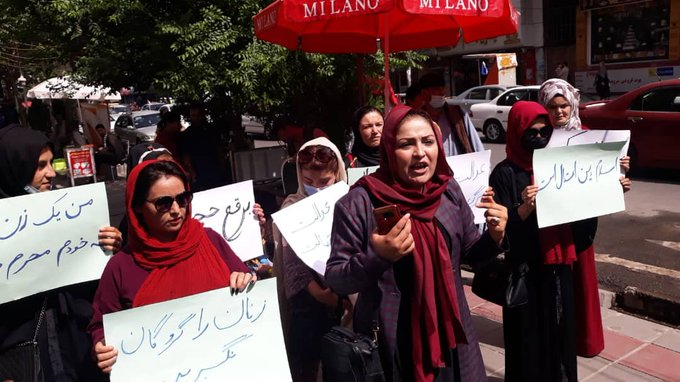
September marked five years since girls were barred from formal education beyond grade six. Women and girls have also been prohibited from attending higher education since December 2022.
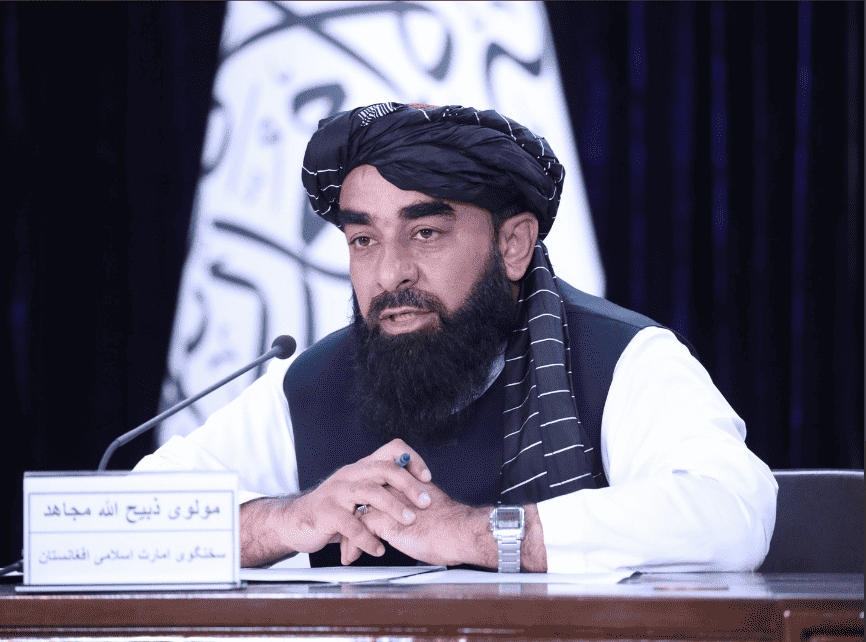
In a media interview published on 25 August, Taliban spokesperson Zabihullah Mujahid said that women’s education faced “problems and considerations from Sharia perspective”, adding that scholars needed to reach a unified view on the issue.
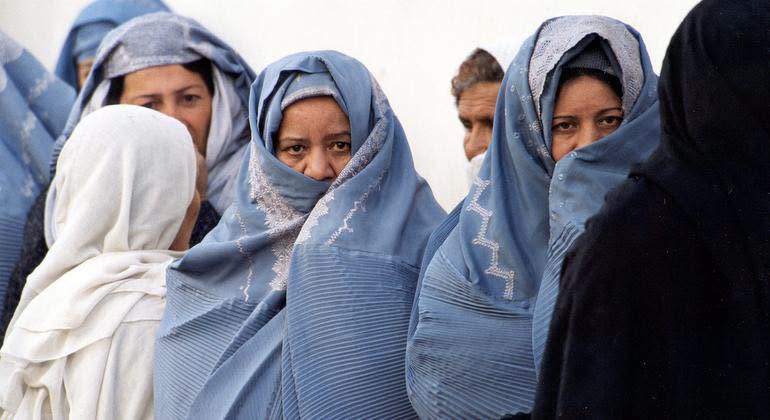
UNAMA documented more than 50 instances during the three-month reporting period in which inspectors from the de facto Ministry for the Propagation of Virtue and Prevention of Vice arrested, detained or cautioned women accused of violating hijab requirements. Most of the arrests took place in Herat, where the chador remains the required form of Islamic hijab.
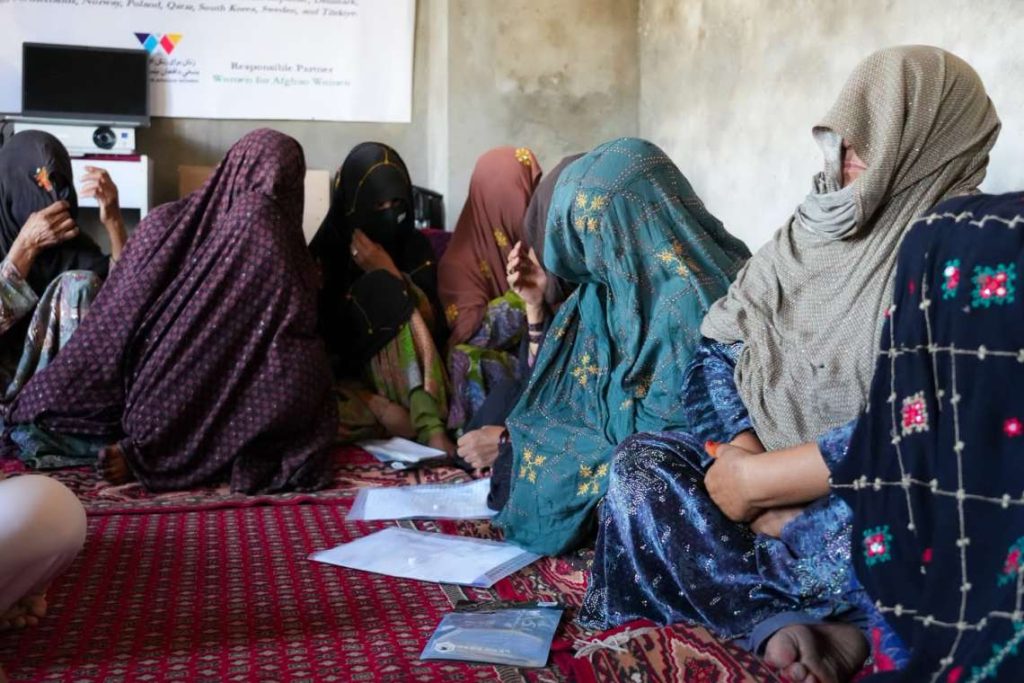
The report includes cases involving a 13-year-old girl who was detained overnight over compliance with hijab instructions and released the following day when her father collected her. In another incident, inspectors detained 10 women at a market in Herat on 10 July because they were not wearing chadors. They were held until their guardians and local representatives provided assurances that they would comply in future.
Also Read: Blaming Afghanistan Solves Nothing, Taliban Hits Back at Pakistan
Restrictions also affected women’s freedom of movement. UNAMA documented instances in which women were prevented from entering health facilities and markets because they were not accompanied by a mahram, a male guardian. In Parwan province, inspectors stopped two women from entering a health facility on 8 August because they were unaccompanied.
The report also cites official statements urging women to remain at home and obey their husbands. On 27 September, the spokesperson for the de facto Ministry for the Propagation of Virtue and Prevention of Vice described failure to observe hijab as a serious crime.
Civilian casualties in cross-border incidents
UNAMA recorded 33 civilian casualties, including 13 deaths and 20 injuries, resulting from cross-border incidents between 1 July and 30 September.
The report states that, from 1 October 2025 to 30 September 2026, such incidents killed 512 civilians and injured 1,236.
Among the incidents documented was an airstrike by Pakistani military forces in Kunar province on the night of 30 September into 1 October. The strike hit a house in Shiltan district, killing six civilians, including three girls, two boys and a man, and injuring three others, including two women and a girl.
In Helmand province, another airstrike during the same night struck residential buildings in Garmsir district, killing at least four civilians, including two girls, a boy and a woman, and injuring 12 others. The report also records the killing of a civilian man in Paktika province on 27 September after Pakistani military forces fired at three men walking home.
UNAMA further documented four civilian injuries caused by pressure-plate improvised explosive devices planted along the border. Two of the injured were boys aged 10 and 16.
Former officials and media workers face arrests
The report documented at least 14 instances of arbitrary arrest and detention involving former government officials and former members of the Afghan National Defence and Security Forces between July and September. It also recorded at least four killings of former security force members.
UNAMA said former officials and security personnel returning to Afghanistan remained at risk of human rights violations despite a general amnesty announced by the de facto authorities in August 2021.
Media freedom was another area of concern. Several outlets were suspended during the reporting period, sometimes without clear reasons or an established appeals procedure.
Radio Eslah was suspended in Kabul on 27 July over its name, while Lapis Media Centre was suspended on 26 August, allegedly because of links to overseas-based media outlets. Shia-owned Rah-e-Farda TV was suspended on 6 September. Journalists also continued to face arbitrary arrest. One journalist detained in Badakhshan on 5 August over criticism of discriminatory treatment of residents was released the following day, while another journalist arrested in July 2025 remained in custody without a court conviction.
Corporal punishment and restrictions on public life
UNAMA documented judicial corporal punishment against 28 people, including 22 men and six women, during the three-month period. In one case, a court in Ghazni province ordered four men and one woman to receive between 36 and 39 lashes each for offences including theft and extramarital relationships.
The report also recorded 97 incidents of ill-treatment linked to enforcement of rules governing behaviour, including hijab compliance, beard trimming, Western-style haircuts, attendance at congregational prayers and music.
Restrictions affected institutions associated with the Shia community. In September, 28 male staff members of Khatam Al-Nabiyyin University were arrested in Kabul. The university’s operating licence and that of its branch in Ghazni were revoked on 16 September. UNAMA also documented the closure of seven establishments primarily serving the Shia community in western Kabul on 27 September.
The report noted that a Police Law was published in the Official Gazette on 22 August, setting out police duties and powers, including the use of force and treatment of detainees. It also highlighted provisions concerning demonstrations, detention and the use of force.
The de facto Supreme Court announced on 27 August that 4,249 prisoners had been released and 4,050 had received sentence reductions to mark the fifth anniversary of the Taliban takeover in August 2021.
UNAMA’s update presents a broad account of human rights developments during the quarter, covering restrictions on women, treatment of detainees, media freedom, civilian casualties and the enforcement of regulations by the de facto authorities.