The US has sanctioned banks and business networks linked to Iran across Iraq, Hong Kong and Dubai, while targeting a Cuban bank in a fresh financial crackdown….reports Asian Lite News Desk
The United States has imposed fresh sanctions on financial institutions and business networks linked to Iran across Iraq, Hong Kong, Dubai and other jurisdictions, intensifying the Trump administration’s economic pressure on Tehran. The measures target alleged oil revenue intermediaries, foreign-exchange networks and companies accused of helping Iran move money through international financial channels.
The US Treasury Department said the networks had moved “hundreds of millions of dollars through shell companies and foreign-exchange specialists across the Middle East and Asia”. The latest measures form part of Operation Economic Outcast, Washington’s campaign to restrict Iran’s access to international finance and revenue streams.
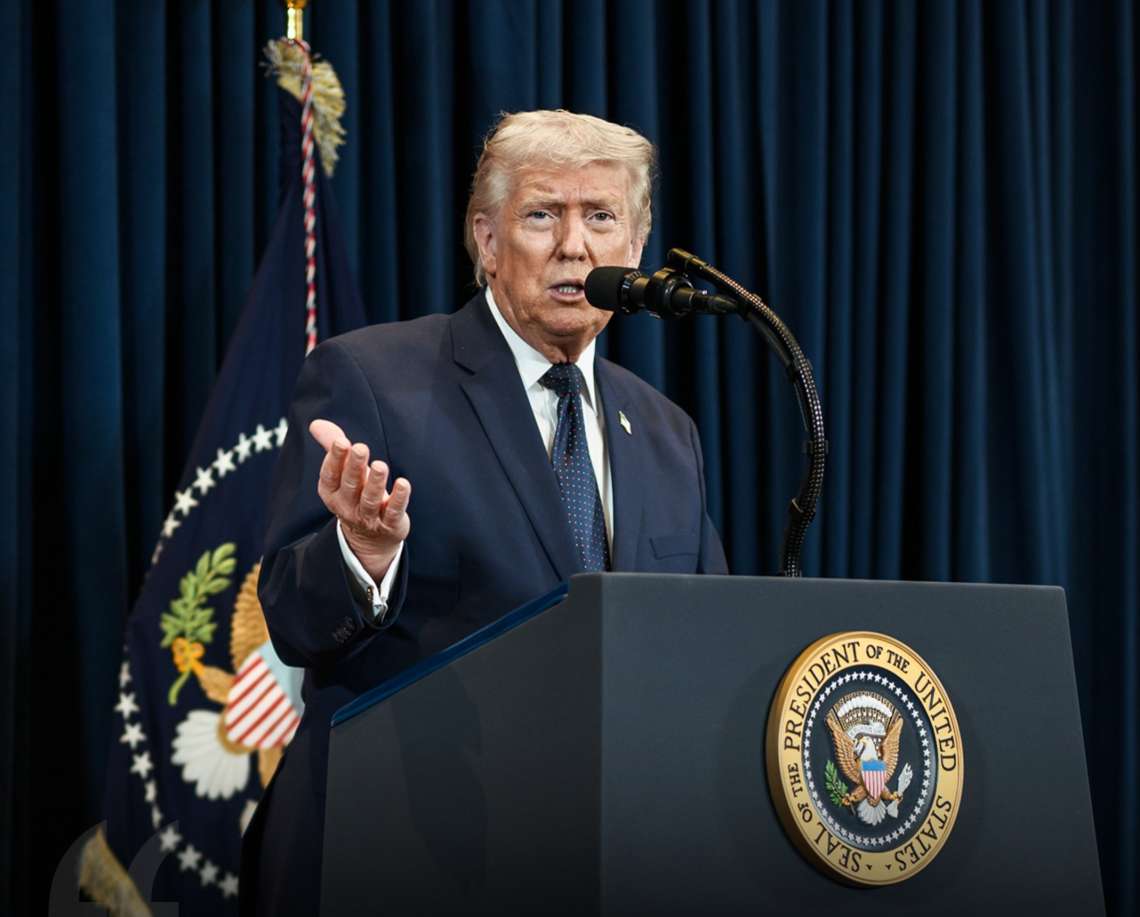
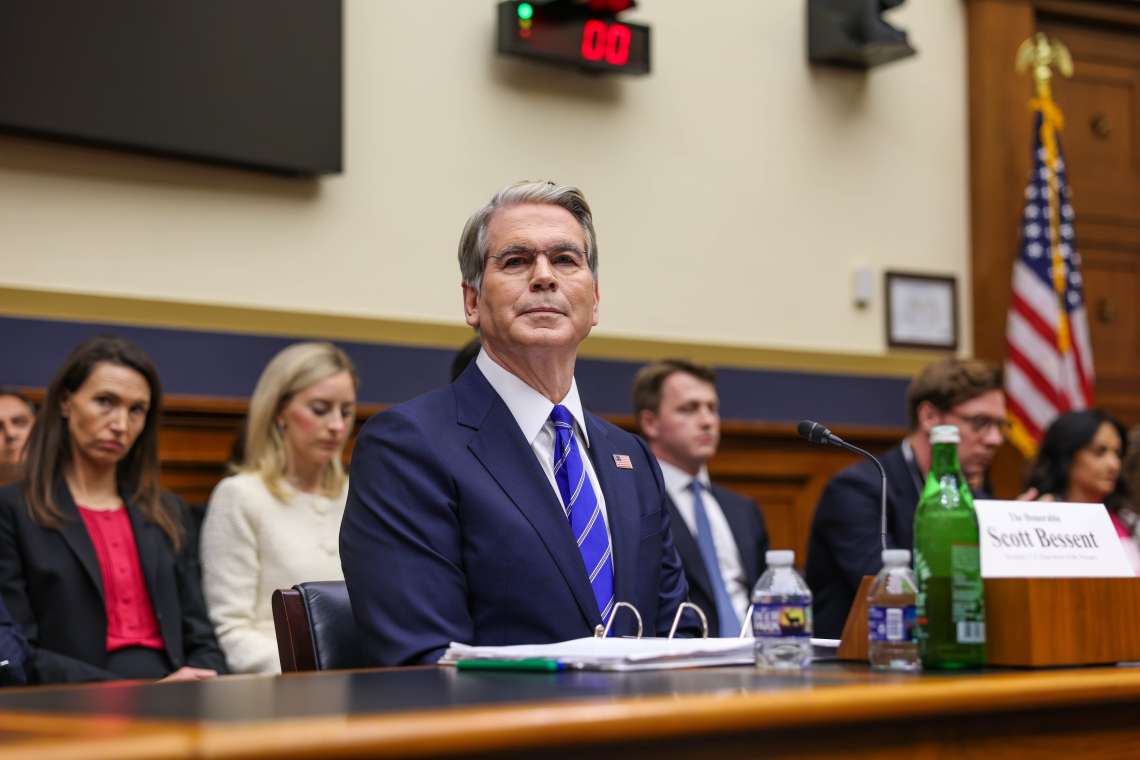
“The noose is tightening around Iran’s economy, and not even Iran’s so-called allies can save it,” Treasury Secretary Scott Bessent said.
“The Department of the Treasury will not relent until the Iranian regime’s coffers are empty and every remaining financial lifeline sustaining its war machine has been severed,” he added.

Dubai-based oil intermediary targeted
Among those sanctioned was Sayyed Ruhollah Razavi, whom the Treasury described as one of the Iranian government’s leading oil trustees responsible for selling oil and repatriating the proceeds.
Razavi, who lives in Dubai, was responsible for “shipping millions of barrels of oil overseas each month” on behalf of the National Iranian Oil Company before the US blockade on Iranian oil exports, the department said.
According to the Treasury, the networks transferred funds through Hong Kong to the United Arab Emirates and Türkiye, where the money was allegedly converted into gold and cash before being smuggled to Iran.
Also Read: US Asian Caucus Blames Trump for Anti-Indian Hate
The department said Mahan Air flights were used to transport funds to Iran and groups it described as Iranian terrorist proxies operating internationally.
Hong Kong-based Elitesphere Trading Co., Limited was also designated over allegations that it moved funds for an affiliate of Iran’s Shahr Bank through brokers and front companies.
Sadegh Bavi, an Iranian-Dominican national based in Dubai whom the Treasury described as a facilitator for Iran’s Islamic Revolutionary Guard Corps-Qods Force (IRGC-QF), was among those targeted.
Iraqi and Iranian banks face sanctions
The Treasury also sanctioned Iraq-based International Development Bank for Investment and Finance, accusing it of providing “U.S. dollar access for Iran”.
Two Iranian offshore banks, Jazireh International Bank Company and Chabahar International Bank Overseas Company, were also designated as part of the action.
The measures seek to restrict financial channels that Washington says allow Tehran to move funds internationally despite existing sanctions.
The Treasury warned that “engaging in certain transactions involving the persons designated today may risk the imposition of secondary sanctions on participating foreign financial institutions”.
Secondary sanctions can expose foreign financial institutions to penalties for certain dealings involving sanctioned entities, potentially discouraging banks and businesses from maintaining those relationships.
US targets Cuban state-owned bank
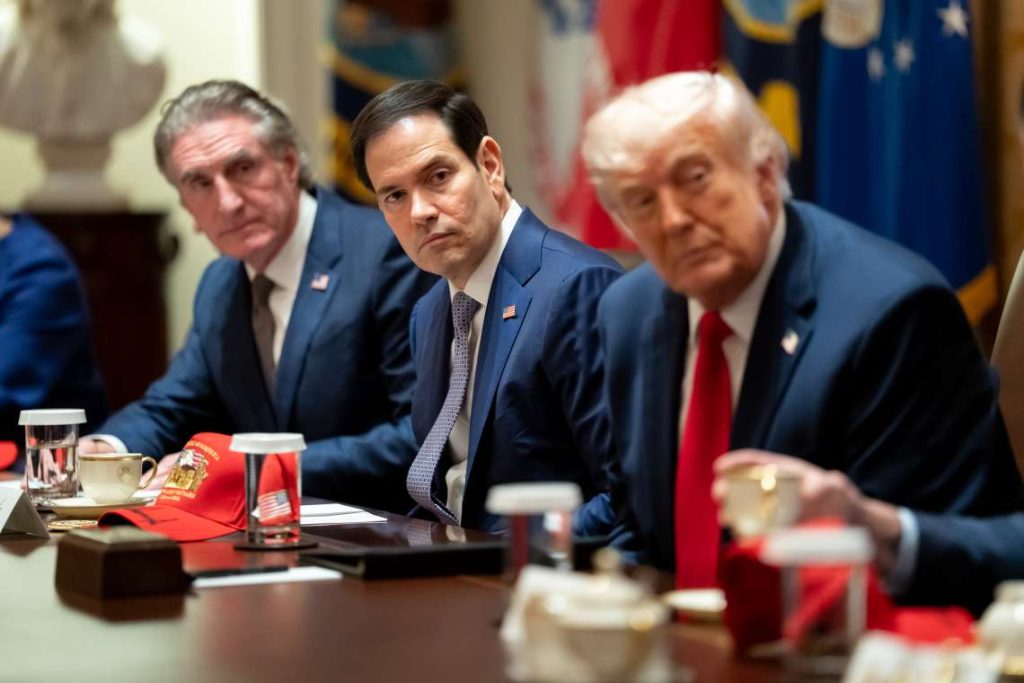
In a separate action, US Secretary of State Marco Rubio sanctioned Cuba’s state-owned Banco Internacional de Comercio S.A. (BICSA), accusing it of providing services to Iran’s sanctioned Karafarin Bank since at least 2022.
Rubio said the Cuban government had allowed the country to serve as a base for actors hostile to US interests.
“For too long, Communist Cuba has been allowed to operate as an outpost for malign actors and terror groups – including the Islamic Republic of Iran, the world’s number one state sponsor of terrorism – to target the United States,” Rubio said.
“Let me be clear: the Trump Administration will not tolerate a rogue state hosting hostile foreign military, intelligence and terror operations less than a hundred miles from the American homeland,” he added.
The action against BICSA broadens the administration’s pressure beyond the financial networks directly linked to Iran, targeting an institution Washington says has maintained financial ties with a sanctioned Iranian bank.
Treasury flags religious charity networks
Separately, the Treasury Department’s Financial Crimes Enforcement Network issued an alert urging banks to report potential Iranian misuse of religious charity networks, including the alleged diversion of religious contributions known as khums.
Khums is a religious contribution observed in Shia Islam. The alert focuses on potential financial abuse involving religious institutions and the movement of funds that authorities suspect could support activities linked to the Iranian government.
“Under President Trump’s leadership, Treasury will not allow the Iranian regime to continue its long history of abusing religious institutions to line the pockets of its elites and fund terrorism,” Bessent said.
The alert adds another layer to Washington’s efforts to identify and disrupt financial channels it believes Tehran could use to circumvent sanctions.
Operation Economic Outcast expands
Bessent announced Operation Economic Outcast on August 24 as part of the administration’s broader campaign to restrict Iran’s economic resources.
Previous rounds of measures targeted networks linked to Iran’s shadow fleet and procurement activities across the United Arab Emirates, Hong Kong, China and other jurisdictions.
The latest sanctions extend that strategy by focusing on banks, intermediaries and companies that the US says facilitate oil revenue transfers and cross-border financial transactions.
The measures reflect Washington’s continued effort to isolate Iran financially and prevent funds from reaching organisations it considers a threat to US interests. Their wider impact will depend partly on whether foreign banks, businesses and financial intermediaries comply with the restrictions and withdraw from dealings with the designated entities.