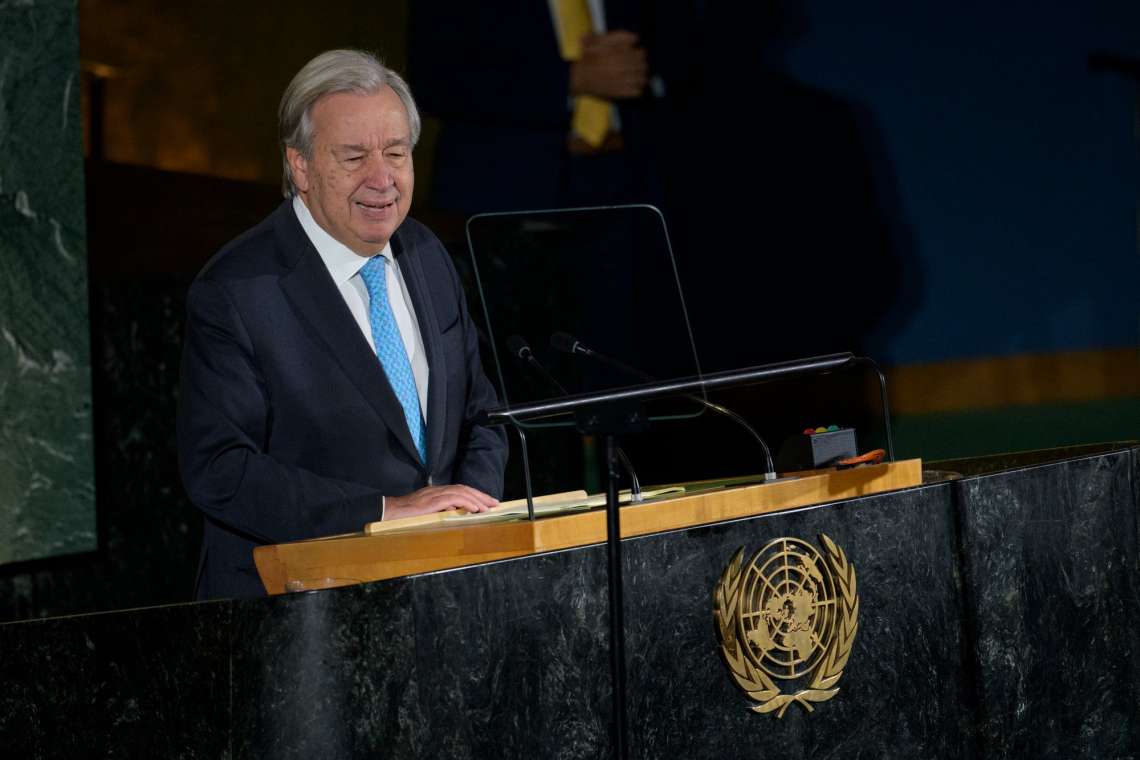
The United Nations has warned that Gaza’s fragile ceasefire is at risk as Palestinian deaths continue and humanitarian conditions worsen. With winter approaching, the UN is urging greater aid access and renewed efforts to prevent a return to war….reports Asian Lite News Desk
The United Nations has warned that the Gaza ceasefire remains extremely fragile, with Israeli military operations continuing to cause Palestinian casualties and humanitarian conditions worsening ahead of winter. Ramiz Alakbarov, the UN Acting Special Coordinator for the Middle East Peace Process, has called for urgent action to expand humanitarian access, accelerate recovery and revive efforts towards a lasting political settlement.
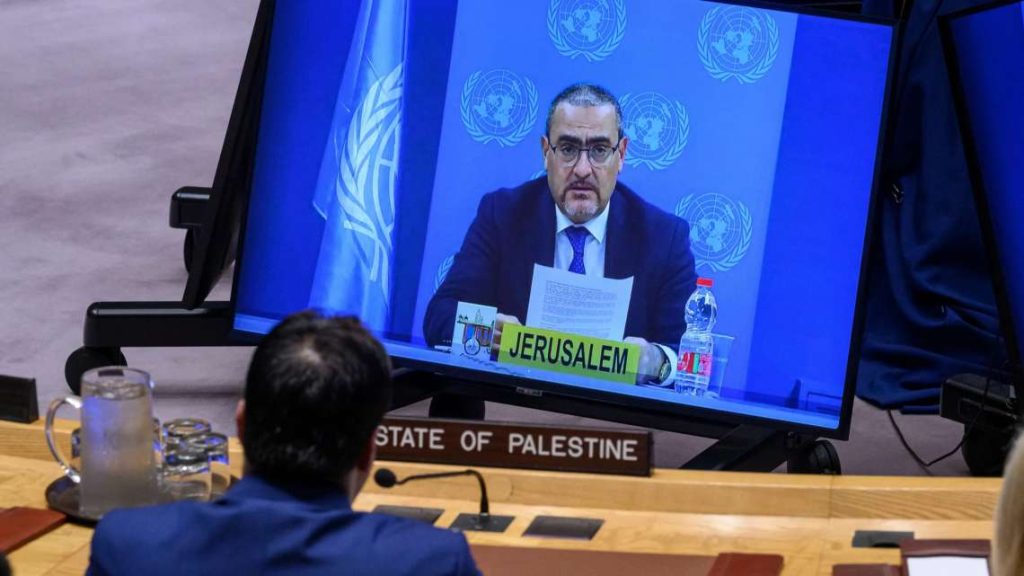
Addressing the UN Security Council, Alakbarov said Palestinians and Israelis needed a credible path to peace rather than short-term solutions, urging the international community to translate its commitments into concrete action.
Why has the UN warned that Gaza’s ceasefire is fragile?
According to figures from Gaza’s Ministry of Health cited by Alakbarov, around 1,500 Palestinians, including more than 320 children and 140 women, had been killed in Israeli military operations since the ceasefire came into effect.
During a visit to Gaza on Sunday, Alakbarov said he witnessed the insecurity faced by Palestinians living near the Yellow Line, which separates areas under different levels of military control. In Shuja’iyya, he met families from a community of around 950 households who continued to live in fear despite the ceasefire.
Women told him they had not experienced 40 consecutive minutes without shooting over their land in a year, he said.
Alakbarov warned that the situation could deteriorate further unless the ceasefire became the basis for a more durable political settlement. He said the risk of a return to war had become increasingly serious.
How severe is Gaza’s humanitarian crisis ahead of winter?
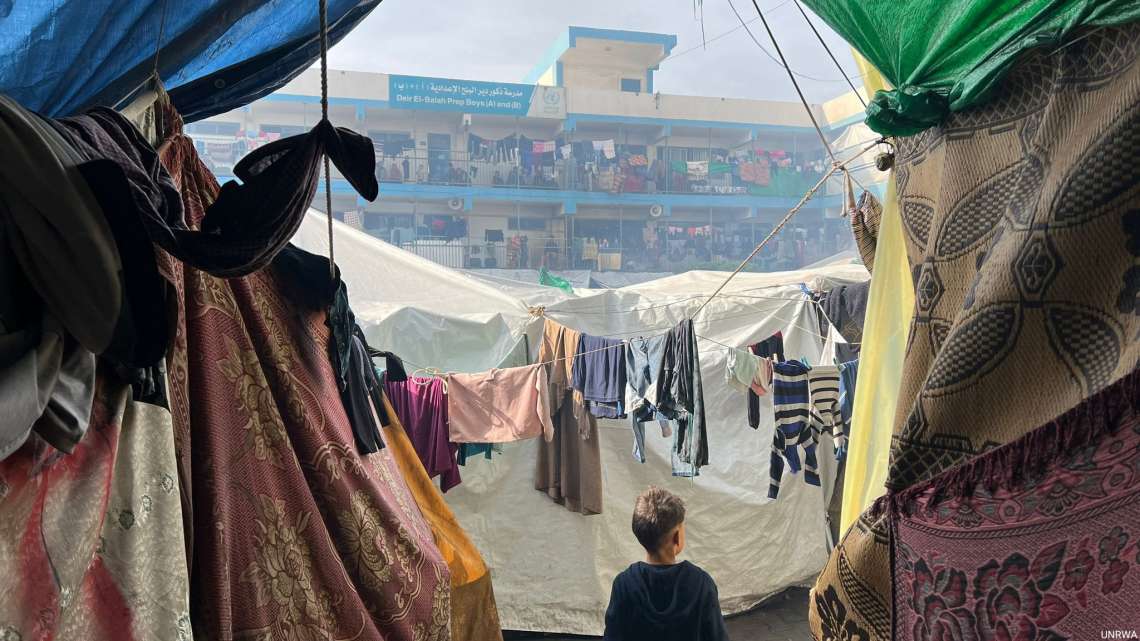
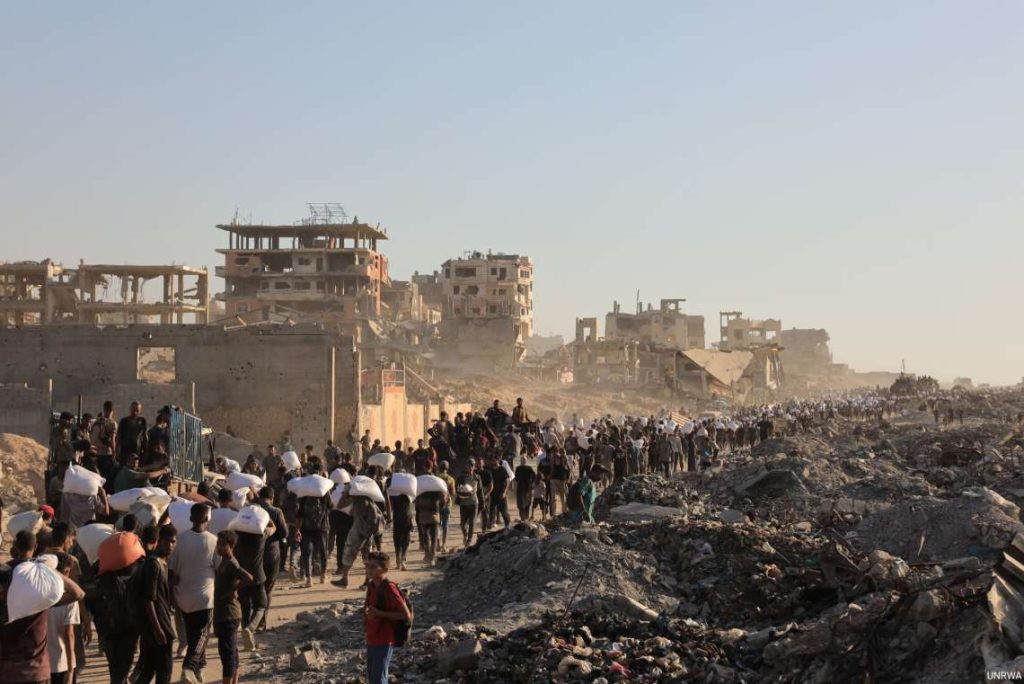
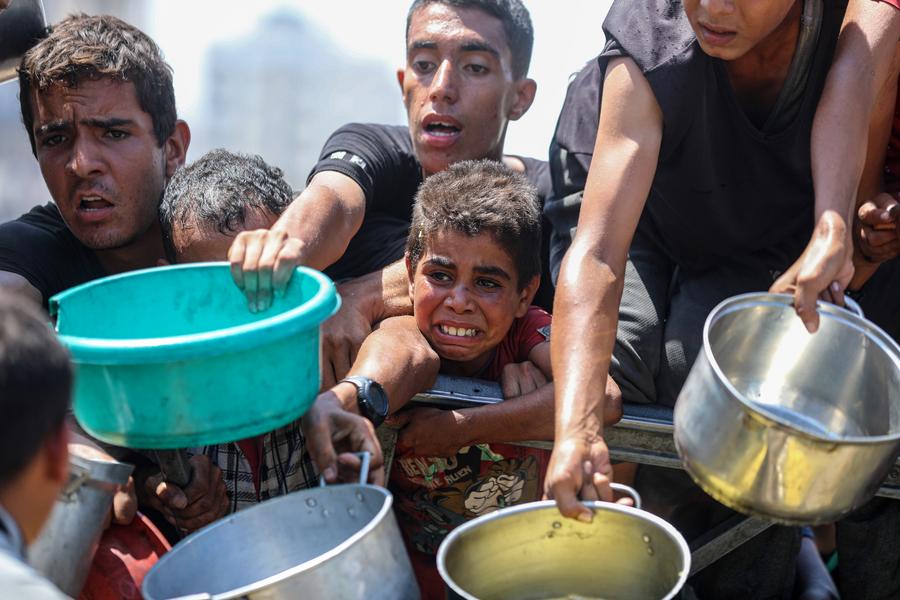
Families across Gaza remain in damaged buildings, overcrowded displacement sites and worn-out tents, while water and sanitation systems have suffered extensive damage. Alakbarov warned that inadequate shelter and a lack of privacy were increasing protection risks for women and girls, including exposure to exploitation and abuse.
With winter approaching, an estimated 950,000 people are living in areas at medium or high risk of flooding. More than 4,000 buildings being used as shelters are also at risk of collapse.
Alakbarov said humanitarian workers were trying to move people out of unsafe buildings, but the shortage of alternatives often left families with little choice beyond living in tents.
Also Read: Netanyahu, Mamdani trade blows over Gaza
He described the difficult decisions facing families forced to choose between leaving homes they had returned to and remaining in buildings that could collapse.
The UN official also highlighted restrictions on essential equipment, spare parts, engine oil and other supplies, saying these continued to obstruct humanitarian operations and reconstruction efforts. He warned that severe winter storms and flooding could further worsen conditions.
What is the UN demanding to improve aid access in Gaza?
Alakbarov called for expanded and predictable humanitarian access, the removal of restrictions on critical items classified by Israel as dual-use goods, and greater resources to prepare for winter.
He also urged improvements in commercial activity and operational conditions, saying humanitarian personnel and commercial actors must be protected from coercion.
The UN official said 564,000 children had been enrolled in temporary learning spaces, describing education as a source of hope amid the devastation. He thanked UNICEF and education partners for helping children continue learning despite the conditions.
Alakbarov stressed that emergency assistance alone would not be enough to rebuild Gaza, calling for a coordinated and transparent aid framework under Palestinian leadership. He said the independence and role of the UN-led humanitarian system must be respected throughout the recovery process.
What does the UN plan propose for Gaza’s future?
Alakbarov urged the full implementation of UN Security Council Resolution 2803 (2025) and the Comprehensive Plan to End the Gaza Conflict.
The plan includes the disarmament of Hamas and other armed groups, the withdrawal of Israeli forces from Gaza and the deployment of an International Stabilization Force.
He said the National Committee for the Administration of Gaza must be allowed to assume its transitional governance responsibilities in coordination with the Palestinian Authority and other partners. Civil society groups, including women’s and youth organisations, should also be enabled to contribute to recovery.
Alakbarov added that arrangements should support the reunification of Gaza and the West Bank under a single, legitimate Palestinian government, while creating conditions for the private sector to operate effectively.
Why is the situation in the West Bank deteriorating?
Turning to the West Bank, including East Jerusalem, Alakbarov warned that the situation was deteriorating amid Israeli military operations, settler violence, Palestinian attacks against Israelis, displacement and movement restrictions.
He said settler attacks against Palestinians and their property continued at high levels, including incidents targeting the annual olive harvest.
Israeli authorities must do more to protect Palestinian communities, ensure access to agricultural land and hold perpetrators accountable, he said. Palestinian attacks against Israelis must also stop.
Alakbarov also criticised continued settlement expansion. He cited a deadline of 19 October for bids on settlement units in the E1 area, with awards possible after Israel’s 27 October election date, and called on Israel to halt settlement activity in accordance with international law.
When will the next Palestinian elections take place?
Palestinian President Mahmoud Abbas issued a decree on 9 October postponing legislative elections scheduled for 28 November. Legislative and presidential elections are now due to take place together on 11 September 2027.
Alakbarov said the delay had caused frustration among Palestinians who had again been left waiting to elect their representatives.
He stressed that elections were essential to renewing Palestinian institutions and fulfilling democratic aspirations. The United Nations would continue to support the Palestinian Central Election Commission with technical preparations, as requested.
What is the UN calling for to achieve a two-State solution?
Concluding his address, Alakbarov warned that frustration in Gaza was growing and that the risk of a return to war had become increasingly serious. He said continued inaction could entrench the current situation and make eventual reconstruction more difficult.
He urged the international community to turn its support for a two-State solution into coordinated action, drawing on Security Council Resolution 2803, the Comprehensive Plan, the New York Declaration and the Global Alliance.
Alakbarov said the goal must remain two states, Israel and Palestine, living side by side in peace and security, with Jerusalem serving as the capital of both states. He also stressed that the occupation across the Occupied Palestinian Territory must end.