Reliance added that the government’s regulatory process applied equally to domestic and international applicants, noting that Jio’s own satellite services were awaiting clearances…reports Asian Lite News Desk
Reliance Industries has welcomed competition from Elon Musk’s Starlink in India’s satellite communications market, as the space internet company said it was ready to connect Indian users with high-speed internet after working with regulators for more than five years.
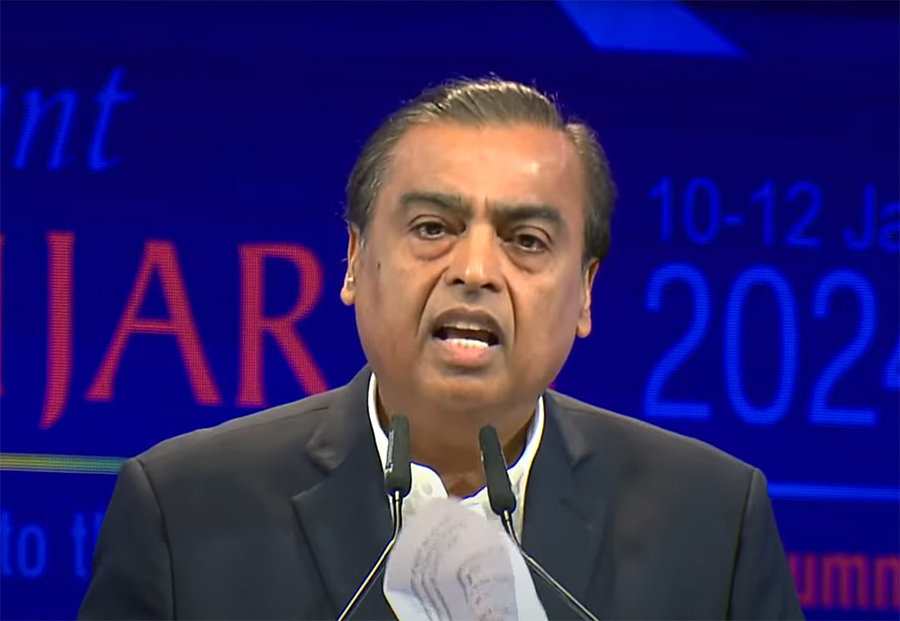
The exchange comes amid a public dispute between Musk and Reliance chairman Mukesh Ambani over Starlink’s entry into India, with both companies emphasising their readiness to compete in a market where regulatory approvals remain crucial.
In a statement on Friday, Reliance said Indian and foreign companies must follow the same rules and procedures.
“We welcome competition in satellite communications, including Starlink,” the company said. “Every player, Jio included, must serve the people of India and abide by the laws and policies of the land.”
Reliance added that the government’s regulatory process applied equally to domestic and international applicants, noting that Jio’s own satellite services were awaiting clearances.
The company also defended its record in the telecom sector, saying it had never feared competition. Jio entered India’s mobile market in 2016 and has since built a customer base of more than 530 million, according to Reliance.
Starlink responded on Saturday, saying it had worked closely with Indian regulators, industry stakeholders and operators for more than five years.
The company said it had established dedicated systems, gateways and other infrastructure within India to serve domestic internet traffic securely, adding that the infrastructure had the necessary government approvals.
“Starlink is ready to connect India with high-speed internet,” the company said.
Musk also responded to Reliance’s statement on X with the words, “Much appreciated.”
Regulatory clearances remain key
Starlink has received a licence to provide satellite communications services in India, but it still requires security-related clearances and other approvals before launching commercial services.
Satellite internet could extend connectivity to remote and underserved areas where laying fibre-optic cables or building conventional mobile infrastructure is difficult. However, the market’s development will depend on regulatory decisions, spectrum arrangements, security requirements and pricing.
The dispute escalated last week when Musk criticised Ambani over Starlink’s prospects in India. In a post on X, he sarcastically addressed the Reliance chairman as the “real boss of India” and accused him of wanting to preserve a monopoly.
Musk questioned whether Starlink would be allowed to compete, framing the issue as a challenge to market access.
Reliance’s response rejected the suggestion that it opposed competition, while arguing that all companies should operate under the same regulatory framework.
ALSO READ-https://asianlite.com/2026/top-news/musk-calls-ambani-prime-minister-in-fresh-starlink-india-row/