Bangladesh has welcomed the International Court of Justice’s landmark judgment finding Myanmar responsible for genocide against the Rohingya in 2017….reports Asian Lite News Desk
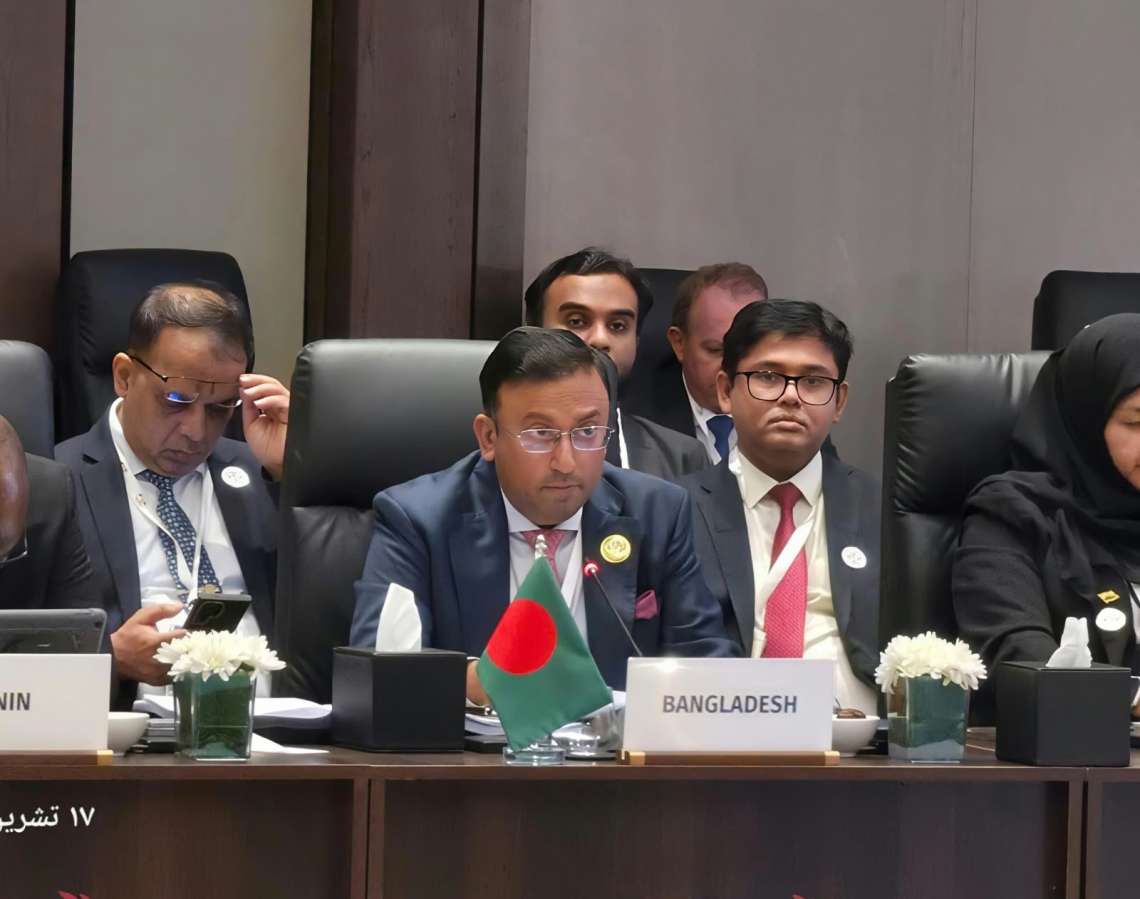
Bangladesh has welcomed a landmark International Court of Justice (ICJ) judgment finding Myanmar responsible for committing genocide against the Rohingya population in northern Rakhine State in 2017, describing the decision as a major milestone in the pursuit of justice and accountability.
In a statement issued on Thursday (November 19), the Bangladesh Ministry of Foreign Affairs said the judgment marked the first time the world’s highest court had found a state to have committed genocide. It called on Myanmar to comply fully with the court’s orders and urged the international community to ensure their effective and timely implementation.
The judgment was delivered in the case brought by The Gambia against Myanmar under the Convention on the Prevention and Punishment of the Crime of Genocide.
According to Bangladesh’s statement, the court found that Myanmar had violated its obligations under the Genocide Convention by failing to prevent acts of genocide committed by individuals acting alongside its security forces, punish those responsible and introduce the necessary legislation to give effect to the convention.
The court also ordered Myanmar to take a series of measures to address the violations and prevent further atrocities.
These include ending any ongoing violations, introducing legislation to fulfil its obligations under the convention and taking immediate and effective steps to investigate individuals reasonably suspected of committing acts contrary to the convention.
Myanmar was also ordered to prosecute and punish those responsible, provide guarantees against the repetition of similar violations and adopt measures to provide restitution to the Rohingya community.
The measures include ensuring the safe, voluntary and dignified return of displaced Rohingya people to their places of residence, reuniting separated families and compensating the community and its members for the damage caused.

Bangladesh described the verdict as a long-awaited step towards securing justice for the Rohingya, adding that Myanmar, as a party to the proceedings, was legally bound to comply with the court’s final judgment and implement its orders.
The government also commended The Gambia for its leadership in pursuing the case over seven years with support from the Organisation of Islamic Cooperation (OIC).
It acknowledged the intervention of 11 countries in the proceedings: Canada, Denmark, France, Germany, the Netherlands, the United Kingdom, the Maldives, Slovenia, the Democratic Republic of the Congo, Belgium and Ireland.
Bangladesh called on the Myanmar government to fulfil its obligations under the judgment promptly, fully and effectively. It also urged the international community to ensure the verdict was implemented without delay.
The statement placed particular emphasis on the repatriation of Rohingya refugees, insisting that their return to their homes in Myanmar remained the only viable solution to the crisis.
Bangladesh said it expected the judgment to serve as a critical catalyst for ensuring the safe, voluntary and dignified return of the Rohingya population.
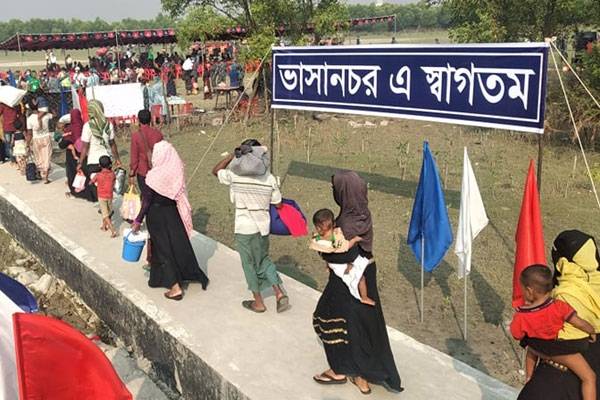
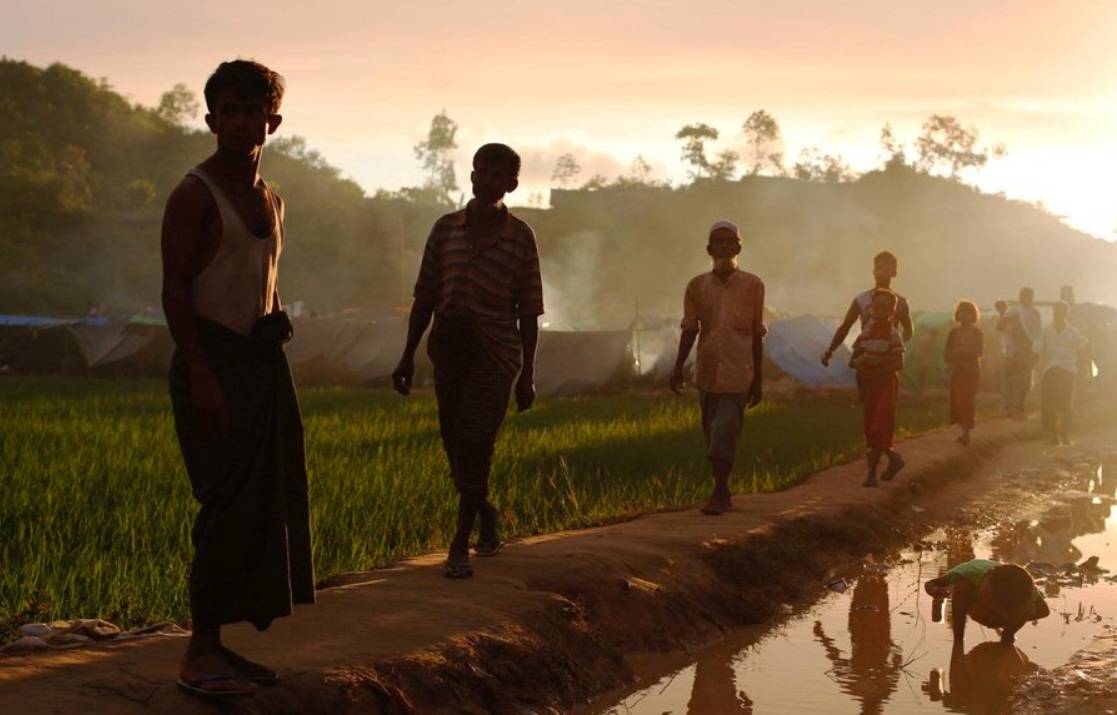
The country also acknowledged the humanitarian assistance provided by the international community, including the United Nations, to displaced Rohingya refugees currently sheltered in Bangladesh.
It urged international partners to continue and increase their support until the refugees could return to Myanmar.
The latest statement comes amid Bangladesh’s continued efforts to secure international support for resolving the Rohingya refugee crisis, which has left large numbers of displaced people dependent on humanitarian assistance.
By welcoming the ICJ judgment, Dhaka has renewed its call for accountability, the protection of Rohingya rights and the implementation of measures that would enable refugees to return home safely.
The government said the verdict should translate into concrete action to ensure justice for the Rohingya and address the consequences of the atrocities committed against the community.