November 6, 2021
5 mins read

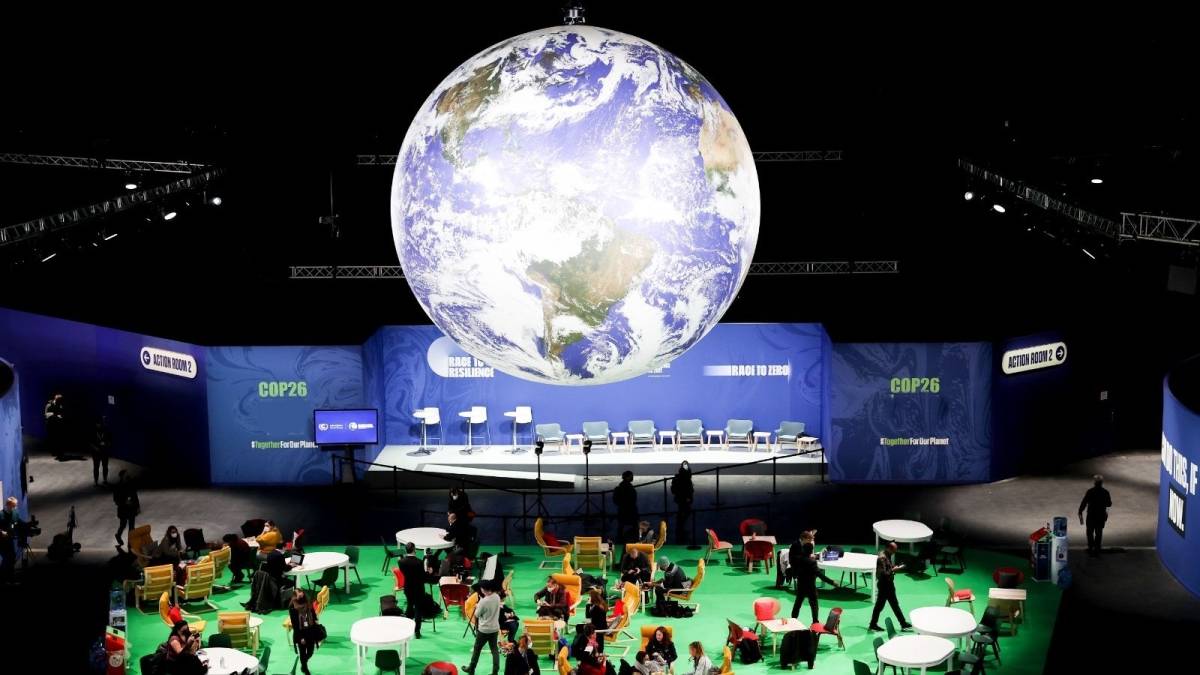
Youth Take Centre Stage at COP26

The day was co-chaired by YOUNGO, the Official Children’s and Youth constituency of the UNFCCC which opened with a session called Unifying for Change: Global Youth voice at COP26, reports Asian Lite News

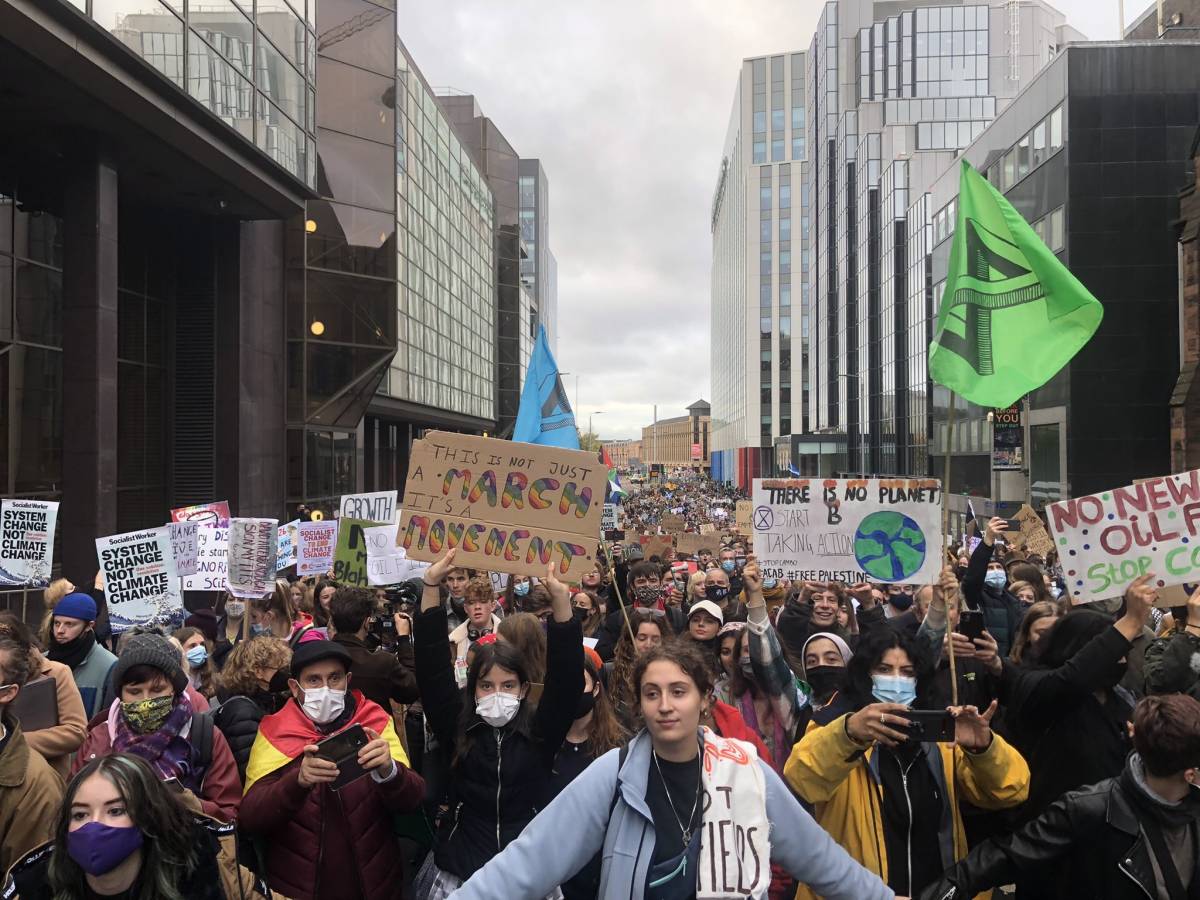
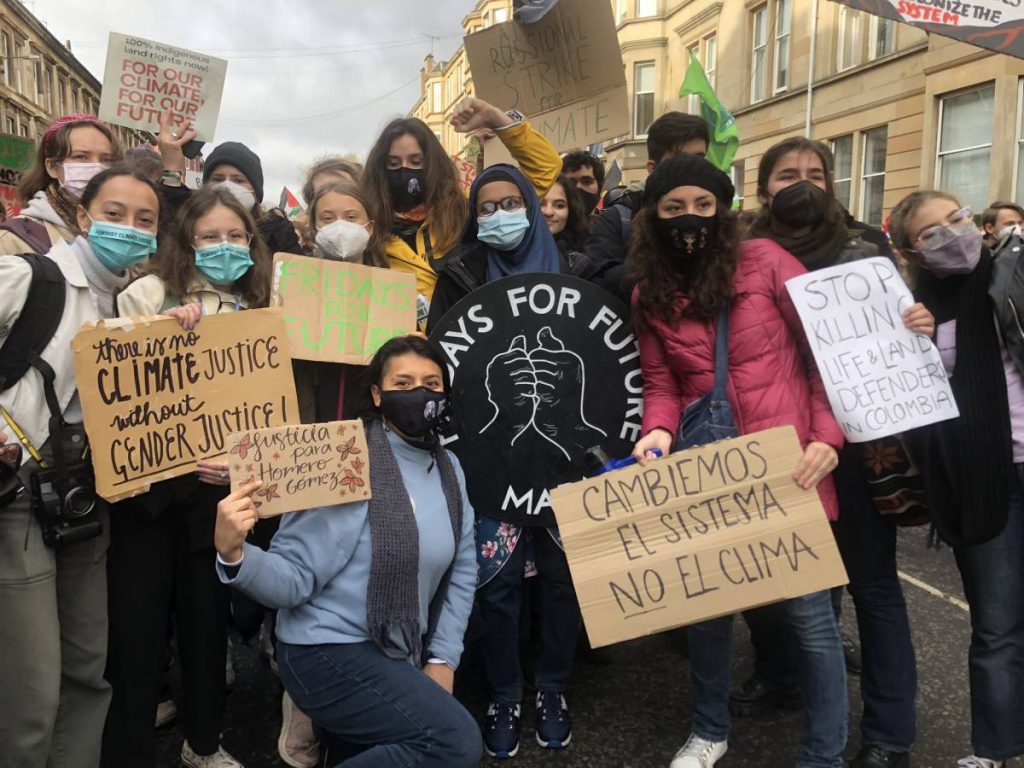
Young climate leaders came together in Glasgow on Friday with negotiators, officials and ministers from across the world, to make their voices heard and demand the action needed to prevent catastrophic climate change in their lifetimes.

Events across COP26 focused on harnessing the expertise of young people and putting their views directly to the negotiators and officials working to agree global action on climate change.

The day was co-chaired by YOUNGO, the Official Children’s and Youth constituency of the UNFCCC which opened with a session called Unifying for Change: Global Youth voice at COP26.

https://twitter.com/stuart_gibson/status/1456623954135822338

YOUNGO also presented the COY16 Global Youth Position statement, representing the views of over 40,000 young climate leaders from across the world. The statement presented their priorities directly to ministers, including action on climate finance, mobility and transportation, through to wildlife protection conservation.

COP26 President Alok Sharma said: “Wherever I have been in the world, I have been struck by the passion and the commitment of young people to climate action. The voices of young people must be heard and reflected in these negotiations here at COP. The actions and scrutiny of young people are key to us keeping 1.5 alive and creating a net-zero future.

“I am also aware of the fear and anxiety many of them feel about the future of the planet, including my own children. That is why we must act on the COY16 Global Youth Position Statement from COY16 and the manifesto from the Milan Youth4Climate Summit.”
COP26

YOUNGO Global Focal Points, Heeta Lakhani and Marie-Claire Graf, said: “YOUNGO has been working closely with the UK. Presidency and the UNFCCC Secretariat to co-design Youth and Public Empowerment Day. We successfully profiled global youth voices through the COY16 Global Youth Statement, and brought together four generations to share best practice examples of achieving climate justice collectively.”

The UK also announced its draft Sustainability and Climate Change strategy to equip and empower young people with the skills they need to drive the future of climate action.

This includes the introduction of a Primary Science Model Curriculum, to include an emphasis on nature and the recognition of species, supporting the youngest pupils to develop conservation skills.

Education ministers from around the world also pledged to do the same with nations such as South Korea, Albania, and Sierra Leone pledging to put climate change at the heart of their curriculum.

The UK and Italy, in partnership with UNESCO, Youth4Climate and Mock COP co-ordinated new global action to equip future generations with the knowledge and skills to create a net-zero world.

As Education Ministers and young people gathered together, over 23 countries put forward impressive national climate education pledges, ranging from decarbonising the school sector to developing school resources.

The event also unveiled a new statement titled ‘Learn for our planet: Act for the climate’ which committed countries to revisit progress made on their pledges in advance of COP27.

The UK also announced a new 85,000 pound research grant to support the Internal Displacement Monitoring Centre to produce better information on the education needs of refugee children and enable a more effective international response.

Thunberg calls COP26 a ā€˜PR campaign’

Swedish activist, Greta Thunberg on Thursday (local time) called the COP26 climate summit a “greenwash campaign, a PR campaign”.
Speaking on the sidelines of the summit meeting, Thunberg said the event was “sort of turning into a greenwash campaign, a PR campaign,” for business leaders and politicians, reported The New York Times (NYT).

She said that the summit has become a venue for world leaders and business executives to pretend they are taking action on climate change without following through and termed the United Nations climate conference in Scotland as a ‘failure’.

Greta Thunberg (Image: Twitter@GretaThunberg)

“Since we are so far from what actually we needed, I think what would be considered a success would be if people realize what a failure this COP is,” Thunberg said.

Thunberg and other activists also spoke about the critical role that young women have played in pressuring world leaders to take action on climate change, reported NYT.

At panel events on Thursday at The New York Times Climate Hub in Glasgow, Thunberg and other young female activists, including Vanessa Nakate and Malala Yousafzai, also spoke about the critical role that young women have played in rallying protesters and pressuring world leaders to take action.

“It is the young people, especially young women who are the voices of the climate movement, and that gives hope to so many people,” Yousafzai said.
Nakate, a 24-year-old climate activist from Uganda and founder of the Africa-based Rise Up Movement, said at the panel discussion that the pledge by leaders of the 20 largest economies to “pursue efforts” to keep the average global temperature rise to 1.5 degrees Celsius did not go far enough.
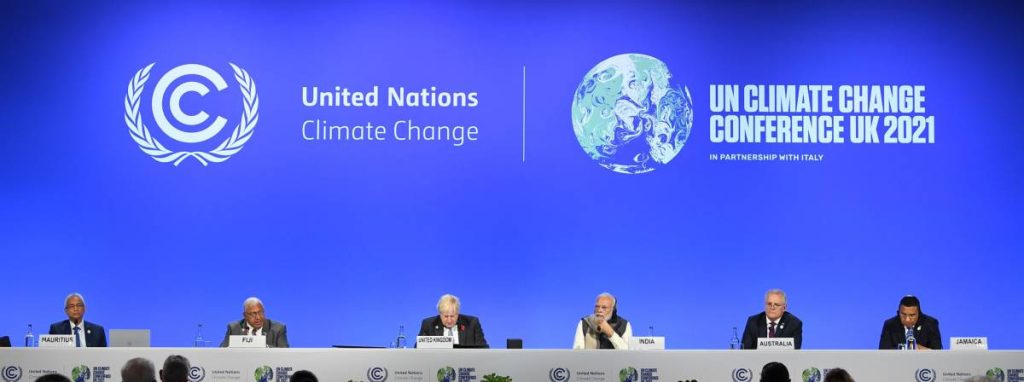
She said that 1.5 degrees would “not be safe” for communities like hers. “Even right now, it’s already evident that the climate crisis is ravaging different parts of the African continent,” Nakate said.

Yousafzai, 24, said that women were disproportionately impacted by the climate crisis.

“Treating climate change and gender inequality and girls’ education as separate issues is not doing justice to the cause of creating a fairer and better and cleaner world for all of us,” Yousafzai said. “It is important that we take these issues seriously and see the link between all of these.”

The comments came on the fifth day of the summit meeting, a gathering that John Kerry, the United States climate envoy, had billed as the planet’s “last, best chance” to curb the fossil fuel emissions that are driving climate change, reported NYT. (with inputs from ANI)

ALSO READ – COP26 pledges may close ambition gap by 9 Gt CO2

Newsdesk

Newsdesk

Aravind Rajeev is Deputy News Editor at Asian Lite, mostly covering the Middle East and GCC. He has over eight years of experience as a journalist, with a background in ground-level reporting, crime reporting, as well as international and regional news.

Previous Story

COP26 pledges may close ambition gap by 9 Gt CO2
Next Story

NIA Begins Probe on SFJ’s Funding Routes in Canada

Previous Story

COP26 pledges may close ambition gap by 9 Gt CO2

Next Story

NIA Begins Probe on SFJ’s Funding Routes in Canada

Latest from -Top News

PakistanĀ RisksĀ OverstretchingĀ ItselfĀ inĀ YemenĀ War

Pakistan’sĀ expandingĀ militaryĀ roleĀ inĀ SaudiĀ ArabiaĀ amidĀ theĀ YemenĀ conflictĀ couldĀ strainĀ itsĀ defenceĀ resourcesĀ andĀ fragileĀ finances…reports Asian Lite News Desk Pakistan’s military involvement in the war in Yemen may prove unsustainable because of mounting financial pressures and competing security demands, according to a new report. Islamabad’s growing military presence in Saudi Arabia risks stretching its defence resources while exposing the country to greater strategic and economic challenges. An article by Andrew Wilson in One World Outlook describes Pakistan’s involvement as a case of ā€œfiscal and strategic overreachā€, arguing that the country lacks the financial flexibility to sustain an expanded military commitment. Pakistan’s external finances depend heavily on an International Monetary Fund (IMF) programme, financial support from Gulf countries and remittances from Pakistani workers in the region. The report argues that deeper military involvement in the conflict could place additional pressure on these sources of financial stability. It also warns that deploying troops and military equipment abroad could weaken Pakistan’s capacity to address security challenges along its eastern border and deal with two domestic insurgencies. The move could also draw Islamabad into a conflict it has sought to approach cautiously. A Reuters report in May, citing Pakistani security and government sources, said Islamabad had deployed around 8,000 troops, a squadron of approximately 16 aircraft, mostly JF-17 fighter jets, two drone squadrons and a Chinese HQ-9 air-defence battery to Saudi Arabia. According to those sources, Riyadh was financing the deployment, with Pakistani personnel operating the equipment. The sources also said a confidential agreement contemplated the possibility of deploying up to 80,000 troops. Islamabad has not confirmed those figures, although it has acknowledged its military presence in Saudi Arabia, including the deployment of fighter jets at King Abdulaziz Air Base from April. The One World Outlook article argues that Saudi financial support can cover allowances and operating expenses but cannot easily replace military equipment needed elsewhere or resolve the political and strategic challenges of participating in the Yemen conflict. Pakistan’s defence budget is another concern. For the 2026-27 financial year, the federal government allocated PKR 3 trillion, or approximately $10.8 billion, to defence services. The allocation represents an 18 per cent increase from the original PKR 2.55 trillion provision and amounts to around 2.1 per cent of projected gross domestic product (GDP). Defence spending accounts for approximately 16 per cent of the federal government’s PKR 18.8 trillion expenditure. Military pensions are budgeted separately at PKR 822 billion, while debt servicing costs stand at approximately PKR 8 trillion, more than two-and-a-half times the defence allocation. The report argues that these competing financial obligations leave little room for additional military expenditure without placing further pressure on public finances. Pakistan’s reliance on IMF assistance also limits its fiscal flexibility. The country must meet the conditions attached to the programme, including a primary budget surplus target of 2 per cent of GDP and continued restraint on development spending. According to the article, these requirements make it difficult for Islamabad to finance an additional military commitment without compromising other budgetary priorities. Pakistan’s economic indicators offer limited reassurance. Economic growth for the 2025-26 financial year is estimated at between 3.6 and 3.7 per cent, while inflation reached approximately 10.3 per cent in September following an energy price shock. Foreign exchange reserves stood at around $21.5 billion at the end of September. Although this marks an improvement from the low levels recorded in 2023, the report notes that the reserves cover only a few months of imports. Financial assistance from Gulf partners remains central to Pakistan’s external stability. The article says Islamabad holds approximately $8 billion in Saudi deposits at its central bank. In July, the State Bank of Pakistan said Riyadh had extended the maturity of $5 billion in deposits to December 2028, easing the country’s immediate external financing requirements. A further $3 billion deposit was also extended in the spring. However, the article argues that these arrangements provide temporary relief rather than long-term financial independence, particularly as regional conflict threatens the stability of the Gulf economies on which Pakistan relies. The report concludes that Pakistan faces a difficult balance between supporting Saudi Arabia militarily and preserving the financial and military resources needed to address its domestic and regional challenges.

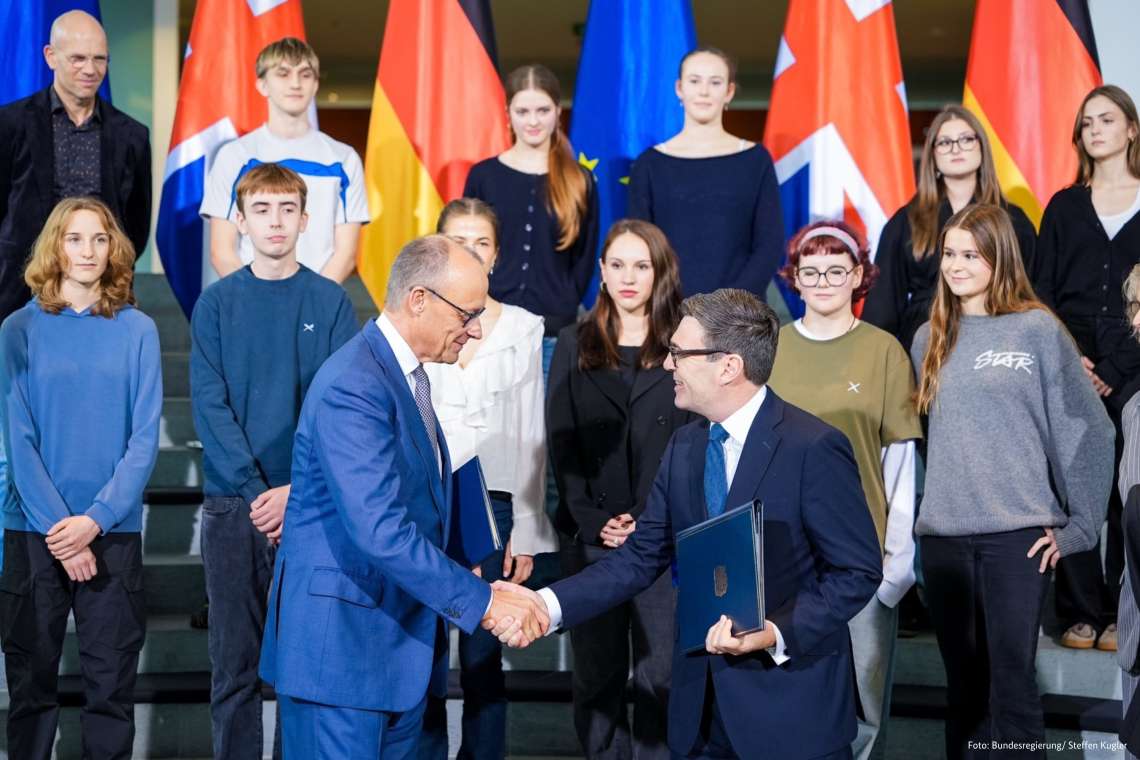
UK and Germany Ratify Kensington Treaty

Britain and Germany ratify the Kensington Treaty, agreeing new cooperation on AI, quantum research, defence and security while targeting investment, jobs and Russian hybrid threats…reports Asian Lite News Desk Britain and Germany

Economic tide is turning in Bangladesh

If there is one thing that can bring some comfort to the struggling Bangladeshi economy, it is good relations with India. Bangladesh should remember that Delhi’s backing, through easy supplies of essentials

DP World Lands 15-Year Bangladesh Port Deal

The agreement between the Chittagong Port Authority (CPA) and DP World covers the New Mooring Container Terminal…reports Asian Lite News Desk Bangladesh has signed a 15-year concession agreement with global ports operator
Go toTop

Don't Miss

London: Christians Protest Outside Pak Embassy Against Church Burning

The Protesters demanded to bring the perpetrators of heinous crimes

Death toll from Covid-19 surpasses 200,000 in UK

The country’s excess mortality rate is also higher than other