Bangladesh’s garment exports to the EU fell 11.91 per cent to €13.48 billion in January-September 2026…reports Asian Lite News Desk
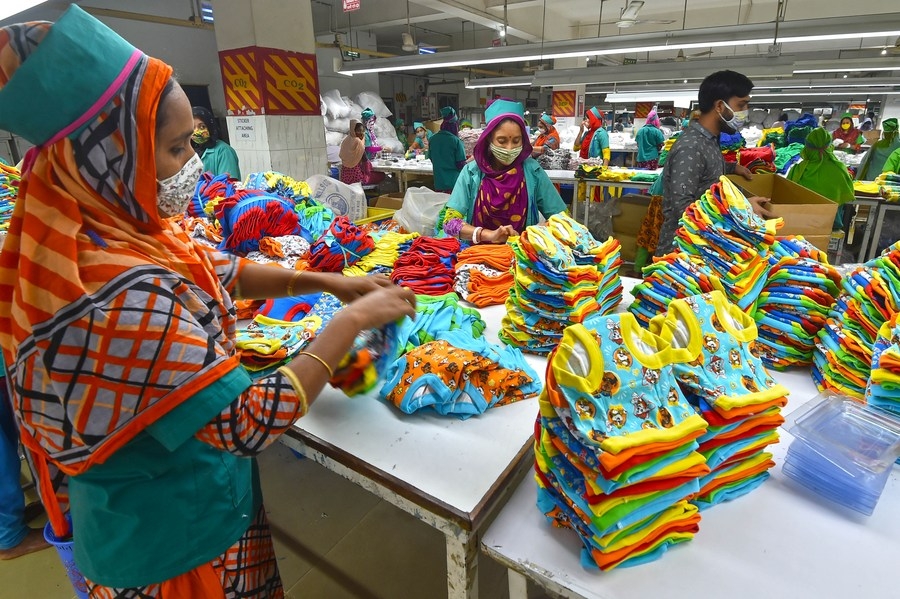
Bangladesh’s readymade garment exports to the European Union fell 11.91 per cent to €13.48 billion in the first nine months of 2026, amid prolonged labour unrest and growing competitiveness concerns. Lower shipment volumes, falling unit prices and wage disputes have added to pressure on the country’s crucial apparel industry.
Bangladesh’s readymade garment (RMG) exports to the European Union declined by nearly 12 per cent between January and September 2026, as prolonged labour unrest and structural challenges weighed on the country’s apparel sector.
Exports fell 11.91 per cent to €13.48 billion during the nine-month period, compared with the corresponding period last year, according to Eurostat data cited in a report by The Daily Star.
The decline was particularly sharp during the first four months of the year, when exports dropped 20.89 per cent. They were nearly stable between May and August, recording a fall of 1.25 per cent, before declining by 9.49 per cent in September.
Export volumes fell 5.74 per cent during the period, while the average unit price declined 6.54 per cent to €13.70 per kg, around 30 per cent below the EU average. Lower prices accounted for slightly more than half of the loss in export value, while Bangladesh’s share of EU apparel imports dropped from 21.10 per cent to 19.06 per cent.
Why is Bangladesh losing ground in the EU market?
Industry reports point to several structural challenges affecting Bangladesh’s competitiveness, including its heavy dependence on cotton-based products, limited investment in man-made fibre production and rising energy and sustainability requirements.
Competitors such as China and Vietnam have developed more extensive facilities for manufacturing man-made fibre garments and benefit from integrated supply chains, including access to fabrics from China. Bangladesh’s concentration on cotton products has therefore left it facing difficulties as demand and production requirements evolve.
The RMG industry accounts for more than four-fifths of Bangladesh’s export earnings, making the sector’s performance critical to the country’s economy.
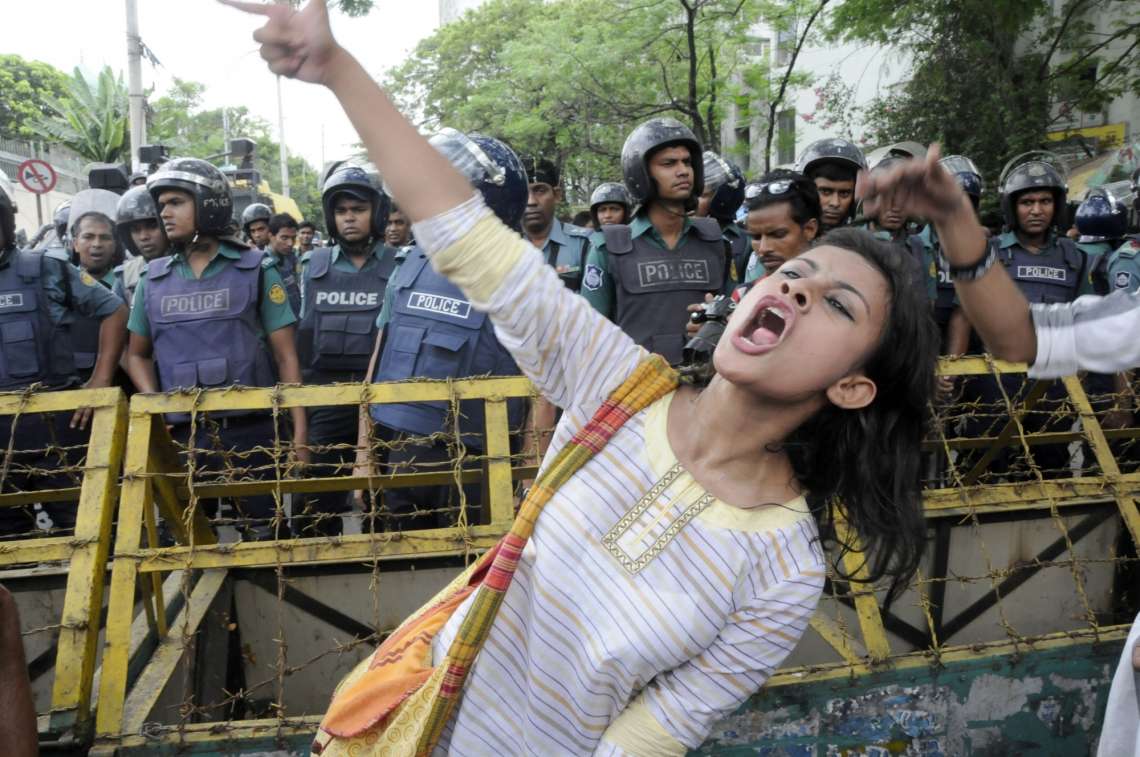
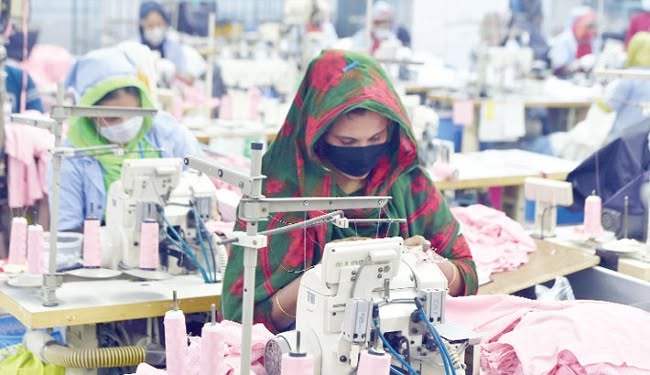
Labour unrest has added to the pressure, with garment workers continuing protests over demands for a substantial increase in the minimum monthly wage. Workers argue that existing wages are insufficient to meet rising costs of living, including food, housing and other essential expenses.
The dispute has developed into a wider challenge involving inflation, factory closures, political uncertainty and concerns about the industry’s long-term competitiveness.
Political developments have also contributed to the situation. Following widespread unrest and the transition of power in 2024, labour movements reportedly gained momentum across several industrial zones, bringing long-standing grievances over wages, job security and working conditions back into focus.
Reports of layoffs, delayed salary payments and factory closures have further intensified workers’ dissatisfaction.
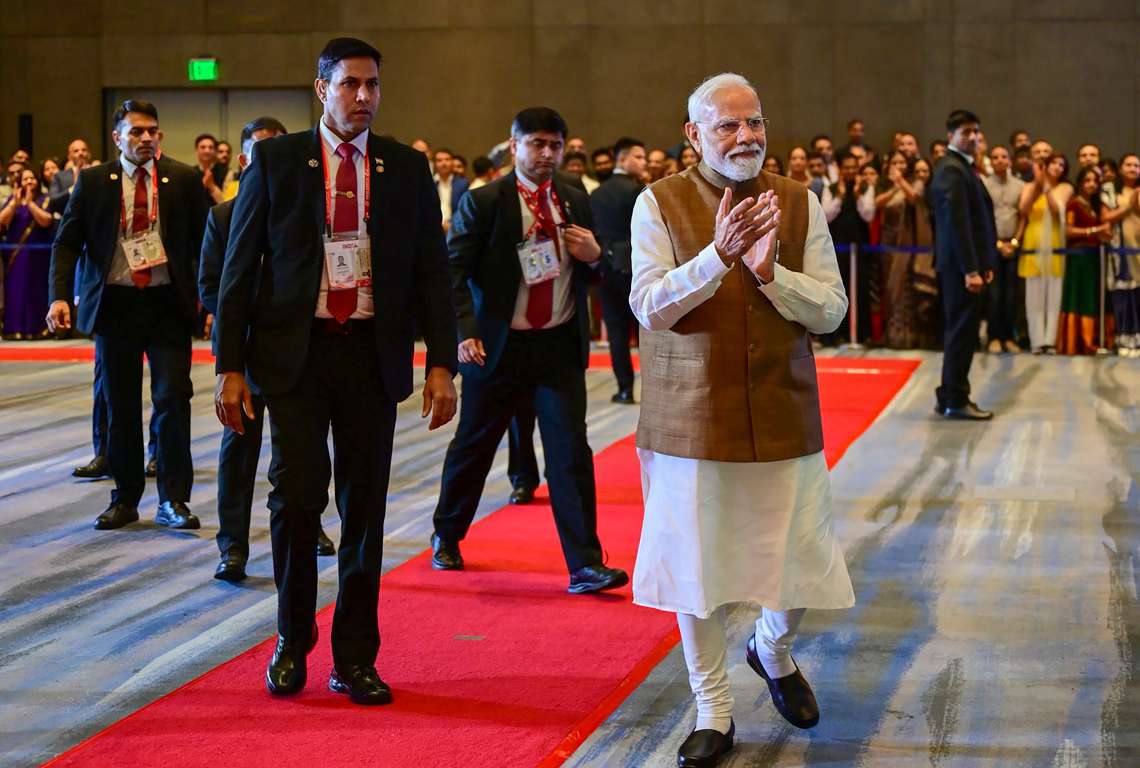
The developments also come as India seeks to strengthen its position in the European apparel market. Indian garment exports to the EU and the UK have received a boost from new trade agreements, with potential tariff reductions expected to address existing disadvantages.
India’s apparel exports to the EU reached a peak of $4.66 billion, approximately €4.23 billion, during the 2025-26 financial year. India ranks sixth among the world’s largest apparel exporters.
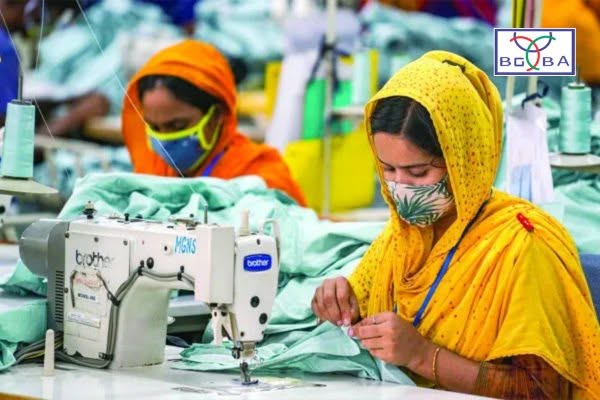
Indian exporters have reportedly faced a tariff disadvantage of 10 to 12 per cent compared with competitors such as Bangladesh, Pakistan and Turkey. However, the country’s domestic production of cotton and yarn, along with its supply chain capabilities, offers a competitive advantage.
For Bangladesh, the challenge is to balance workers’ demands for higher wages with factory owners’ concerns about losing the low-cost advantage that has helped establish the country as a major global apparel exporter.
The government has initiated measures to address the crisis, seeking to restore order in industrial areas while keeping export-oriented factories operational.
A Minimum Wage Board has been tasked with reviewing the pay structure for garment workers. Authorities have urged workers to return to their jobs, with a revised wage recommendation expected following consultations with labour representatives and factory owners.
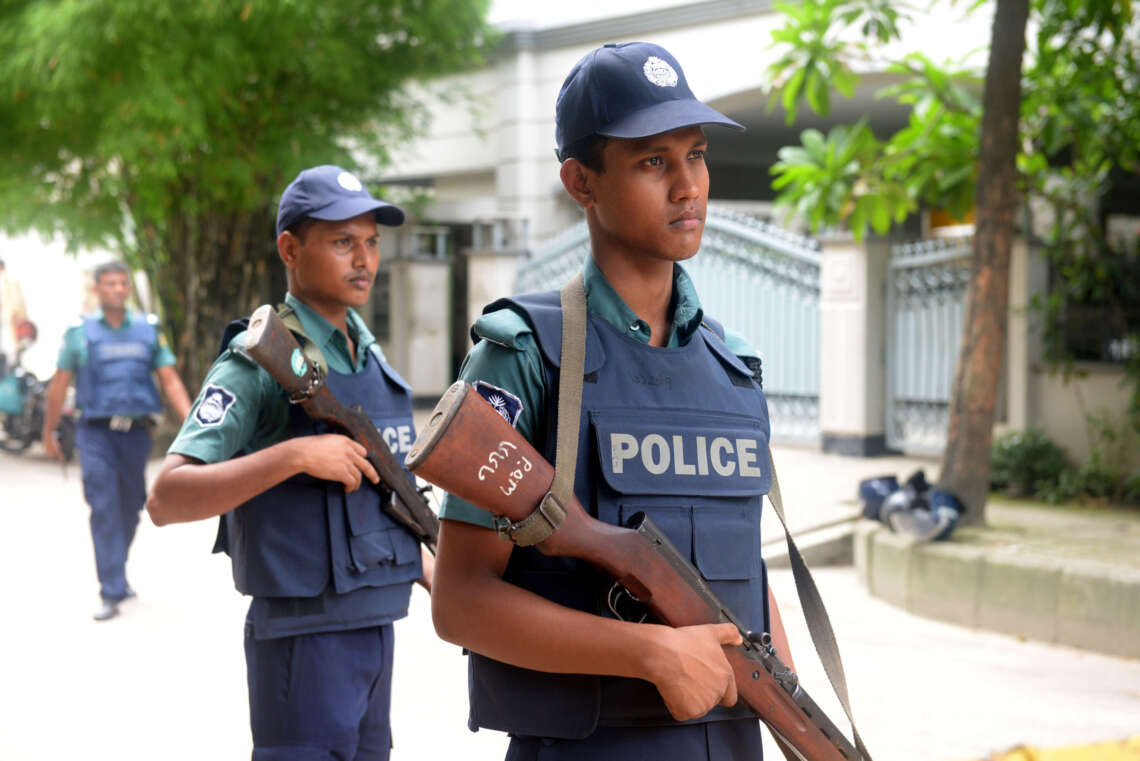
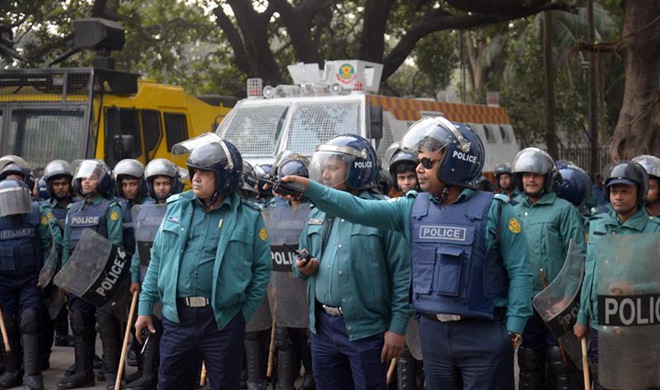
Security has also been strengthened in major industrial districts to prevent violence and maintain factory operations. Policymakers say a negotiated settlement is essential to restoring investor confidence and sustaining export growth.