Bangladeshi police and intelligence agencies have reportedly intensified monitoring of Chinese vloggers accused of portraying Dhaka neighbourhoods as New Delhi…reports Asian Lite News Desk
Bangladesh has reportedly intensified surveillance of Chinese vloggers accused of misrepresenting impoverished neighbourhoods in Dhaka as parts of New Delhi, following India’s diplomatic intervention over the circulation of misleading online content.
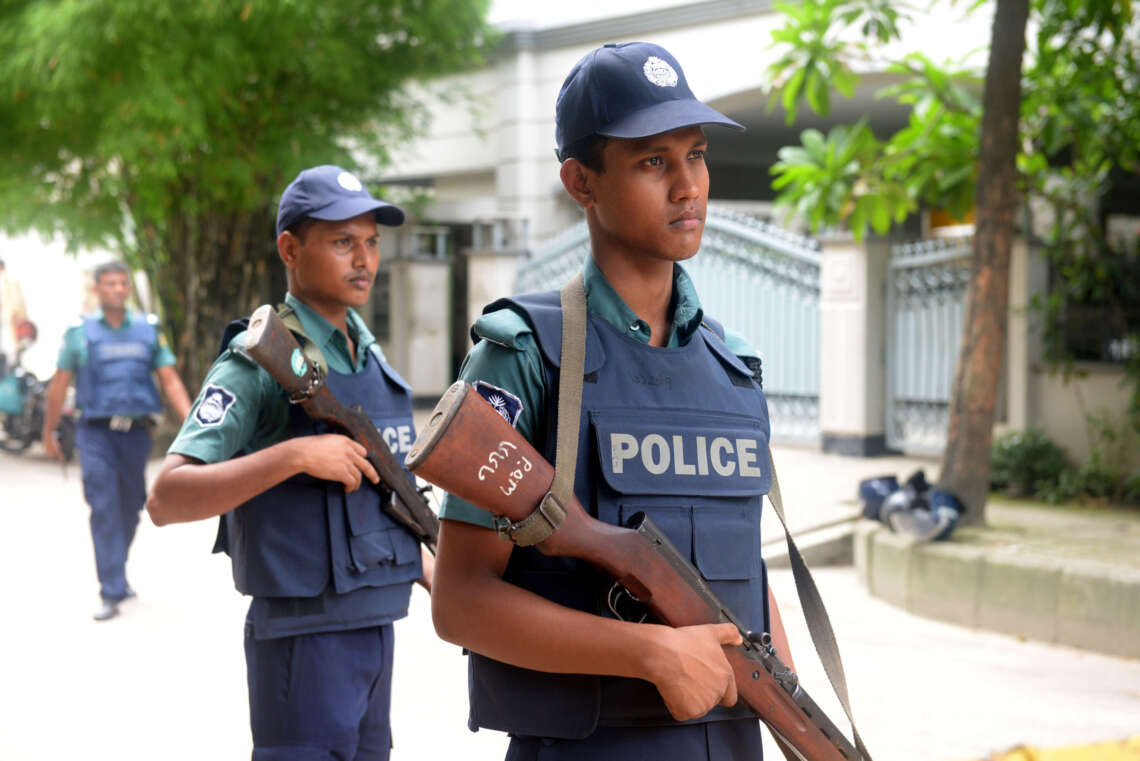
Bangladeshi police and intelligence agencies have stepped up monitoring of the Chinese content creators, with their activities reportedly declining after the intervention, according to a report by Thailand-based daily Page 3 News.
The vloggers allegedly filmed economically disadvantaged areas of the Bangladeshi capital and presented them to online audiences as locations in New Delhi, making disparaging remarks about India’s living conditions, sanitation and lifestyle.
More than 100 Chinese nationals were reportedly involved in producing such videos daily, with some allegedly paying local residents to assist them, the report said, citing Bangladeshi newspaper Prothom Alo.
Mohammed Khalid Mansur, officer-in-charge of Uttara West Police Station, reportedly confirmed that the activities had declined following intervention by law enforcement agencies. He said police and intelligence personnel were maintaining close surveillance of the vloggers and their movements.
India raises concerns over misleading content
India had strongly condemned the alleged attempts to portray Dhaka neighbourhoods as New Delhi, describing the activities as an effort to spread false narratives and distort the country’s image.
Addressing a media briefing in New Delhi on Tuesday, Ministry of External Affairs spokesperson Randhir Jaiswal urged the authorities concerned to take action against those involved.
“We have seen media reports in this regard. Such efforts to present a distorted picture of any country are unfortunate. Insofar as efforts to buy foreign elements to portray Dhaka as Delhi are concerned, the peddling of false narratives only undermines the credibility of those who are undertaking such actions and those who are behind them. And we would urge the authorities concerned to take action against such people,” he said.
The intervention followed reports that more than 150 Chinese nationals had been filming and livestreaming from economically disadvantaged neighbourhoods in Dhaka, falsely identifying them as parts of the Indian capital.
The videos reportedly contained derogatory remarks about India’s living standards, food habits, sanitation and poverty, raising concerns over the deliberate manipulation of geographical locations to influence international perceptions.
Misleading livestreams from Dhaka neighbourhoods
According to Prothom Alo, the activities had been reported in areas including Tekpara and Uttara for several months, with content creators operating from early morning until late at night.
In one incident, a Chinese woman identified as Mianmian, who claimed to be from China’s Sichuan province, livestreamed from beside a canal in Uttara Sector 12 on November 1. She allegedly presented the location as New Delhi and criticised the area’s residential buildings and living conditions.
“This is New Delhi. Their homes are extremely dirty. There isn’t even a fan inside the tin-roofed houses. This place is quite underdeveloped, dirty and unhygienic, and the law-and-order situation is poor,” Prothom Alo quoted her as saying.
In another incident, a Chinese content creator livestreamed from tea stalls in Dhaka’s Tekpara locality and made derogatory remarks about the beverages consumed by local residents.
“Look, they are drinking tea. Do you know what kind of tea this is? This is cow urine tea. They drink cow urine tea,” the newspaper quoted him as saying.
The footage also reportedly included repeated criticism of residents’ lifestyles, hygiene and access to sanitation facilities.
Reports of Chinese content creators filming in disadvantaged neighbourhoods of Dhaka have been emerging since May 2026, suggesting that the incidents were not isolated.
The controversy has highlighted growing concerns over the use of misleading social media content and livestreaming platforms to manipulate geographical identities and create negative perceptions among international audiences.