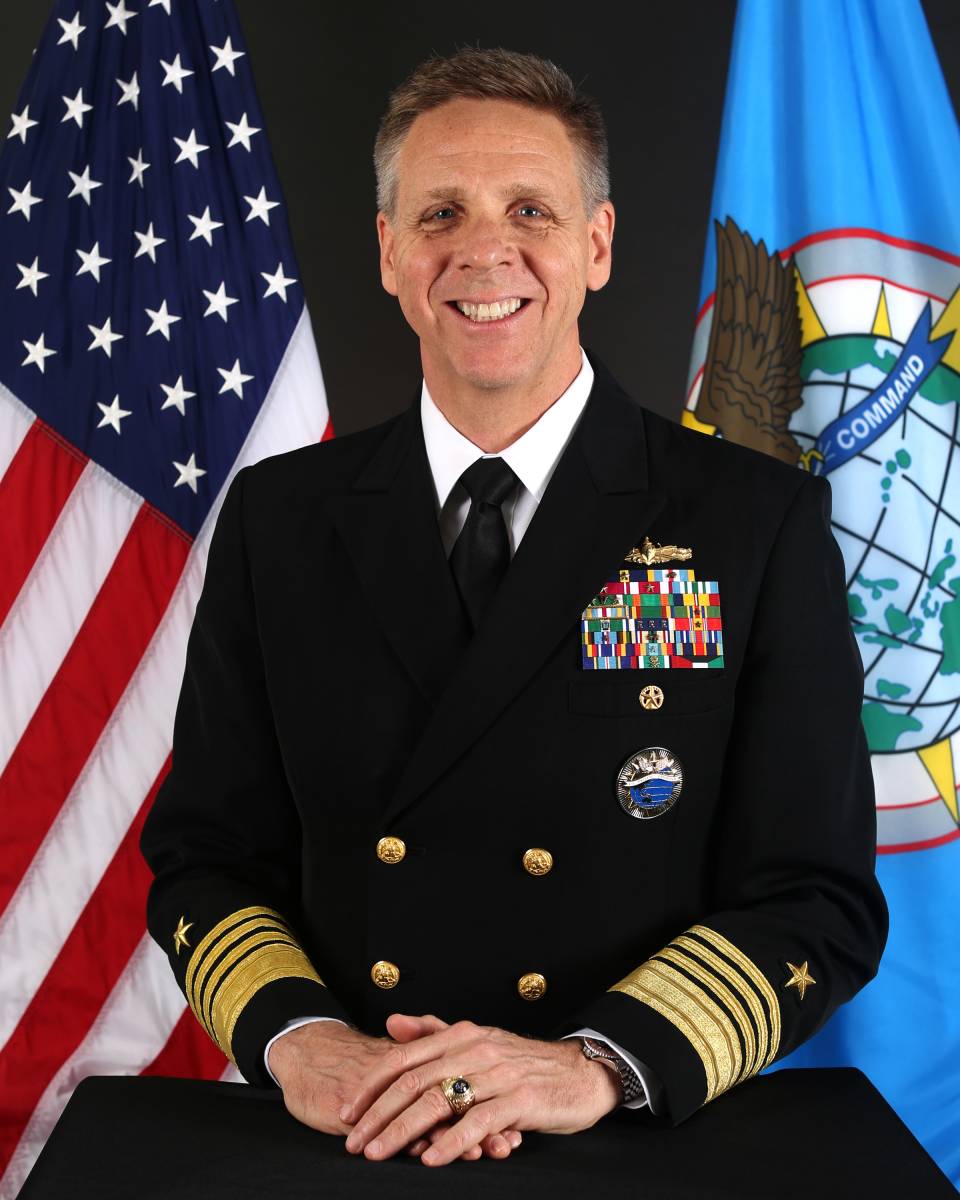
Admiral Phil Davidson, commander of United States Indo-Pacific Command alleged that Beijing’s very pernicious approach to the region includes a whole of party effort to coerce, corrupt and co-opt governments, businesses, organisations and the people of the Indo-Pacific…reports Asian Lite News
A top US military commander has told US lawmakers that People’s Republic of China poses the greatest long-term strategic threat in the 21st century.
Speaking to members of the House Armed Services Committee, Admiral Phil Davidson, commander of United States Indo-Pacific Command alleged that Beijing’s very pernicious approach to the region includes a whole of party effort to coerce, corrupt and co-opt governments, businesses, organisations and the people of the Indo-Pacific, according to reports.
“In stark contrast to our free and open vision, the Communist Party of China promotes a closed and authoritarian system through internal oppression, as well as external aggression,” media reports quoted the Admiral as saying.
Also read:New Sea Route and China’s Military Interests in Arctic
Meanwhile, Japan has sounded an alarm about China’s regional intent ahead of the May 12 summit of the Quad grouping, which also includes India, Australia and the US, that is taking place on Friday.
In a pro-active move, Japan’s Prime Minister Yoshihide Suga spoke for around 40 minutes with his Indian counterpart Narendra Modi where the two leaders recognised that it was increasingly important to recognise the importance of a “Free and open Indo-Pacific”. In plain language, the two leaders were focused on the threat posed by China to the status quo in the Indo-pacific a geographic space on either side of the Malacca straits. The Malacca straits link the Indian and the Pacific Oceans and is major choke point of the east-west international trade.
Naming China, the strongly worded statement from Japan Foreign Ministry said that “Prime Minister Suga expressed serious concerns regarding unilateral attempts to change the status quo in the East and South China Sea, China’s Coast Guard Law and the situation in Hong Kong and the Xinjiang Uyghur Autonomous Region (XUAR).”
Also read:Pelosi tears into China on Tibet