The new recommendations are also aimed at easing the pressure created by the pandemic on NHS capacity over the next few months…reports Asian Lite News.
Hospitals in England have been given the green light to ease some of the Covid infection-control measures that have been in place during the pandemic.
The UK Health Security Agency (UKHSA) has recommended 3 pragmatic changes to the current management of COVID-19 IPC measures, with a focus on elective care.
The new recommendations are also aimed at easing the pressure created by the pandemic on NHS capacity over the next few months.
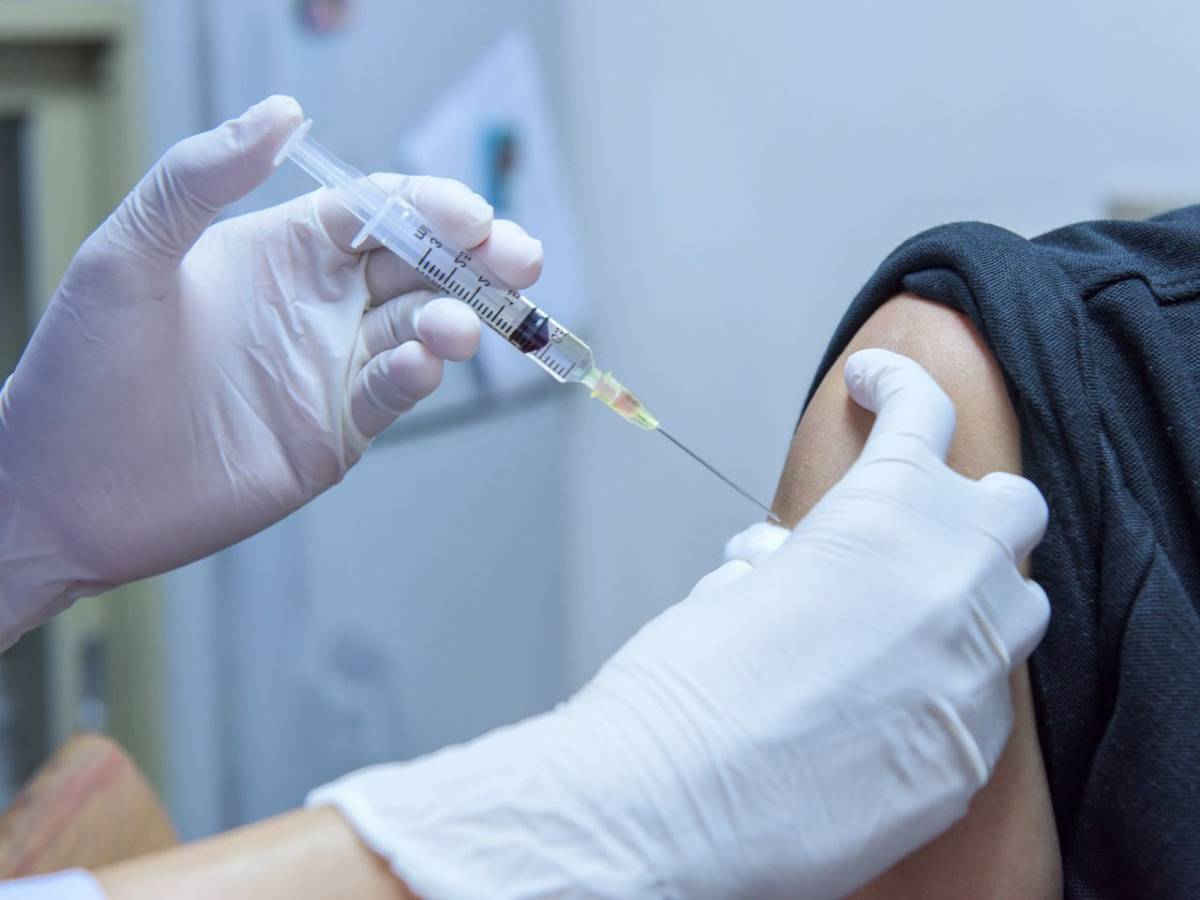
This advice comes as more of the population is vaccinated and therefore protected against COVID-19. This advice should be used by local acute care providers to allow them to start to make further safe changes to their services, in line with a local assessment of risk.
It says testing and isolating patients before planned operations can be dropped and hospitals can return to normal cleaning procedures.
Selected patients in low risk groups who are fully vaccinated, asymptomatic, with a negative lateral flow test on the day of their procedure will no longer need to have a negative PCR and isolate for 3 days. Patients who are contacts of a confirmed case of SARS-CoV-2 will still need to go through the current PCR pathway.
Social distancing can also be reduced from 2m (6ft) to 1m in some areas. This with appropriate mitigations where patient access can be controlled (for example, not in emergency departments). Also, WHO currently advises 1 metre physical distancing in healthcare facilities.
It also recommended to discontinue enhanced cleaning in agreed low risk areas such as planned or scheduled elective care and providers can revert to standard cleaning procedures between patients.
Dr Jenny Harries, UKHSA Chief Executive, said: “We have reviewed the existing COVID-19 IPC evidence-based guidance and made a series of initial pragmatic recommendations on how local providers can start to safely remove some of the interventions that have been in place in elective care specifically for COVID-19.”
“This is a first step to help the NHS treat more patients more quickly, while ensuring their safety and balancing their different needs for care,” he added.
Health and Social Care Secretary, Sajid Javid, said: “As ever more people benefit from the protection of our phenomenal vaccination campaign, we can now safely begin to relieve some of the most stringent infection control measures where they are no longer necessary to benefit patients and ease the burden on hardworking NHS staff.”
ALSO READ-NHS Offers More Career Opportunities