November 28, 2021
5 mins read

Govt to review easing of foreign travel curbs

Modi stressed on the need to be proactive to monitor the new threat and “intensive containment and active surveillance should continue in clusters reporting higher cases,” reports Asian Lite News

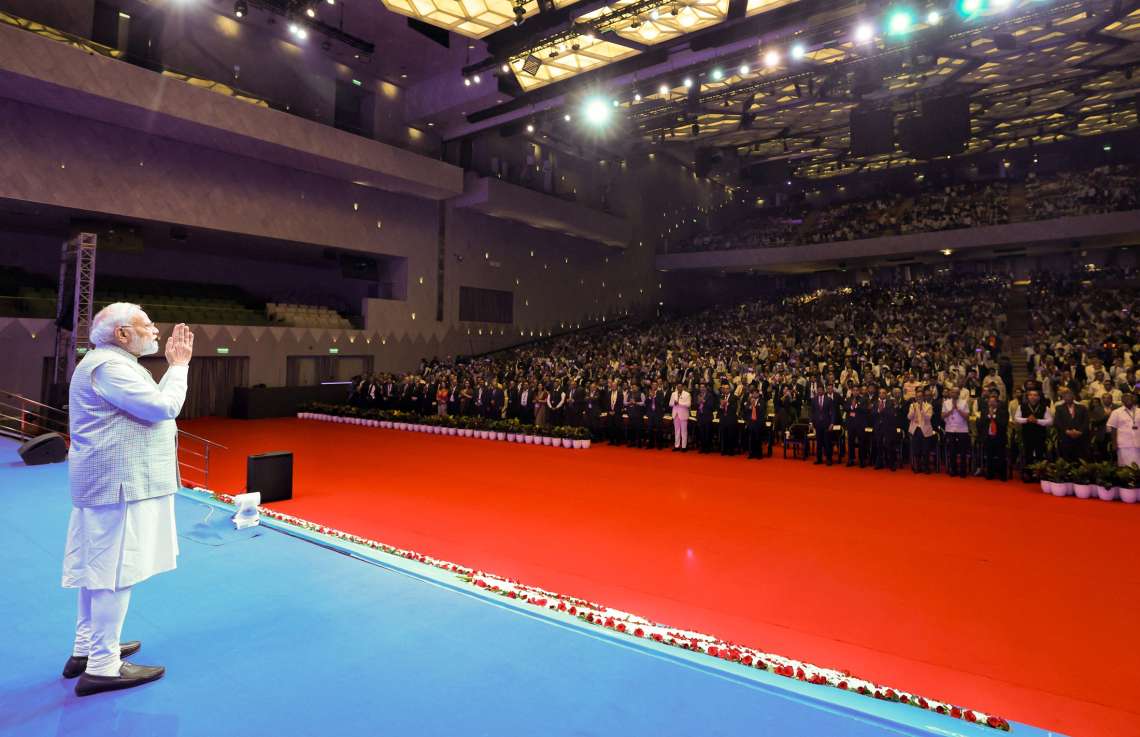
India will review its plan to ease international travel restrictions after a new variant of Sars-CoV-2 triggered a global alarm. Prime Minister Narendra Modi directed top officials at a meeting lasting over two hours on Saturday to be “proactive in light of the new threat”.

The World Health Organization on Friday designated a new variant of concern, classifying it as Omicron after early analysis of case trends and labs tests in South Africa threw up strong signals that it could be a more serious threat than the Delta variant, which has triggered devastating waves in several countries.

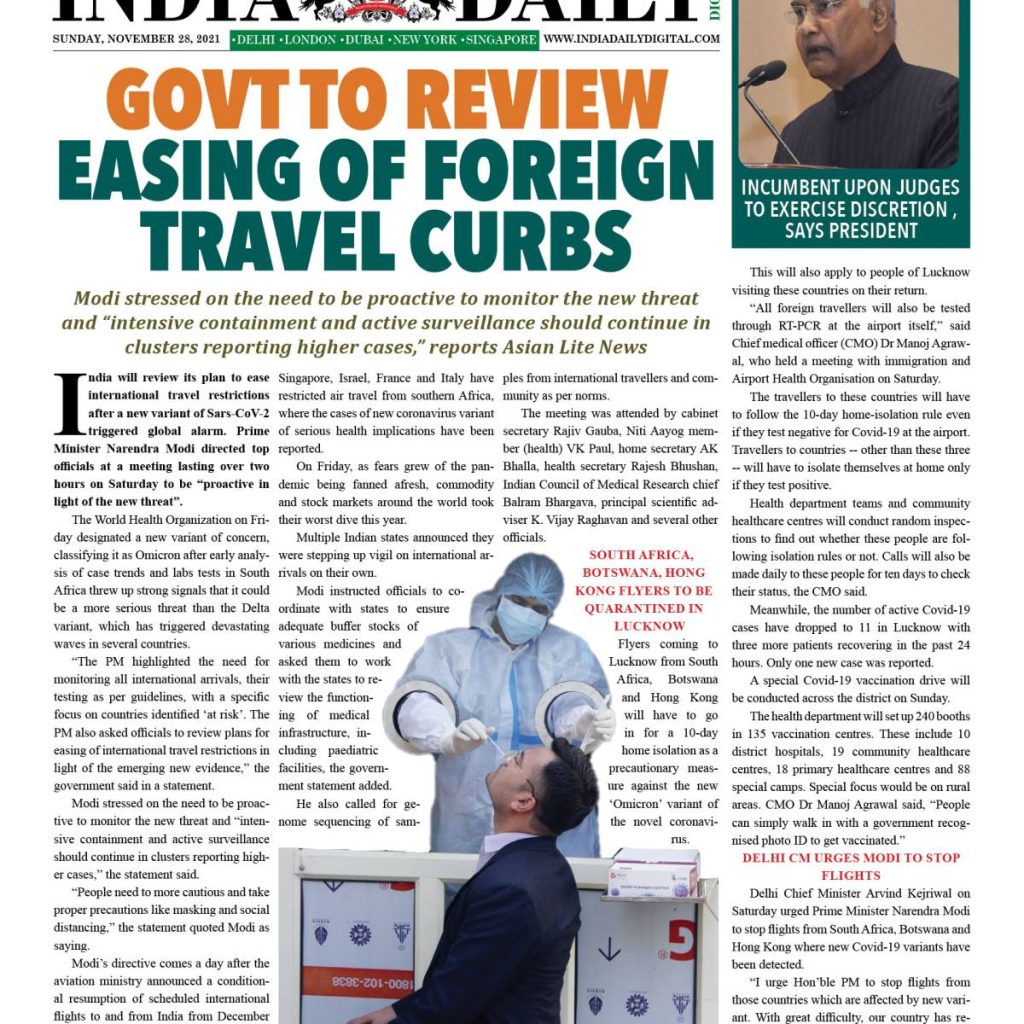
“The PM highlighted the need for monitoring all international arrivals, their testing as per guidelines, with a specific focus on countries identified ‘at risk’. The PM also asked officials to review plans for easing of international travel restrictions in light of the emerging new evidence,” the government said in a statement.

Modi stressed on the need to be proactive to monitor the new threat and “intensive containment and active surveillance should continue in clusters reporting higher cases,” the statement said.
“People need to more cautious and take proper precautions like masking and social distancing,” the statement quoted Modi as saying.

Modi’s directive comes a day after the aviation ministry announced a conditional resumption of scheduled international flights to and from India from December 15, after 20 months of a coronavirus-induced suspension.

Countries such as the UK, Germany, Singapore, Israel, France and Italy have restricted air travel from southern Africa, where the cases of new coronavirus variant of serious health implications have been reported.

On Friday, as fears grew of the pandemic being fanned afresh, commodity and stock markets around the world took their worst dive this year.

Multiple Indian states announced they were stepping up vigil on international arrivals on their own.

Modi instructed officials to coordinate with states to ensure adequate buffer stocks of various medicines and asked them to work with the states to review the functioning of medical infrastructure, including paediatric facilities, the government statement added.

He also called for genome sequencing of samples from international travellers and communities as per norms.

The meeting was attended by cabinet secretary Rajiv Gauba, Niti Aayog member (health) VK Paul, home secretary AK Bhalla, health secretary Rajesh Bhushan, Indian Council of Medical Research chief Balram Bhargava, principal scientific adviser K. Vijay Raghavan and several other officials.

South Africa, Botswana, Hong Kong flyers to be quarantined in Lucknow

Flyers coming to Lucknow from South Africa, Botswana and Hong Kong will have to go in for 10-day home isolation as a precautionary measure against the new ‘Omicron’ variant of the novel coronavirus.

This will also apply to the people of Lucknow visiting these countries on their return.

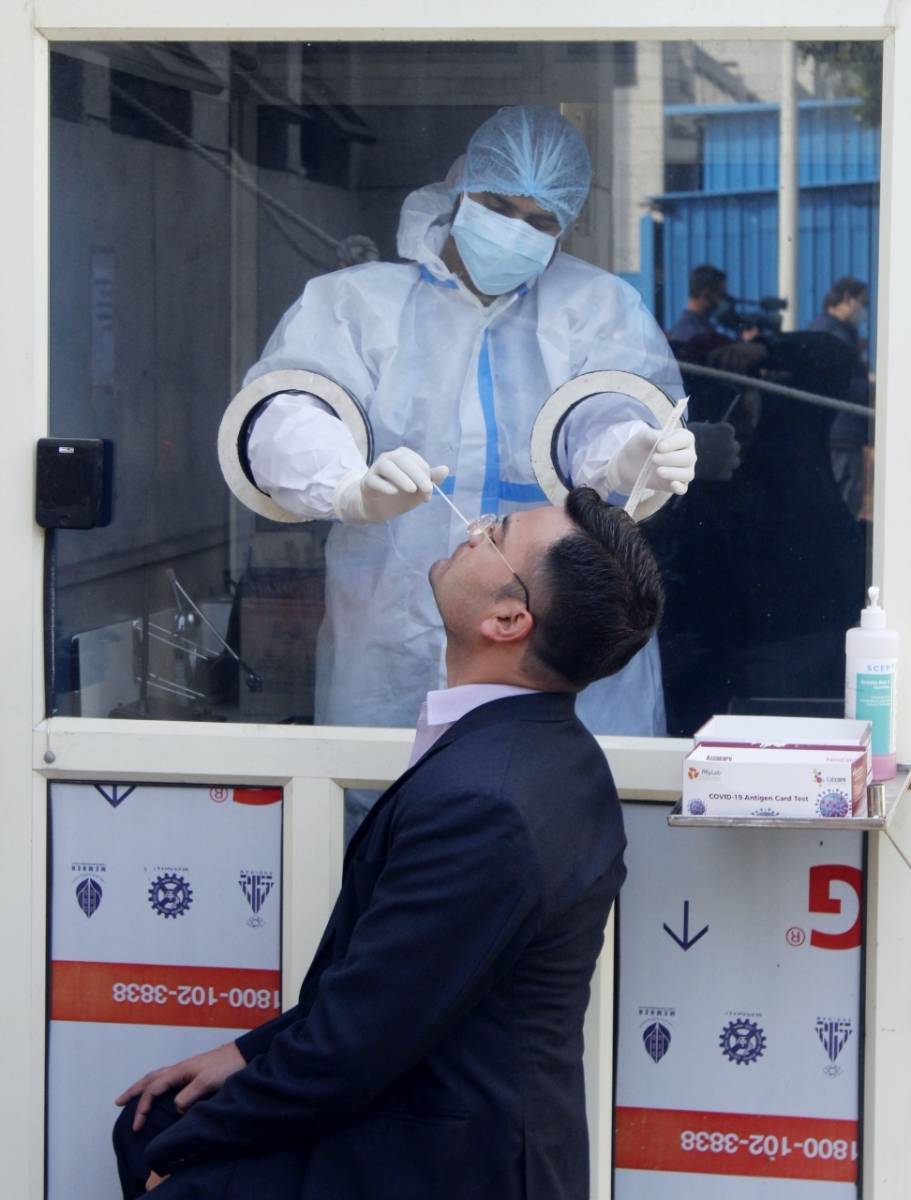
“All foreign travellers will also be tested through RT-PCR at the airport itself,” said Chief medical officer (CMO) Dr Manoj Agrawal, who held a meeting with immigration and Airport Health Organisation on Saturday.
The travellers to these countries will have to follow the 10-day home-isolation rule even if they test negative for Covid-19 at the airport. Travellers to countries — other than these three — will have to isolate themselves at home only if they test positive.

Health department teams and community healthcare centres will conduct random inspections to find out whether these people are following isolation rules or not. Calls will also be made daily to these people for ten days to check their status, the CMO said.

Meanwhile, the number of active Covid-19 cases have dropped to 11 in Lucknow with three more patients recovering in the past 24 hours. Only one new case was reported.

A special Covid-19 vaccination drive will be conducted across the district on Sunday.

The health department will set up 240 booths in 135 vaccination centres. These include 10 district hospitals, 19 community healthcare centres, 18 primary healthcare centres and 88 special camps. Special focus would be on rural areas.

CMO Dr Manoj Agrawal said, “People can simply walk in with a government recognised photo ID to get vaccinated.”

Delhi CM urges Modi to stop flights

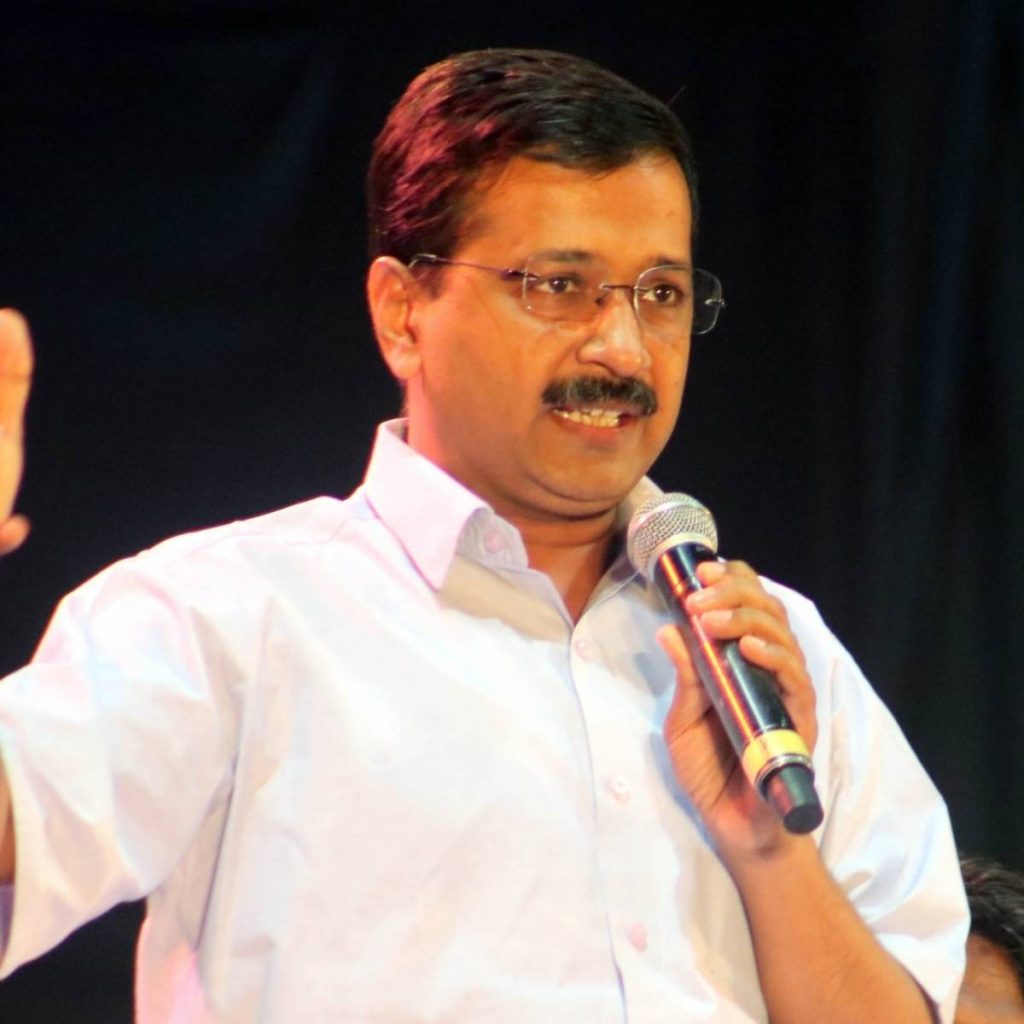
Delhi Chief Minister Arvind Kejriwal on Saturday urged Prime Minister Narendra Modi to stop flights from South Africa, Botswana and Hong Kong where new Covid-19 variants have been detected.

“I urge Hon’ble PM to stop flights from those countries which are affected by new variant. With great difficulty, our country has recovered from Corona. We should do everything possible to prevent this new variant from entering India,” Kejriwal tweeted this morning.

His tweet came in the light of a meeting that will be chaired by the Prime Minister on the Covid-19 situation and vaccination, today.

With the news of a new Covid-19 variant –Omicron, being detected in South Africa, scientists and health experts in India have said that new waves of infection are anticipated and unless we act quickly and efficiently, the country will possibly see repeat waves.
In a communication to all states and Union Territories, Health Secretary Rajesh Bhushan said India’s National Centre for Disease Control (NCDC) has informed the government that “multiple cases of a Covid-19 variant B.1.1529 have been reported in Botswana (3 cases), South Africa (6 cases) and Hong Kong (1 case)”.

“This variant is reported to have a significantly high number of mutations, and thus, has serious public health implications for the country, in view of recently relaxed visa restrictions and opening up of international travel,” Bhushan said.

“lt is, therefore, imperative that ALL international travellers travelling from and transiting through these countries, (they are part of the “at-risk” Country Category of international travellers coming to lndia) are subjected to rigorous screening and testing”, the communication said.

“The contacts of these international travellers must also be closely tracked and tested as per MoHFW guidelines.”

ALSO READ-Twitter getting ready for ‘Reactions’
Previous Story

Legislature doesn’t conduct study to assess impact of laws it passes: CJI

Next Story

Dawood’s nexus caused concern that terrorists may get hold of Pak nukes

Previous Story

Legislature doesn’t conduct study to assess impact of laws it passes: CJI

Next Story

Dawood’s nexus caused concern that terrorists may get hold of Pak nukes

Latest from -Top News

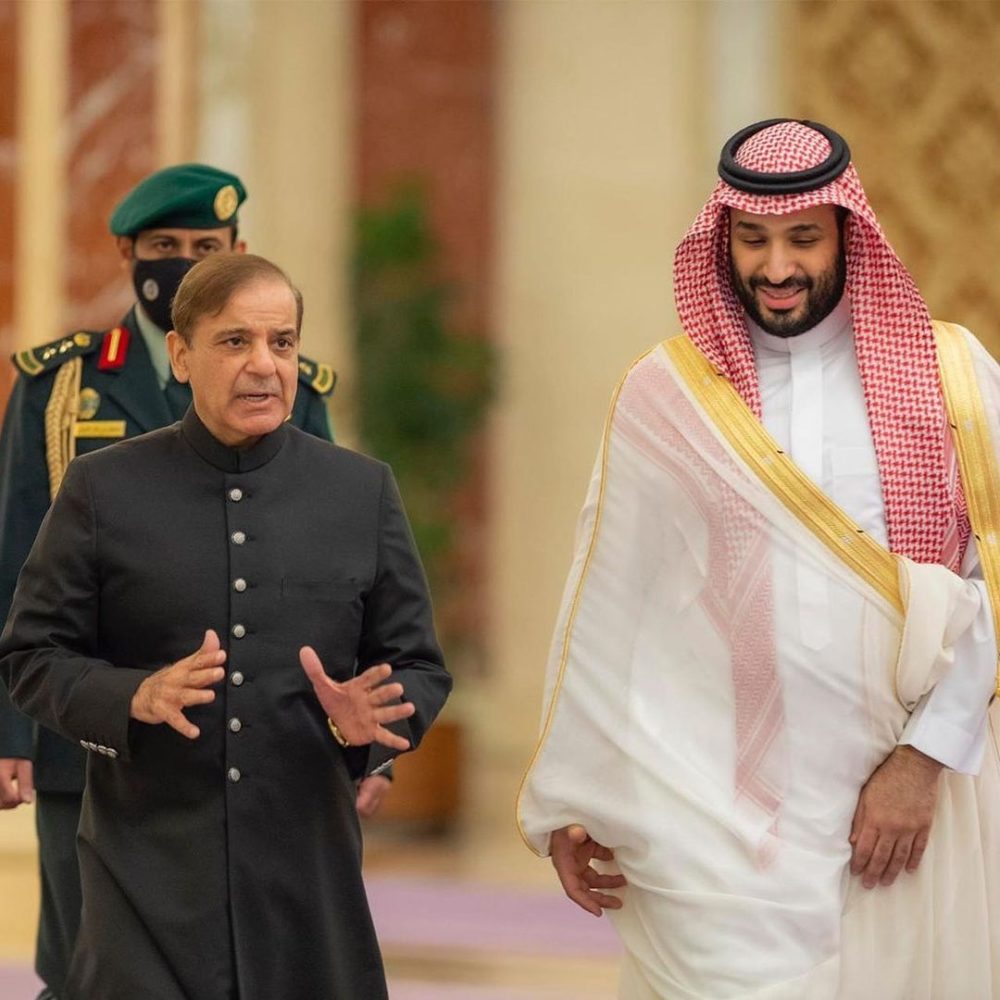
Pakistan Risks Overstretching Itself in Yemen War

Pakistan’s expanding military role in Saudi Arabia amid the Yemen conflict could strain its defence resources and fragile finances…reports Asian Lite News Desk Pakistan’s military involvement in the war in Yemen may prove unsustainable because of mounting financial pressures and competing security demands, according to a new report. Islamabad’s growing military presence in Saudi Arabia risks stretching its defence resources while exposing the country to greater strategic and economic challenges. An article by Andrew Wilson in One World Outlook describes Pakistan’s involvement as a case of “fiscal and strategic overreach”, arguing that the country lacks the financial flexibility to sustain an expanded military commitment. Pakistan’s external finances depend heavily on an International Monetary Fund (IMF) programme, financial support from Gulf countries and remittances from Pakistani workers in the region. The report argues that deeper military involvement in the conflict could place additional pressure on these sources of financial stability. It also warns that deploying troops and military equipment abroad could weaken Pakistan’s capacity to address security challenges along its eastern border and deal with two domestic insurgencies. The move could also draw Islamabad into a conflict it has sought to approach cautiously. A Reuters report in May, citing Pakistani security and government sources, said Islamabad had deployed around 8,000 troops, a squadron of approximately 16 aircraft, mostly JF-17 fighter jets, two drone squadrons and a Chinese HQ-9 air-defence battery to Saudi Arabia. According to those sources, Riyadh was financing the deployment, with Pakistani personnel operating the equipment. The sources also said a confidential agreement contemplated the possibility of deploying up to 80,000 troops. Islamabad has not confirmed those figures, although it has acknowledged its military presence in Saudi Arabia, including the deployment of fighter jets at King Abdulaziz Air Base from April. The One World Outlook article argues that Saudi financial support can cover allowances and operating expenses but cannot easily replace military equipment needed elsewhere or resolve the political and strategic challenges of participating in the Yemen conflict. Pakistan’s defence budget is another concern. For the 2026-27 financial year, the federal government allocated PKR 3 trillion, or approximately $10.8 billion, to defence services. The allocation represents an 18 per cent increase from the original PKR 2.55 trillion provision and amounts to around 2.1 per cent of projected gross domestic product (GDP). Defence spending accounts for approximately 16 per cent of the federal government’s PKR 18.8 trillion expenditure. Military pensions are budgeted separately at PKR 822 billion, while debt servicing costs stand at approximately PKR 8 trillion, more than two-and-a-half times the defence allocation. The report argues that these competing financial obligations leave little room for additional military expenditure without placing further pressure on public finances. Pakistan’s reliance on IMF assistance also limits its fiscal flexibility. The country must meet the conditions attached to the programme, including a primary budget surplus target of 2 per cent of GDP and continued restraint on development spending. According to the article, these requirements make it difficult for Islamabad to finance an additional military commitment without compromising other budgetary priorities. Pakistan’s economic indicators offer limited reassurance. Economic growth for the 2025-26 financial year is estimated at between 3.6 and 3.7 per cent, while inflation reached approximately 10.3 per cent in September following an energy price shock. Foreign exchange reserves stood at around $21.5 billion at the end of September. Although this marks an improvement from the low levels recorded in 2023, the report notes that the reserves cover only a few months of imports. Financial assistance from Gulf partners remains central to Pakistan’s external stability. The article says Islamabad holds approximately $8 billion in Saudi deposits at its central bank. In July, the State Bank of Pakistan said Riyadh had extended the maturity of $5 billion in deposits to December 2028, easing the country’s immediate external financing requirements. A further $3 billion deposit was also extended in the spring. However, the article argues that these arrangements provide temporary relief rather than long-term financial independence, particularly as regional conflict threatens the stability of the Gulf economies on which Pakistan relies. The report concludes that Pakistan faces a difficult balance between supporting Saudi Arabia militarily and preserving the financial and military resources needed to address its domestic and regional challenges.

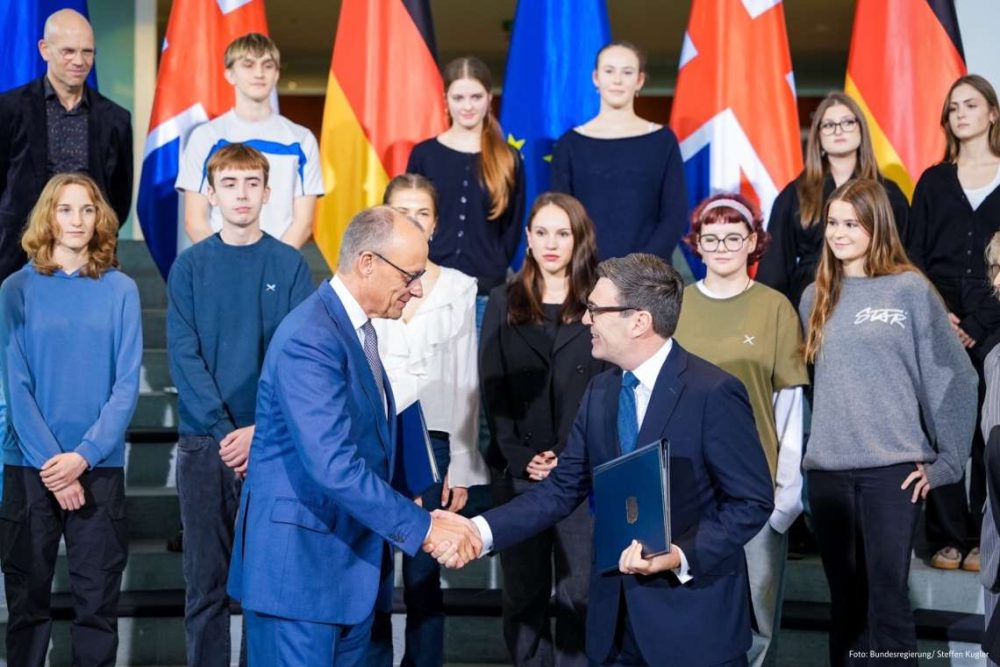
UK and Germany Ratify Kensington Treaty

Britain and Germany ratify the Kensington Treaty, agreeing new cooperation on AI, quantum research, defence and security while targeting investment, jobs and Russian hybrid threats…reports Asian Lite News Desk Britain and Germany

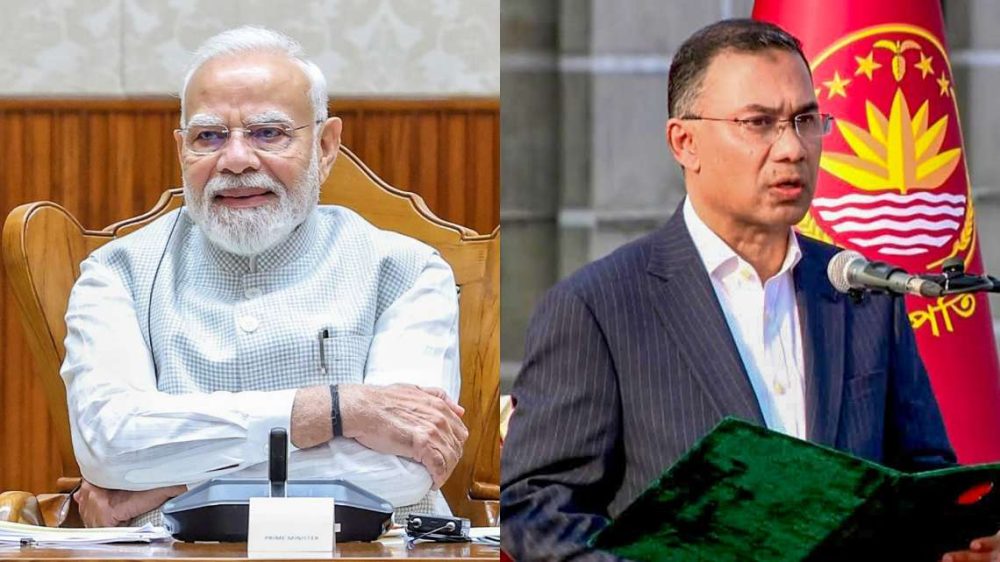
Economic tide is turning in Bangladesh

If there is one thing that can bring some comfort to the struggling Bangladeshi economy, it is good relations with India. Bangladesh should remember that Delhi’s backing, through easy supplies of essentials

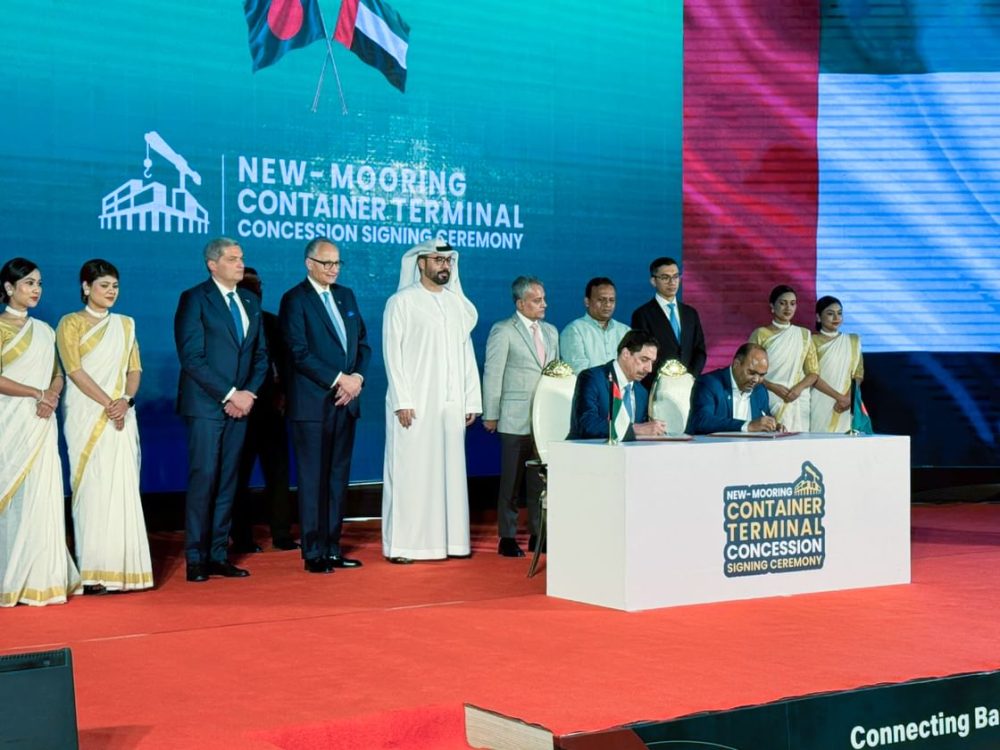
DP World Lands 15-Year Bangladesh Port Deal

The agreement between the Chittagong Port Authority (CPA) and DP World covers the New Mooring Container Terminal…reports Asian Lite News Desk Bangladesh has signed a 15-year concession agreement with global ports operator
Go toTop

Don't Miss

PM Modi Welcomes Microsoft’s Bold Plans

Satya Nadella expressed his gratitude to the Prime Minister for

Maldives President Greets India on Republic Day Amid Tensions

President Muizzu also expressed hope for continued peace, progress, and