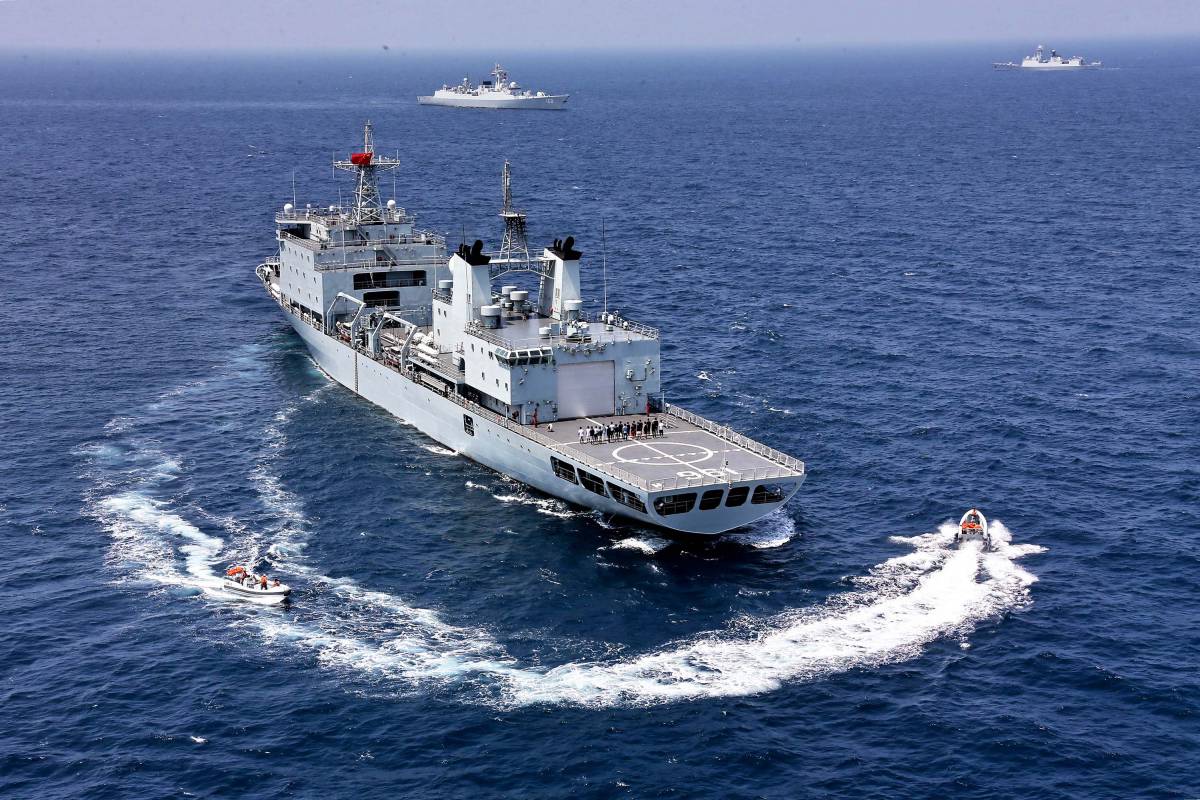
China claims “indisputable sovereignty” over the South China Sea, which some Chinese officials refer to it as the country’s “blue national soil”, an euphemism for the country’s offshore waters, reports Asian Lite News
The South China Sea has been for years a hotspot, with various countries claiming sovereignty rights and entitlement of its small islands and reefs, and most importantly, access to its vast oil and gas resources and fishing grounds.
China’s sweeping claims to the sea, which includes an estimated 11 billion barrels of oil and 190 trillion cubic feet of natural gas, have outraged competing claimants Brunei, Indonesia, Malaysia, the Philippines, Taiwan and Vietnam.
These countries began their claims of islands and zones in the South China Sea as early as the 1970s, such as the Spratly Islands, which have abundant natural resources and fishing regions. The Chinese government issued a map named “Map of Chinese Islands in the South China Sea” in 1935, which was projected with eleven dashes.
The Chinese government relinquished its claim to the Gulf of Tonkin in 1949, and the presently contested nine-dash line was formed. The nine-dash line in the South China Sea reflects the utmost extent of Chinese historical claims. China now claims “indisputable sovereignty” over the South China Sea, which some Chinese officials refer to it as the country’s “blue national soil”, an euphemism for the country’s offshore waters.
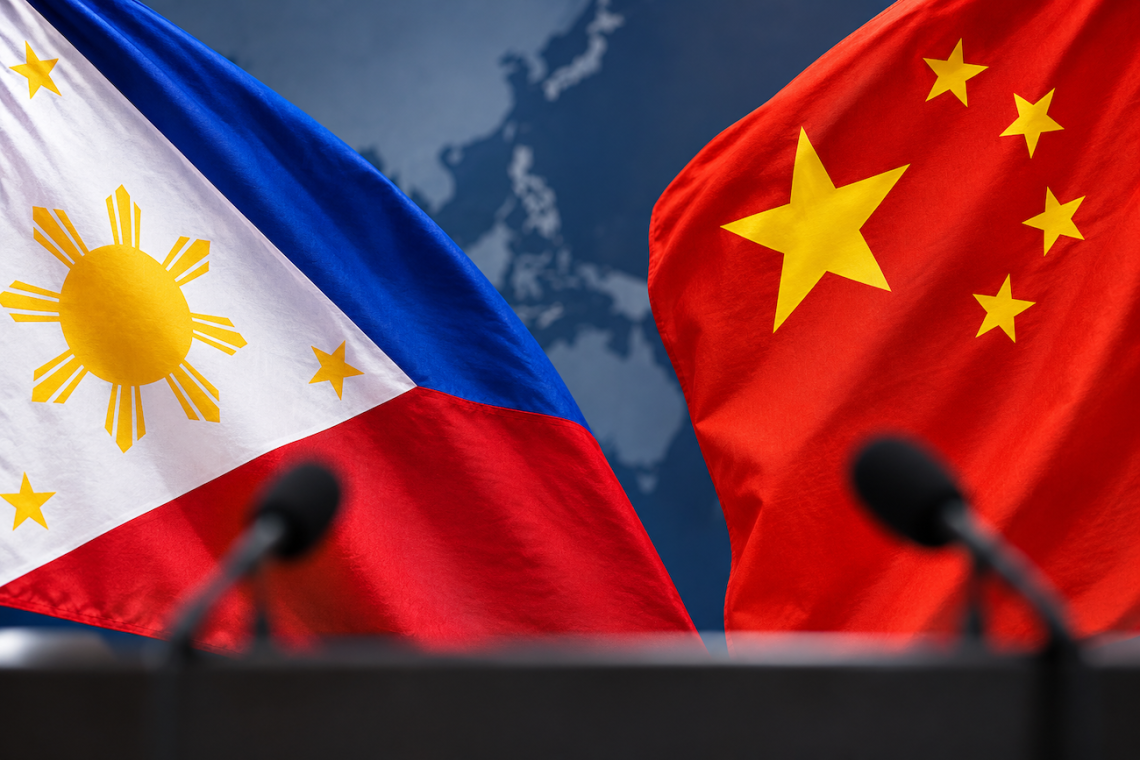
The Philippines initiated arbitral proceedings against the People’s Republic of China over these claims on January 22, 2013, under Annex VII of the United Nations Convention on the Law of the Sea. The arbitration was regarding the role of this historic rights called nine dash line and the source of maritime entitlements, the status of certain maritime features and the legality of different Chinese operations in the South China Sea that the Philippines claimed to be illegal.
China’s claims to the South China Sea were denied by the Permanent Court of Arbitration, in The Hague in 2016, but it was evident that China was encroaching on Philippine sovereignty through operations such as island-building in Manila’s exclusive economic zone (EEZ).
Despite the fact that China has signed the UNCLOS, it refuses to acknowledge the court’s authority. Furthermore, over the years China has built artificial islands and military installations in the parts of South China Sea.
However, they make no difference to China’s maritime right, according to the judgement of 2016, enabling the US to contest the Chinese claims through so-called “Freedom of Navigation” operations.
Foreign military are not permitted to perform intelligence-gathering activities, such as reconnaissance aircraft, in China’s exclusive economic zone, according to international law. Claimant countries should have freedom of navigation through EEZs in the sea, according to the US, and they are not compelled to notify claimants of military activity under UNCLOS.
China’s extensive island-building and base-building activities in the Spratly Islands, in tandem with, actions by its maritime forces to assert Chinese claims against competing claims by regional neighbours, have raised concerns among US analysts that China is gaining effective control of the South China Sea which remains, a strategic, political, and economic hotspot for the US and its allies and partners.
US Secretary of State Antony Blinken in the fifth anniversary of the 2016 ruling of the Hague has urged Beijing to follow international law and stop engaging in “provocative behaviour” in the South China Sea, while also reiterating a Trump-era policy and the Biden administration’s resolve to defend the Philippines’ armed forces against a Chinese “armed strike.”
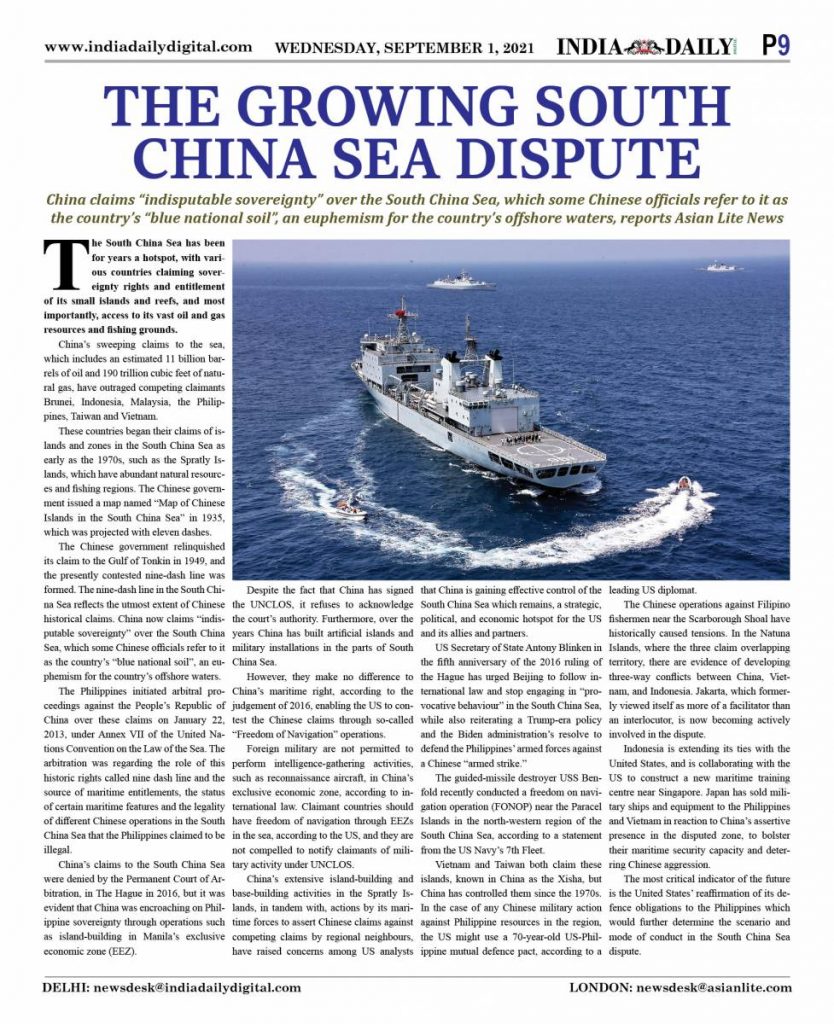
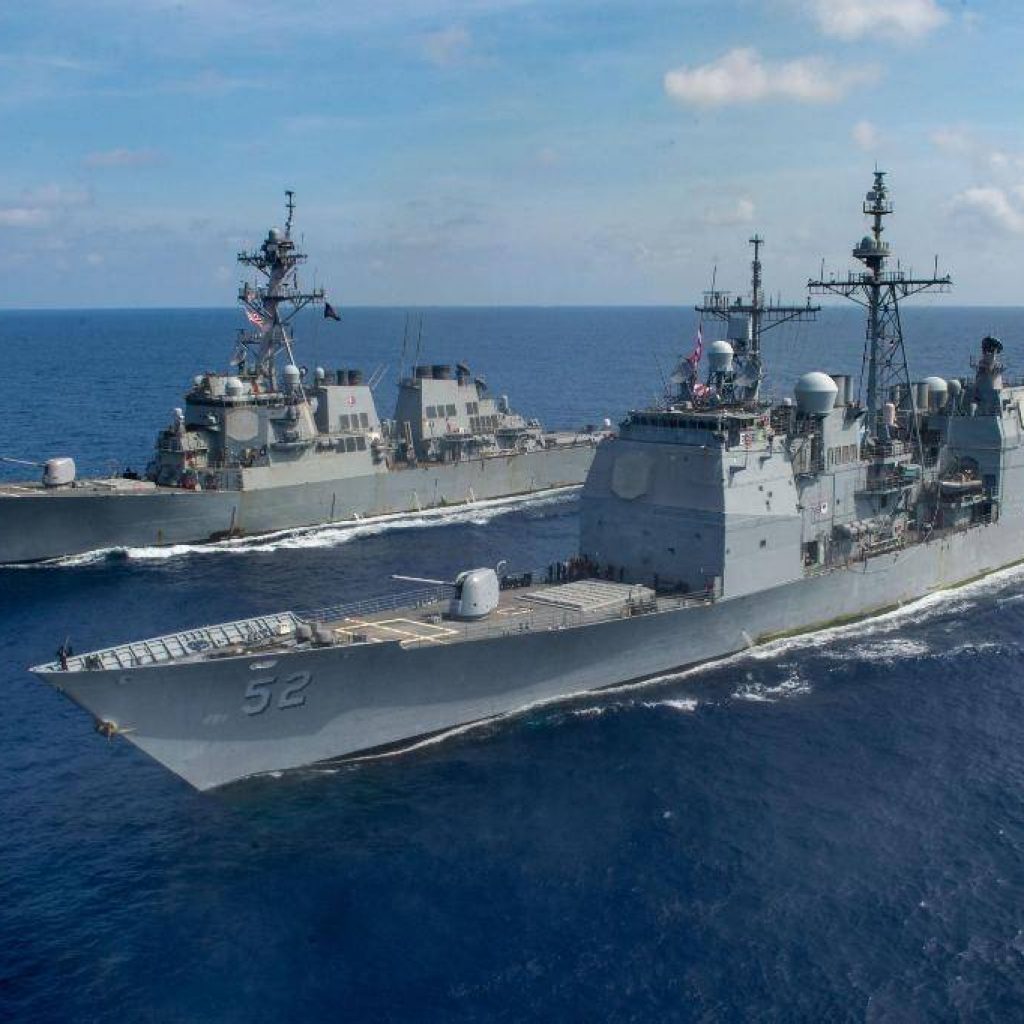
The guided-missile destroyer USS Benfold recently conducted a freedom on navigation operation (FONOP) near the Paracel Islands in the north-western region of the South China Sea, according to a statement from the US Navy’s 7th Fleet.
Vietnam and Taiwan both claim these islands, known in China as the Xisha, but China has controlled them since the 1970s. In the case of any Chinese military action against Philippine resources in the region, the US might use a 70-year-old US-Philippine mutual defence pact, according to a leading US diplomat.
The Chinese operations against Filipino fishermen near the Scarborough Shoal have historically caused tensions. In the Natuna Islands, where the three claim overlapping territory, there are evidence of developing three-way conflicts between China, Vietnam, and Indonesia. Jakarta, which formerly viewed itself as more of a facilitator than an interlocutor, is now becoming actively involved in the dispute.
Indonesia is extending its ties with the United States, and is collaborating with the US to construct a new maritime training centre near Singapore. Japan has sold military ships and equipment to the Philippines and Vietnam in reaction to China’s assertive presence in the disputed zone, to bolster their maritime security capacity and deterring Chinese aggression.
The most critical indicator of the future is the United States’ reaffirmation of its defence obligations to the Philippines which would further determine the scenario and mode of conduct in the South China Sea dispute.