April 22, 2021
3 mins read

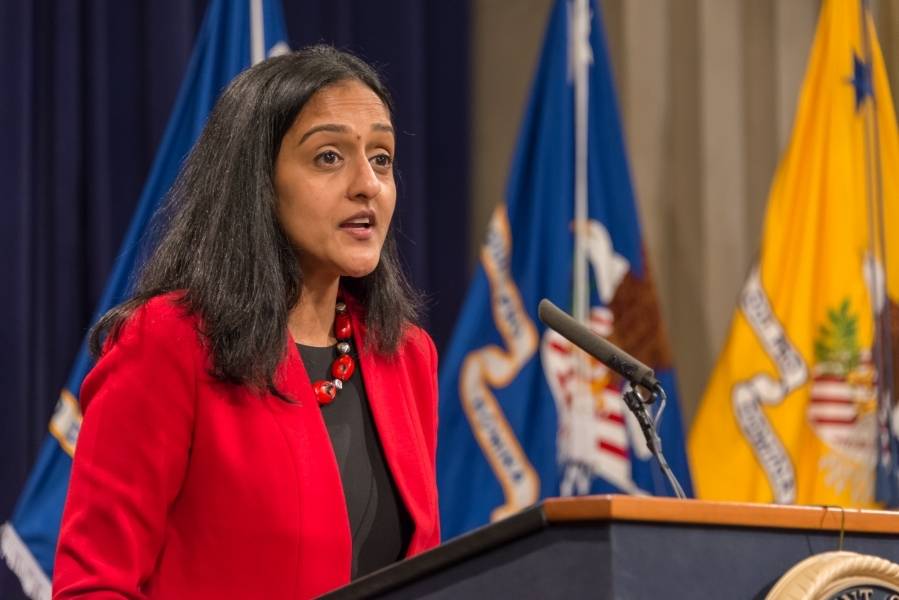
Vanita Gupta confirmed as Associate Attorney-General

The civil rights lawyer won with the help of a breakaway Republican Senator overcoming stiff opposition from her fellow party members, reports Arul Louis.

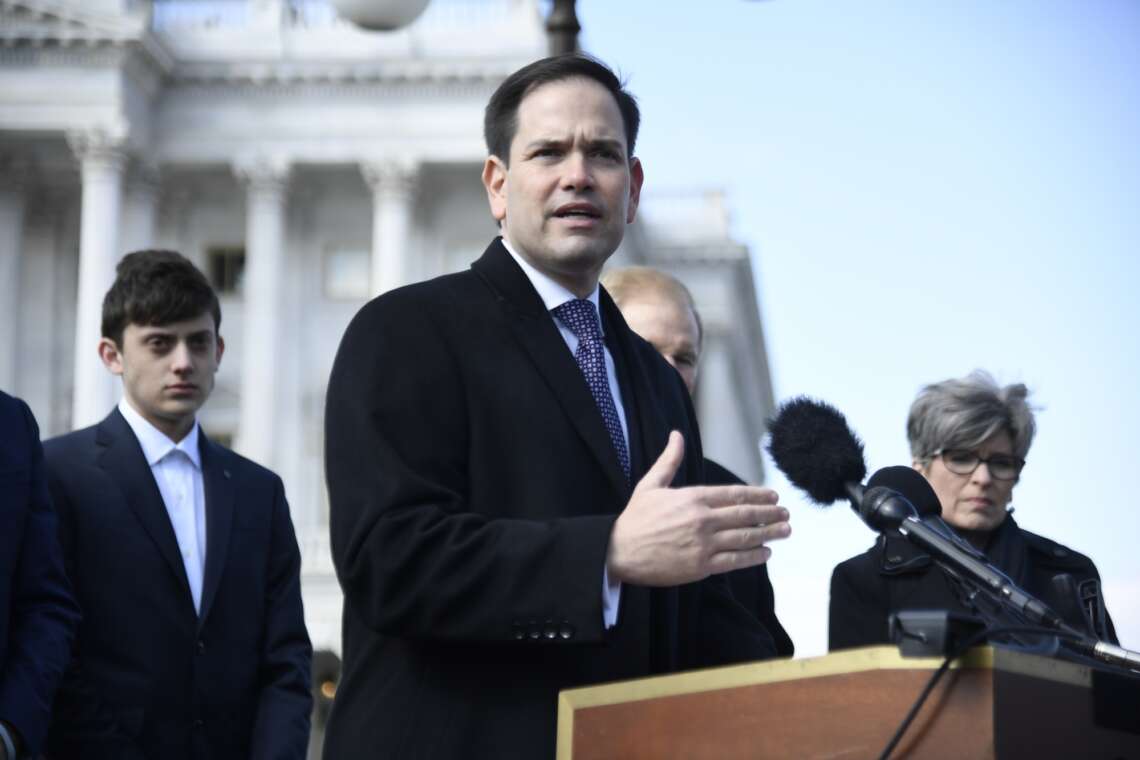
Indian-American civil rights lawyer Vanita Gupta has been confirmed as the US Associate Attorney-General with the help of a breakaway Republican Senator overcoming stiff opposition from her fellow party members who accused the nominee of espousing “radical” policies.
Senator Lisa Murkowski gave her the crucial vote on Wednesday in the 100-member Senate, which is evenly divided between the Republican and Democratic parties, to assume the third-highest position in the Justice Department.
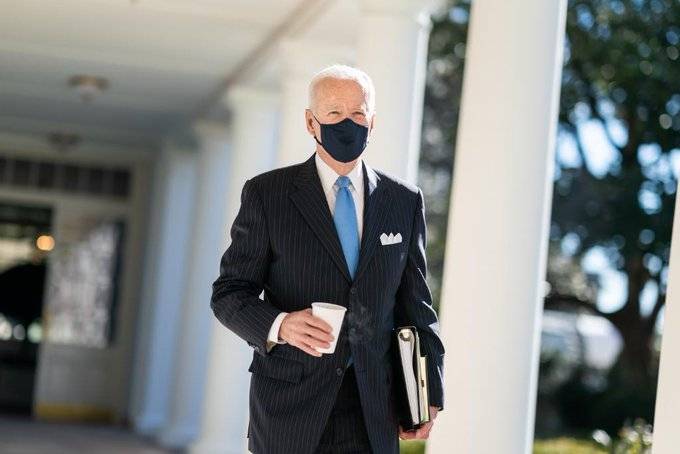
US President Joe Biden

Gupta is a legendary figure in the US civil rights movement having as a newly-minted lawyer won the release of 38 people, most of them African-Americans, who had been wrongly convicted by all-White juries on drug charges in a Texas town and also got them $6 million in compensation.
She went on to become the Principal Deputy Associate Attorney-General and head of the Civil Rights Division during former President Barack Obama’s administration.
Gupta overcame a campaign against her estimated to have run close to a million dollars by conservative and right-wing groups portraying as a “radical” who was against law enforcement.

But she also received the support of other conservative Republicans and law enforcement groups.
The Senate Judiciary Committee, which has to give preliminary approval for Gupta’s confirmation, was deadlocked on her nomination for more than a month and the Senate bypassed it.
Gupta was the second Indian-American nominee of President Joe Biden to run into difficulties in the Senate, which must approve all senior appointments, because of previous policy stances as well as divisive tweets.
Neera Tandon, who was nominated to the important cabinet position of the director of the Office of Management and Budget, withdrew herself from consideration after it became clear that she would face opposition from Democrats in addition to all the 50 Republicans making her confirmation impossible.
But Gupta was able to keep the support of all the Democrats and get one crucial Republican vote in the full Senate.


Vice President Kamala Harris was ready to cast a tie-breaking vote as the Senate president if the votes had been split 50-50.
Murkowsi, who represents Alaska, said that Gupta “has demonstrated throughout her professional career to be deeply, deeply committed to matters of justice.”
Democratic Party Senator Leader Chuck Schumer said: “Not only is Gupta the first woman of colour to ever be nominated to the position, she is the first civil rights attorney ever to be nominated to the position.”
But Republican Party Senate Leader Mitch McConnell called her “way outside the mainstream” and “an activist for left-wing causes” who had attacked Senators.
Appearing before the Senate Judiciary Committee last month, Gupta had apologized for some of her tweets saying that she had “fallen prey” to “the rhetoric (that) has gotten quite harsh over the last several years”.
The campaign against her was spearheaded by the right-wing Judicial Crisis Network which launched an ad campaign accusing her of being soft on crime.

Five Republican Attorneys-General circulated a petition against her confirmation.
Defending Democracy Together (DDT), an organisation of conservatives who had opposed former President Donald Trump, countered with a campaign supporting Gupta, saying that she “has been building bridges across partisan divides, she has the broad backing of law enforcement”.
Three groups of law enforcement officials, Fraternal Order of Police, Major County Sheriffs of America and Federal Law Enforcement Officials Association, also supported her.

Also Read-Indian American nominated as DOL solicitor

Read More-Biden may pick Vanita Gupta as Associate AG

Previous Story

Foods to take for thyroid issues

Next Story

Bill against Chinese threat gets senate node

Previous Story

Foods to take for thyroid issues

Next Story

Bill against Chinese threat gets senate node

Latest from -Top News

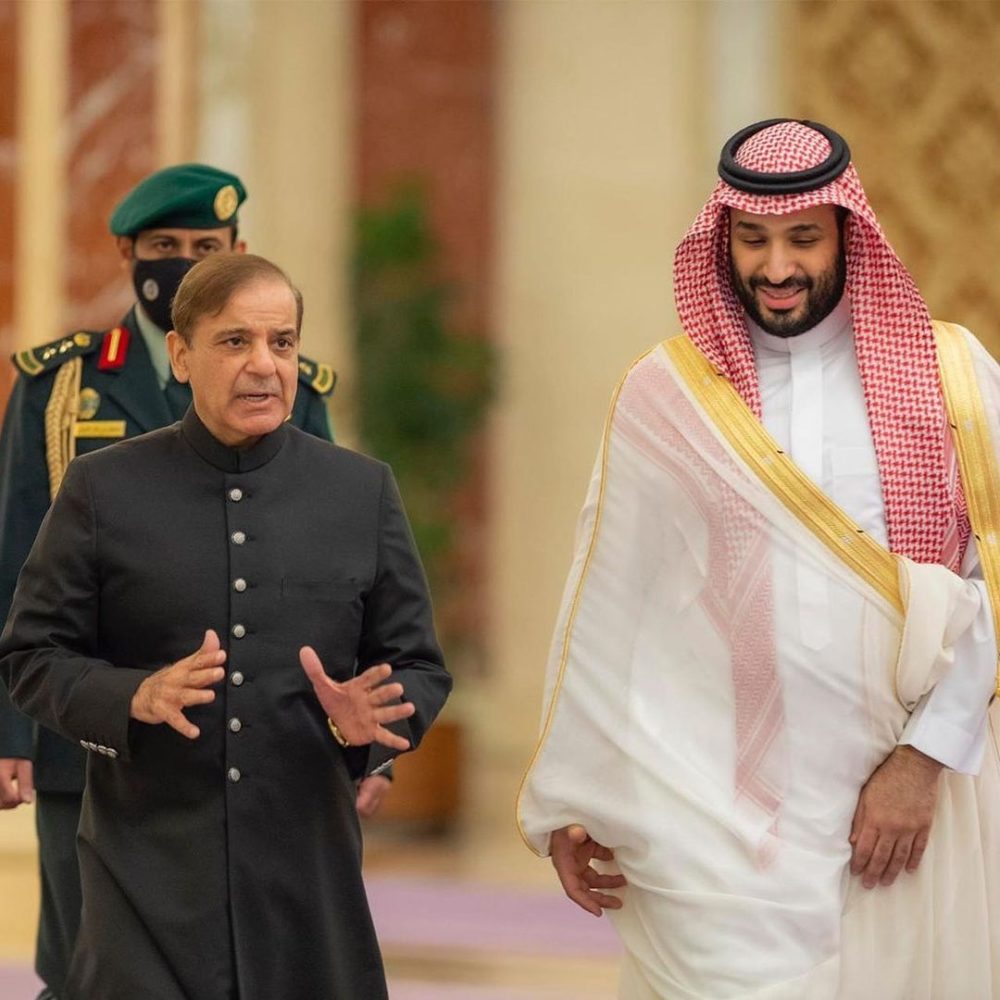
Pakistan Risks Overstretching Itself in Yemen War

Pakistan’s expanding military role in Saudi Arabia amid the Yemen conflict could strain its defence resources and fragile finances…reports Asian Lite News Desk Pakistan’s military involvement in the war in Yemen may prove unsustainable because of mounting financial pressures and competing security demands, according to a new report. Islamabad’s growing military presence in Saudi Arabia risks stretching its defence resources while exposing the country to greater strategic and economic challenges. An article by Andrew Wilson in One World Outlook describes Pakistan’s involvement as a case of “fiscal and strategic overreach”, arguing that the country lacks the financial flexibility to sustain an expanded military commitment. Pakistan’s external finances depend heavily on an International Monetary Fund (IMF) programme, financial support from Gulf countries and remittances from Pakistani workers in the region. The report argues that deeper military involvement in the conflict could place additional pressure on these sources of financial stability. It also warns that deploying troops and military equipment abroad could weaken Pakistan’s capacity to address security challenges along its eastern border and deal with two domestic insurgencies. The move could also draw Islamabad into a conflict it has sought to approach cautiously. A Reuters report in May, citing Pakistani security and government sources, said Islamabad had deployed around 8,000 troops, a squadron of approximately 16 aircraft, mostly JF-17 fighter jets, two drone squadrons and a Chinese HQ-9 air-defence battery to Saudi Arabia. According to those sources, Riyadh was financing the deployment, with Pakistani personnel operating the equipment. The sources also said a confidential agreement contemplated the possibility of deploying up to 80,000 troops. Islamabad has not confirmed those figures, although it has acknowledged its military presence in Saudi Arabia, including the deployment of fighter jets at King Abdulaziz Air Base from April. The One World Outlook article argues that Saudi financial support can cover allowances and operating expenses but cannot easily replace military equipment needed elsewhere or resolve the political and strategic challenges of participating in the Yemen conflict. Pakistan’s defence budget is another concern. For the 2026-27 financial year, the federal government allocated PKR 3 trillion, or approximately $10.8 billion, to defence services. The allocation represents an 18 per cent increase from the original PKR 2.55 trillion provision and amounts to around 2.1 per cent of projected gross domestic product (GDP). Defence spending accounts for approximately 16 per cent of the federal government’s PKR 18.8 trillion expenditure. Military pensions are budgeted separately at PKR 822 billion, while debt servicing costs stand at approximately PKR 8 trillion, more than two-and-a-half times the defence allocation. The report argues that these competing financial obligations leave little room for additional military expenditure without placing further pressure on public finances. Pakistan’s reliance on IMF assistance also limits its fiscal flexibility. The country must meet the conditions attached to the programme, including a primary budget surplus target of 2 per cent of GDP and continued restraint on development spending. According to the article, these requirements make it difficult for Islamabad to finance an additional military commitment without compromising other budgetary priorities. Pakistan’s economic indicators offer limited reassurance. Economic growth for the 2025-26 financial year is estimated at between 3.6 and 3.7 per cent, while inflation reached approximately 10.3 per cent in September following an energy price shock. Foreign exchange reserves stood at around $21.5 billion at the end of September. Although this marks an improvement from the low levels recorded in 2023, the report notes that the reserves cover only a few months of imports. Financial assistance from Gulf partners remains central to Pakistan’s external stability. The article says Islamabad holds approximately $8 billion in Saudi deposits at its central bank. In July, the State Bank of Pakistan said Riyadh had extended the maturity of $5 billion in deposits to December 2028, easing the country’s immediate external financing requirements. A further $3 billion deposit was also extended in the spring. However, the article argues that these arrangements provide temporary relief rather than long-term financial independence, particularly as regional conflict threatens the stability of the Gulf economies on which Pakistan relies. The report concludes that Pakistan faces a difficult balance between supporting Saudi Arabia militarily and preserving the financial and military resources needed to address its domestic and regional challenges.
Go toTop

Don't Miss

Trump, Taliban, Bagram — Pakistan’s High-Stakes Crossroad

The Afghan Taliban is preparing for another war if the

Covid vax to get full FDA approval in August: Fauci

Covid vaccines developed by Pfizer, Moderna and Johnson & Johnson