June 14, 2021
2 mins read

World Bank nod to $60mn fund for Nepal’s higher education

Nurturing Excellence in Higher Education Program builds on Nepal’s previous successful higher education projects supported through results-based financing, said World Bank statement…reports Asian Lite News

The World Bank has approved USD 60 million to improve the quality of Nepal’s higher education, scale up online learning, and expand access to academic institutions for underprivileged students.

“The COVID-19 pandemic has highlighted the critical importance of building back better and prioritizing human capital development,” stated Faris Hadad-Zervos, World Bank Country Director for Maldives, Nepal, and Sri Lanka.

“Improving access to quality higher education and helping students acquire the skills that are in demand in the labor market will contribute to Nepal’s COVID-19 recovery and strengthen its resilience.”

In a press release published on Friday, World Bank said that the Nurturing Excellence in Higher Education Program builds on Nepal’s previous successful higher education projects supported through results-based financing.
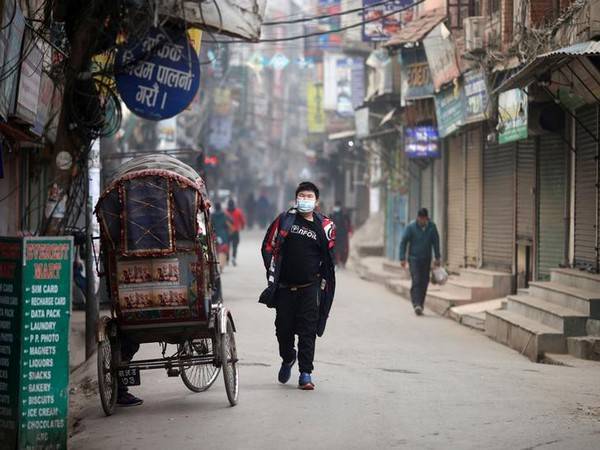
Nepal

It will help the government of Nepal align its higher education sector with labour market needs, boost collaborative research and entrepreneurship, improve governance, and access to quality higher education, especially for disadvantaged students, the release said.

The COVID-19 pandemic has created strong incentives to expand online platforms and blended learning, which the program will help scale up across Nepal’s universities.

“A key priority of the program is to promote the inclusion of disadvantaged students, including those facing economic hardship due to COVID-19,” stated Mohan Aryal, World Bank’s Program Task Team Leader.

“The program will expand targeted scholarships to help disadvantaged students pursue labor market-driven academic programs and support equity grants to higher education institutions in needy and disaster-affected areas in Nepal.”

1st liquid oxygen plant

Nepal Prime Minister KP Sharma Oli has laid a foundation stone virtually for the construction of the country’s first liquid oxygen plant which is expected to help substitute oxygen import from India.

“As they will be insufficient at the time of a pandemic, the liquid oxygen plant will be important in meeting the deficit in oxygen supplies,” Oli said during the virtual inauguration ceremony on Sunday.

Shankar Oxygen Gas Pvt. Ltd, the sole importer of liquid oxygen in Nepal, is setting up its own liquid oxygen plant in the southwestern city of Bhairahawa, reports Xinhua news agency.

Covering an area of 3,716 square metres, the plant will have a production capacity of 60 tons per day, according to the company.

The excess production could be exported to neighbouring countries and used in the industrial sector once the Covid-19 pandemic is over, said Oli.

Some hospitals in Nepal which were relying on imported liquid oxygen were forced to resort to bottled oxygen for several days last month after Indian authorities ordered a halt to exports due to a surging demand for oxygen at home to cope with a deadly second wave of the pandemic.

In May, some Nepal hospitals had to turn away Covid patients due to an acute shortage of medical oxygen and beds as 8,000-9,000 new cases were reported in most days of the month after a second wave hit the nation in April.

In response, the Nepal government had made it mandatory for hospitals with over 100 beds to establish their own oxygen plants. (ANI/IANS)

ALSO READ: India must step up game to support Nepal
Previous Story

Promises on Climate, Covid, Nature Fall Short in G7

Next Story

‘Sunak’s in-laws face £5.5m demand in Amazon India tax dispute’

Previous Story

Promises on Climate, Covid, Nature Fall Short in G7

Next Story

‘Sunak’s in-laws face £5.5m demand in Amazon India tax dispute’

Latest from -Top News

Pakistan Risks Overstretching Itself in Yemen War

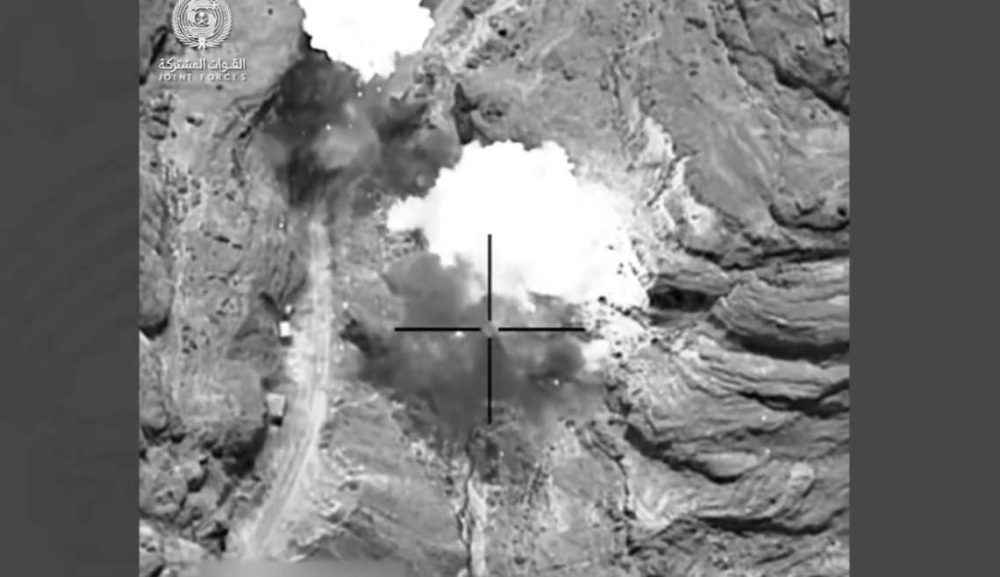
Pakistan’s expanding military role in Saudi Arabia amid the Yemen conflict could strain its defence resources and fragile finances…reports Asian Lite News Desk Pakistan’s military involvement in the war in Yemen may prove unsustainable because of mounting financial pressures and competing security demands, according to a new report. Islamabad’s growing military presence in Saudi Arabia risks stretching its defence resources while exposing the country to greater strategic and economic challenges. An article by Andrew Wilson in One World Outlook describes Pakistan’s involvement as a case of “fiscal and strategic overreach”, arguing that the country lacks the financial flexibility to sustain an expanded military commitment. Pakistan’s external finances depend heavily on an International Monetary Fund (IMF) programme, financial support from Gulf countries and remittances from Pakistani workers in the region. The report argues that deeper military involvement in the conflict could place additional pressure on these sources of financial stability. It also warns that deploying troops and military equipment abroad could weaken Pakistan’s capacity to address security challenges along its eastern border and deal with two domestic insurgencies. The move could also draw Islamabad into a conflict it has sought to approach cautiously. A Reuters report in May, citing Pakistani security and government sources, said Islamabad had deployed around 8,000 troops, a squadron of approximately 16 aircraft, mostly JF-17 fighter jets, two drone squadrons and a Chinese HQ-9 air-defence battery to Saudi Arabia. According to those sources, Riyadh was financing the deployment, with Pakistani personnel operating the equipment. The sources also said a confidential agreement contemplated the possibility of deploying up to 80,000 troops. Islamabad has not confirmed those figures, although it has acknowledged its military presence in Saudi Arabia, including the deployment of fighter jets at King Abdulaziz Air Base from April. The One World Outlook article argues that Saudi financial support can cover allowances and operating expenses but cannot easily replace military equipment needed elsewhere or resolve the political and strategic challenges of participating in the Yemen conflict. Pakistan’s defence budget is another concern. For the 2026-27 financial year, the federal government allocated PKR 3 trillion, or approximately $10.8 billion, to defence services. The allocation represents an 18 per cent increase from the original PKR 2.55 trillion provision and amounts to around 2.1 per cent of projected gross domestic product (GDP). Defence spending accounts for approximately 16 per cent of the federal government’s PKR 18.8 trillion expenditure. Military pensions are budgeted separately at PKR 822 billion, while debt servicing costs stand at approximately PKR 8 trillion, more than two-and-a-half times the defence allocation. The report argues that these competing financial obligations leave little room for additional military expenditure without placing further pressure on public finances. Pakistan’s reliance on IMF assistance also limits its fiscal flexibility. The country must meet the conditions attached to the programme, including a primary budget surplus target of 2 per cent of GDP and continued restraint on development spending. According to the article, these requirements make it difficult for Islamabad to finance an additional military commitment without compromising other budgetary priorities. Pakistan’s economic indicators offer limited reassurance. Economic growth for the 2025-26 financial year is estimated at between 3.6 and 3.7 per cent, while inflation reached approximately 10.3 per cent in September following an energy price shock. Foreign exchange reserves stood at around $21.5 billion at the end of September. Although this marks an improvement from the low levels recorded in 2023, the report notes that the reserves cover only a few months of imports. Financial assistance from Gulf partners remains central to Pakistan’s external stability. The article says Islamabad holds approximately $8 billion in Saudi deposits at its central bank. In July, the State Bank of Pakistan said Riyadh had extended the maturity of $5 billion in deposits to December 2028, easing the country’s immediate external financing requirements. A further $3 billion deposit was also extended in the spring. However, the article argues that these arrangements provide temporary relief rather than long-term financial independence, particularly as regional conflict threatens the stability of the Gulf economies on which Pakistan relies. The report concludes that Pakistan faces a difficult balance between supporting Saudi Arabia militarily and preserving the financial and military resources needed to address its domestic and regional challenges.
Go toTop

Don't Miss

Nepal panel on border issues submits report

Committee’s Coordinator Home Ministry Joint Secretary Jayanarayan Acharya submitted the

Will not ink any loan pact with China, says Nepal PM 

The Prime Minister addressed concerns about rumors of a debt