October 11, 2021
3 mins read

Patel seeks law to tackle public harassment of women

Patel is reportedly concerned that Prime Minister Boris Johnson is blocked to the idea of introducing such a specific new offence, as he is not convinced of the severity of public harassment and believes there is ‘abundant’ existing legislation to tackle the issue, reports Asian Lite News

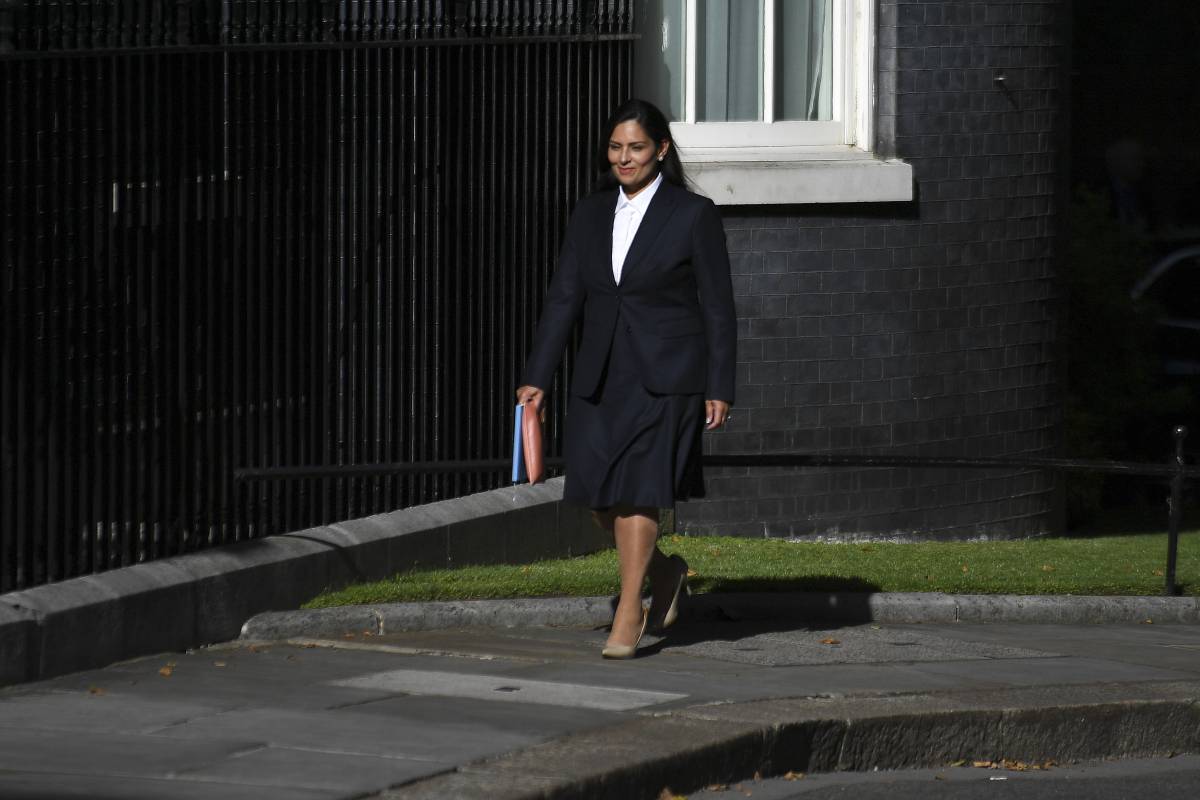
Home Secretary Priti Patel is said to be keen on introducing a specific law against the public sexual harassment of women and girls, in the wake of a series of recent attacks on the streets of London.

Home Office officials are understood to be conducting a legal review into making public sexual harassment “which covers all behaviour that could make women uncomfortable in all public spaces” a crime in its own right.

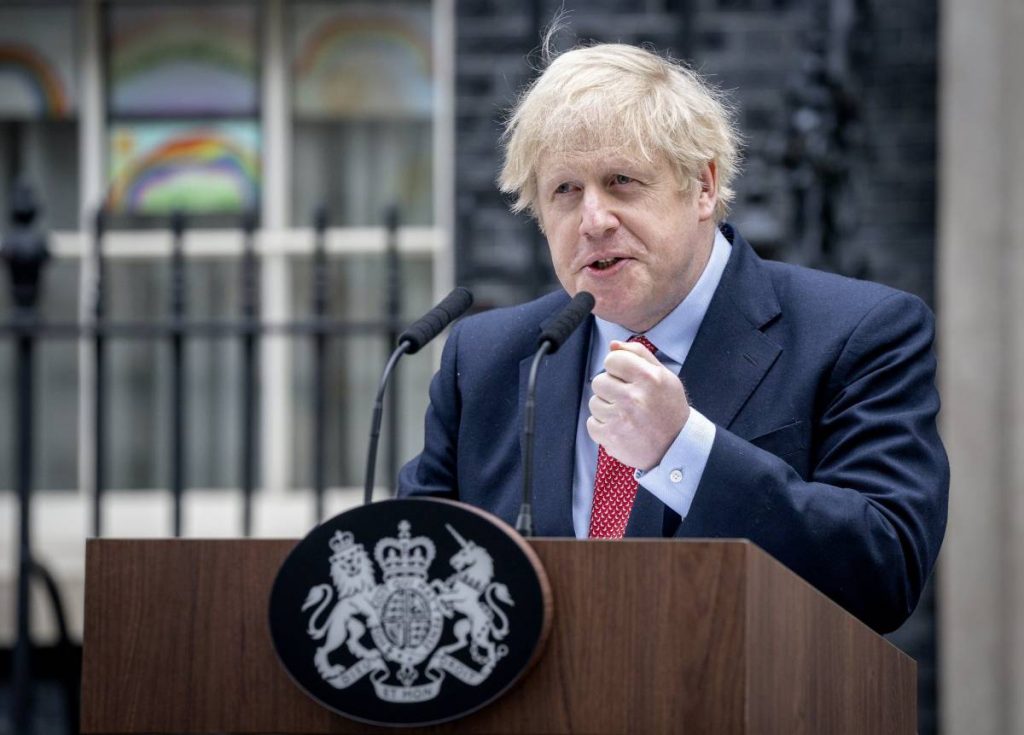
Patel is reportedly concerned that Prime Minister Boris Johnson is blocked to the idea of introducing such a specific new offence, as he is not convinced of the severity of public harassment and believes there is ‘abundant’ existing legislation to tackle the issue.

The ‘Observer’ newspaper quoted sources as saying that the issue has caused some tension between the Prime Minister and his Cabinet minister, who had conducted a public consultation on the issue of tackling violence against women and girls and wants to take firm action against day-to-day harassment they face on the streets.

‘Make no mistake, Boris Johnson is the person blocking and holding this back. He seems to be stuck in the past on this issue,’ an anonymous source told the newspaper.

A senior Home Office source, also requesting anonymity, was quoted as saying: ‘Trying to bring it down to wolf whistling is massively problematic. But we’re going to make this happen.

‘People are prepared to put their political capital behind this, and the Home Secretary [Patel] is among those very much behind it.’
The issue of crimes against women has come under fierce scrutiny since the kidnap, rape and murder of 33-year-old Sarah Everard by serving Metropolitan Police officer Wayne Couzens. Everard was attacked on her way home from a friend’s house in London earlier this year.

Last month, Couzens was sentenced to a whole life sentence, without parole, for the crime and it emerged in court that he had a previous indecent exposure case come up against him.

Indecent exposure was made a sexual crime in Britain almost 20 years ago but such incidents, even when reported to the police, are often not taken seriously.

Priti Patel’s published strategy to tackle violence against women and girls in July, which states that her department is “looking carefully at where there may be gaps in existing law and how a specific offence for public sexual harassment could address those.”

Influential supporters of making public harassment an offence include Victoria Atkins, the former UK safeguarding minister and now justice minister, and Caroline Nokes, Chair of the Women and Equalities Committee.

The Home Office said: “Our recently published tackling violence against women and girls’ strategy sets out that there are a number of offences in place which already capture street harassment. We are committed to ensuring that these laws work in practice. That is why, through new funding to tackle violence against women and girls, we will deepen our understanding of who commits these crimes, why they do so, and how this behaviour may escalate.”

ALSO READ-Rajasthan girl becomes British High Commissioner for a day

READ MORE-Goswami’s impactful narrative on women’s courage

Previous Story

Nigerian security forces rescues 187 abducted victims

Next Story

Ireland warns of further breakdown in EU-UK ties

Previous Story

Nigerian security forces rescues 187 abducted victims

Next Story

Ireland warns of further breakdown in EU-UK ties

Latest from -Top News

Pakistan Risks Overstretching Itself in Yemen War

Pakistan’s expanding military role in Saudi Arabia amid the Yemen conflict could strain its defence resources and fragile finances…reports Asian Lite News Desk Pakistan’s military involvement in the war in Yemen may prove unsustainable because of mounting financial pressures and competing security demands, according to a new report. Islamabad’s growing military presence in Saudi Arabia risks stretching its defence resources while exposing the country to greater strategic and economic challenges. An article by Andrew Wilson in One World Outlook describes Pakistan’s involvement as a case of “fiscal and strategic overreach”, arguing that the country lacks the financial flexibility to sustain an expanded military commitment. Pakistan’s external finances depend heavily on an International Monetary Fund (IMF) programme, financial support from Gulf countries and remittances from Pakistani workers in the region. The report argues that deeper military involvement in the conflict could place additional pressure on these sources of financial stability. It also warns that deploying troops and military equipment abroad could weaken Pakistan’s capacity to address security challenges along its eastern border and deal with two domestic insurgencies. The move could also draw Islamabad into a conflict it has sought to approach cautiously. A Reuters report in May, citing Pakistani security and government sources, said Islamabad had deployed around 8,000 troops, a squadron of approximately 16 aircraft, mostly JF-17 fighter jets, two drone squadrons and a Chinese HQ-9 air-defence battery to Saudi Arabia. According to those sources, Riyadh was financing the deployment, with Pakistani personnel operating the equipment. The sources also said a confidential agreement contemplated the possibility of deploying up to 80,000 troops. Islamabad has not confirmed those figures, although it has acknowledged its military presence in Saudi Arabia, including the deployment of fighter jets at King Abdulaziz Air Base from April. The One World Outlook article argues that Saudi financial support can cover allowances and operating expenses but cannot easily replace military equipment needed elsewhere or resolve the political and strategic challenges of participating in the Yemen conflict. Pakistan’s defence budget is another concern. For the 2026-27 financial year, the federal government allocated PKR 3 trillion, or approximately $10.8 billion, to defence services. The allocation represents an 18 per cent increase from the original PKR 2.55 trillion provision and amounts to around 2.1 per cent of projected gross domestic product (GDP). Defence spending accounts for approximately 16 per cent of the federal government’s PKR 18.8 trillion expenditure. Military pensions are budgeted separately at PKR 822 billion, while debt servicing costs stand at approximately PKR 8 trillion, more than two-and-a-half times the defence allocation. The report argues that these competing financial obligations leave little room for additional military expenditure without placing further pressure on public finances. Pakistan’s reliance on IMF assistance also limits its fiscal flexibility. The country must meet the conditions attached to the programme, including a primary budget surplus target of 2 per cent of GDP and continued restraint on development spending. According to the article, these requirements make it difficult for Islamabad to finance an additional military commitment without compromising other budgetary priorities. Pakistan’s economic indicators offer limited reassurance. Economic growth for the 2025-26 financial year is estimated at between 3.6 and 3.7 per cent, while inflation reached approximately 10.3 per cent in September following an energy price shock. Foreign exchange reserves stood at around $21.5 billion at the end of September. Although this marks an improvement from the low levels recorded in 2023, the report notes that the reserves cover only a few months of imports. Financial assistance from Gulf partners remains central to Pakistan’s external stability. The article says Islamabad holds approximately $8 billion in Saudi deposits at its central bank. In July, the State Bank of Pakistan said Riyadh had extended the maturity of $5 billion in deposits to December 2028, easing the country’s immediate external financing requirements. A further $3 billion deposit was also extended in the spring. However, the article argues that these arrangements provide temporary relief rather than long-term financial independence, particularly as regional conflict threatens the stability of the Gulf economies on which Pakistan relies. The report concludes that Pakistan faces a difficult balance between supporting Saudi Arabia militarily and preserving the financial and military resources needed to address its domestic and regional challenges.
Go toTop

Don't Miss

‘Tax may go up if insurance scrapped’

Some Tory MPs now believe the Conservative party is planning

UK, Norway Ink Defence Pact

Under the agreement, the navies from the two Nato members