Take vitamins prescribed by the doctor: You will have to do so as per the instructions of the expert. Stay in touch with the doctor if you have any doubts or queries…writes Sukruta Mokadam
Prenatal infections are common in women, which is why it is critical to keep every detail in mind. Before becoming pregnant, a woman should ensure that she is immunised. Prenatal infection prevention is critical for both the baby’s and the mother’s health.

Here are some more pointers to keep in mind:
Hand washing: After using the restroom, before handling food, blowing your nose, touching your pet, or touching any dirty object washing hands can all help to keep germs at bay.
Personal items: Avoid sharing personal items with anyone.
Clean your fingernails: To avoid infection, remember to clean your fingernails, between your fingers, and around your wrists.
Influenza (flu) vaccine: Women who are pregnant should get the influenza (flu) vaccine. Vaccines will protect the mother from contracting a vaccine-preventable disease and will reduce the risk of exposure to the baby. Some vaccines cannot be given directly prior to or during pregnancy, consult with your doctor about vaccines.
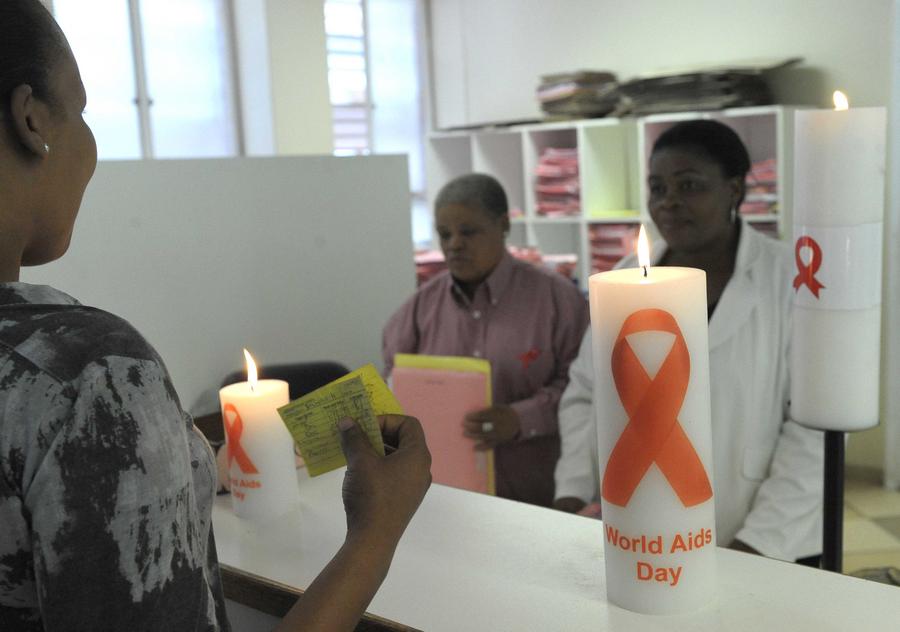
Get tested for sexually transmitted infections (STIs): It’s essential to understand if you have an STI when you’re pregnant, as it can take a toll on you and the baby. If you do test positive for an STI, speak to your doctor about what you can do to safeguard yourself and the baby. Some STIs are treatable while you’re pregnant.
Avoid people who have an infection: Maintain a safe distance from anyone who has one of these infections or has failed to get vaccinated before pregnancy. During the COVID-19 pandemic, wear a mask, avoid crowds, and practise social distancing. Try to disinfect frequently touched surfaces, avoid going to crowded places, sanitise your hands, and do not be around sick people.
Take vitamins prescribed by the doctor: You will have to do so as per the instructions of the expert. Stay in touch with the doctor if you have any doubts or queries.
Avoid Unpasteurized (Raw) Milk and Foods: You should avoid unpasteurized milk and foods because they are high in bacteria.
Go for check-ups and follow-ups: You will have to schedule regular appointments and also go for follow-ups. Doing so can help you stay informed regarding your health.
(Dr. Sushruta Mokadam, Senior Consultant Obstetrician & Gynecologist, Motherhood Hospital)
ALSO READ-Feel Good: Unique collection to break societal norms