The plea contended that the high court failed to note that the Karnataka Education Act, 1983, and the Rules made thereunder, do not provide for any mandatory uniform to be worn by students…reports Asian Lite News
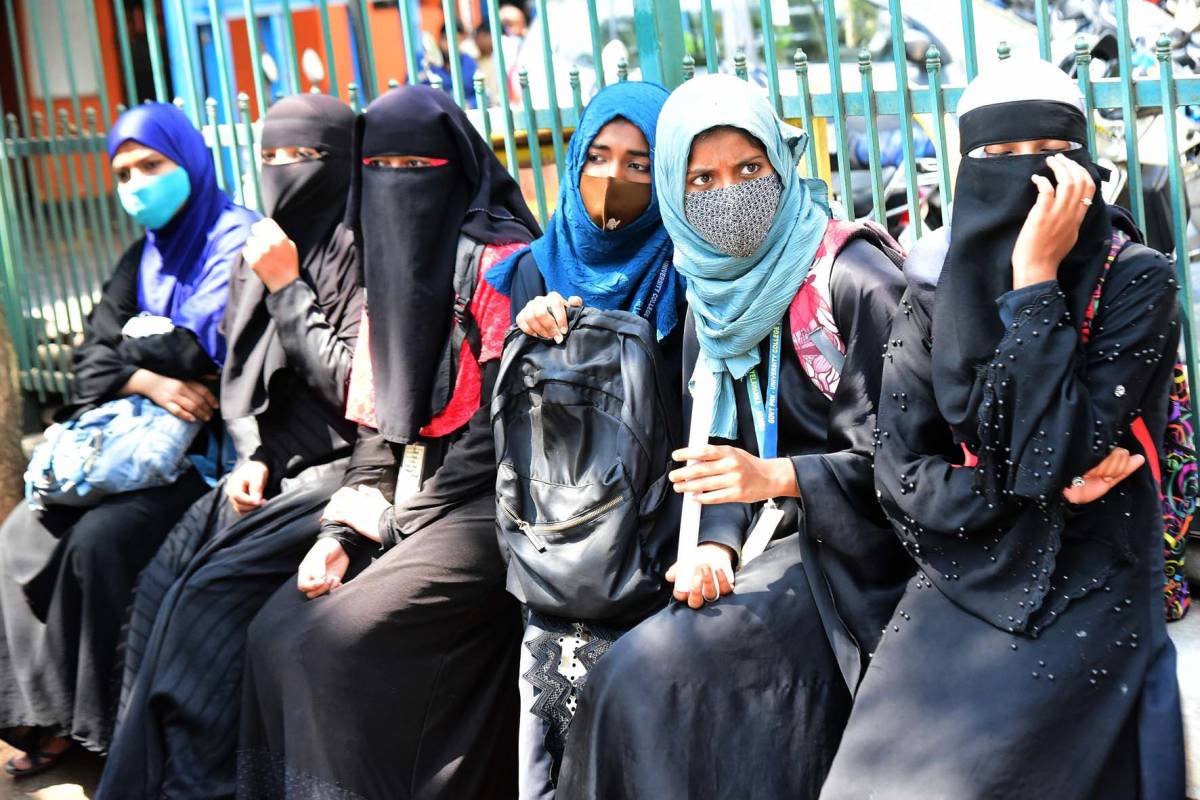
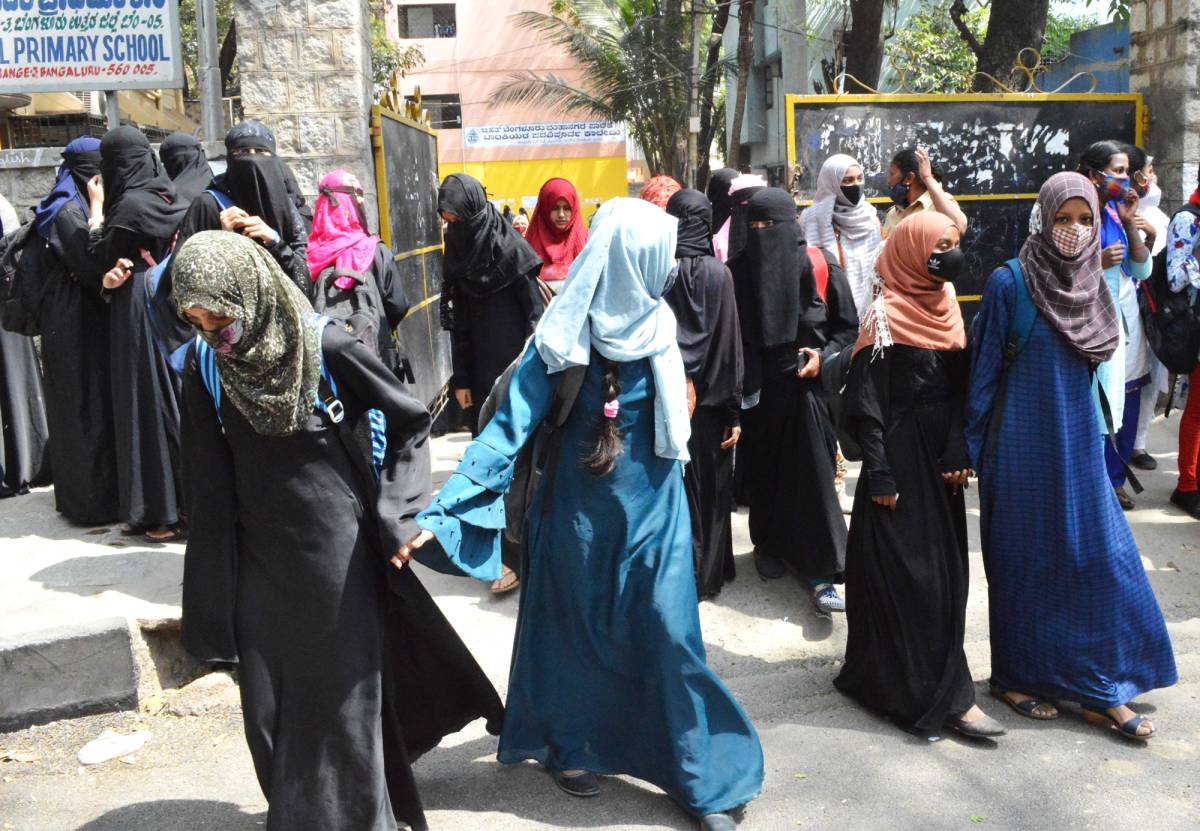
A plea has been moved in the Supreme Court challenging the Karnataka High Court order on Tuesday dismissing all petitions seeking direction for permission to wear hijab in classrooms.
The plea, filed by two Muslim students, Manan and Niba Naaz, through advocate Anas Tanwir, said: “The Petitioners most humbly submit that the High Court has erred in creating a dichotomy of freedom of religion and freedom of conscience wherein the court has inferred that those who follow a religion cannot have the right to conscience.”
The plea contended that the high court failed to note that the Karnataka Education Act, 1983, and the Rules made thereunder, do not provide for any mandatory uniform to be worn by students.
“The High Court has failed to note that the right to wear a Hijab is protected as a part of the right to conscience under Article 25 of the Constitution. It is submitted that since the right to conscience is essentially an individual right, the ‘Essential Religious Practices Test’ ought not to have been applied by the Hon’ble High Court in this instant case,” it said.
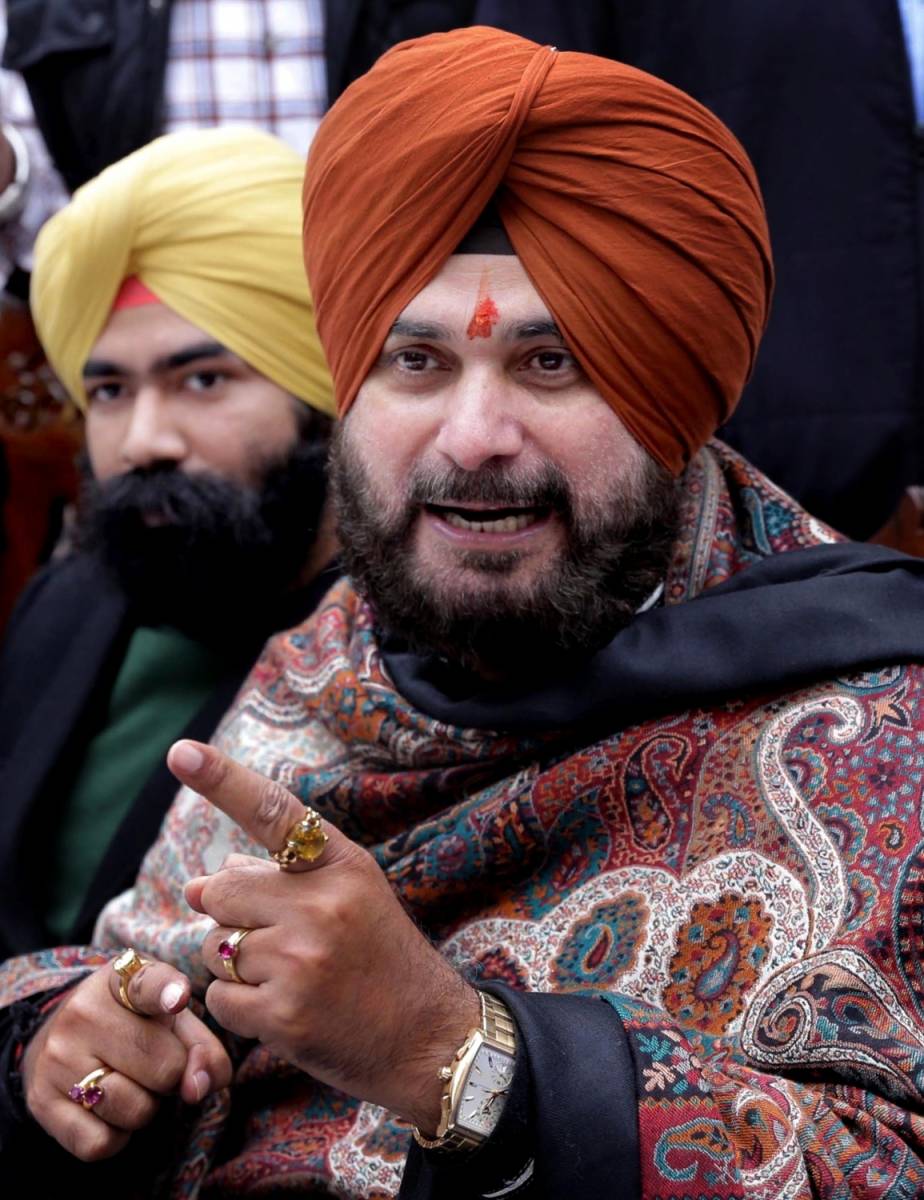
“The High Court has failed to note that the Indian legal system explicitly recognises the wearing/carrying of religious symbols. It is pertinent to note that Section 129 of the Motor Vehicles Act, 1988, exempts turban-wearing Sikhs from wearing a helmet,” it said, and also cited rules made by the Ministry of Civil Aviation, allowing Sikhs to carry kirpans on the aircraft.
The plea added that this “step-motherly behaviour” of government authorities has prevented students from practising their faith which has resulted in an unwanted law and order situation.
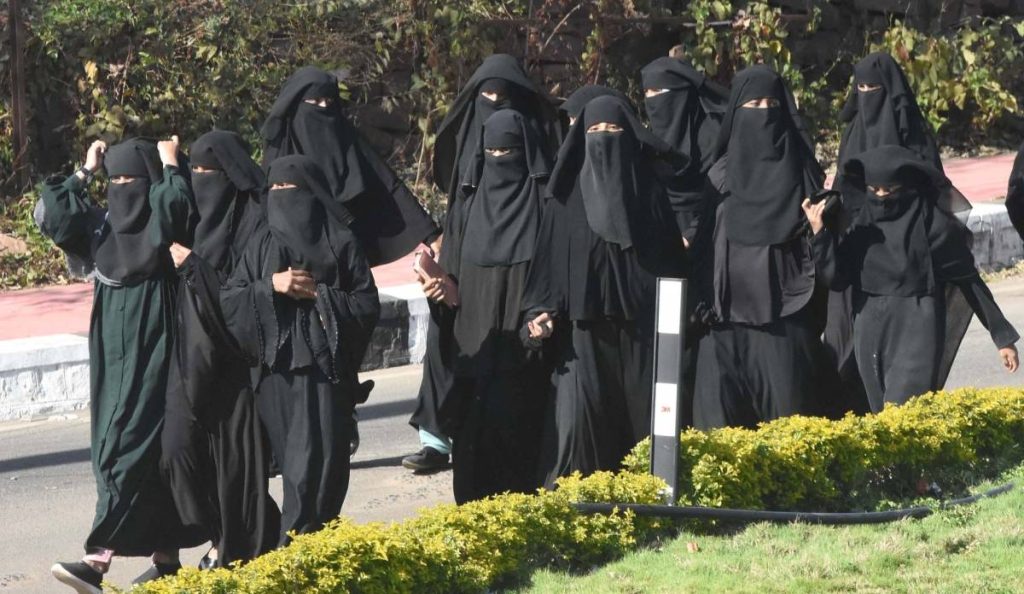
“However, the High Court in its impugned order had vehemently failed to apply its mind and was unable to understand the gravity of the situation as well as the core aspect of the Essential Religious Practices enshrined under Article 25 of the Constitution of India,” it said.
The high court, in its judgment, said “wearing of hijab is not an essential part of Islam. Prescription of uniform is constitutional and students can’t object to it”.
The bench headed by Chief Justice Ritu Raj Awasthi said: “We are of the considered opinion that wearing a hijab by Muslim women does not form any essential form of practice in Islamic faith. The prescription of school uniforms is only a reasonable restriction and are constitutionally permissible which the students cannot object.”