He strived for Hindu-Muslim unity always. One of his prominent poems is “Duniyahas Aaye Baeji Baeji, Samith Karo Baejiwath”, which translates as We had come to the world so that we may live together just like brothers…reports Asian Lite News
Kashmir Valley is famous all over the world for its natural beauty, green meadows, Sonamarg, Gulmarg and Pahalgam, snow-capped mountains, apple and almond orchards, crafts and tourism, elegant Pashmina shawls, culture, heritage and hospitality. Amir Khusrao’s poetry is the best way in entire globe to describe the incredible beauty that nature has bestowed upon Kashmir.
“Agar Firdaus Bar Roo-e-Zameen Ast
Hameen ast-o Hameen ast-o Hameen ast”.
“If there is a paradise on earth, it is here, it is here, it is here”.
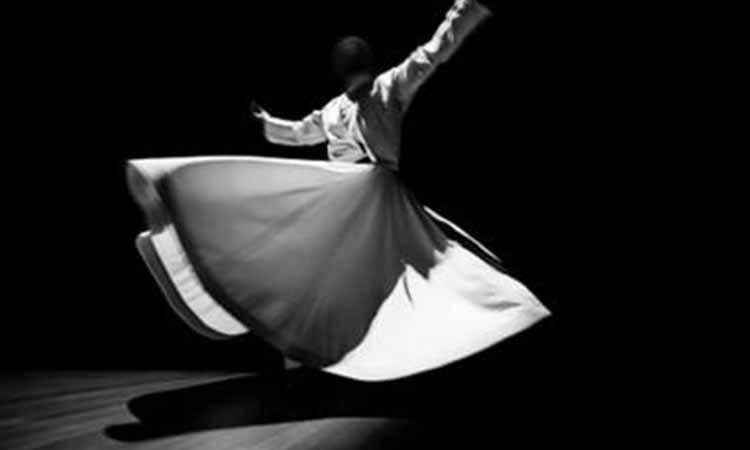
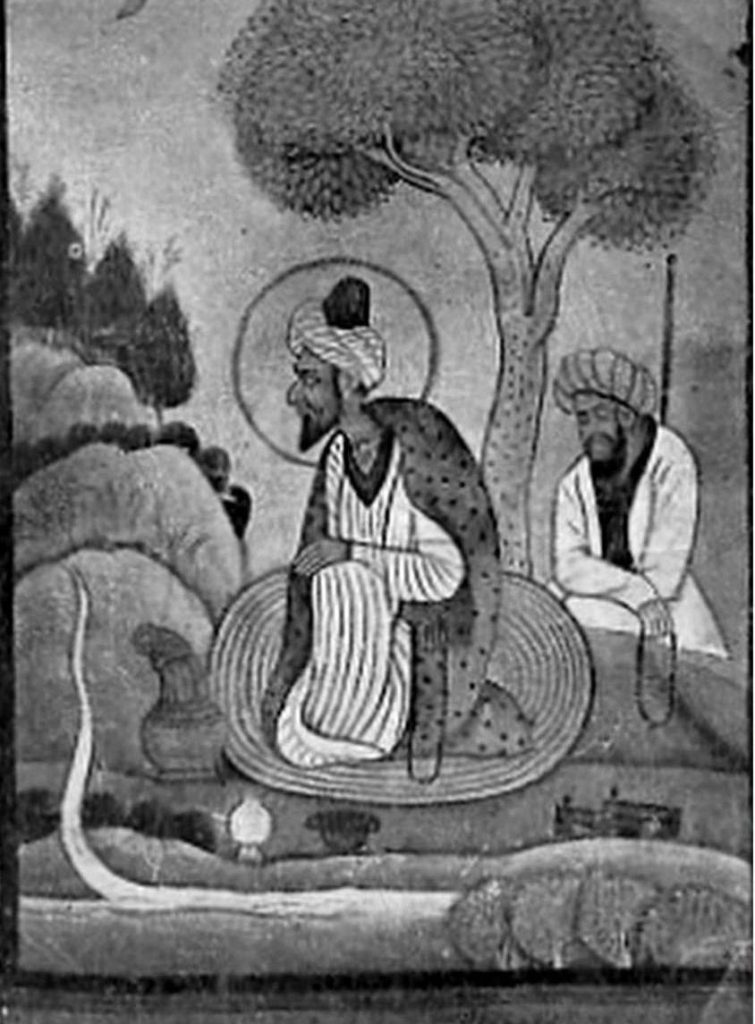
However, Kashmir is equally known as “Pir Waer” an alcove of Sufis and Saints. To establish an atmosphere of peace, love, compassion, togetherness, brotherhood, and communal harmony in Kashmir, Sufi Saints travelled great distances. The development of the Kashmiri ethnic identity has been significantly influenced by the Sufi humanistic philosophy.
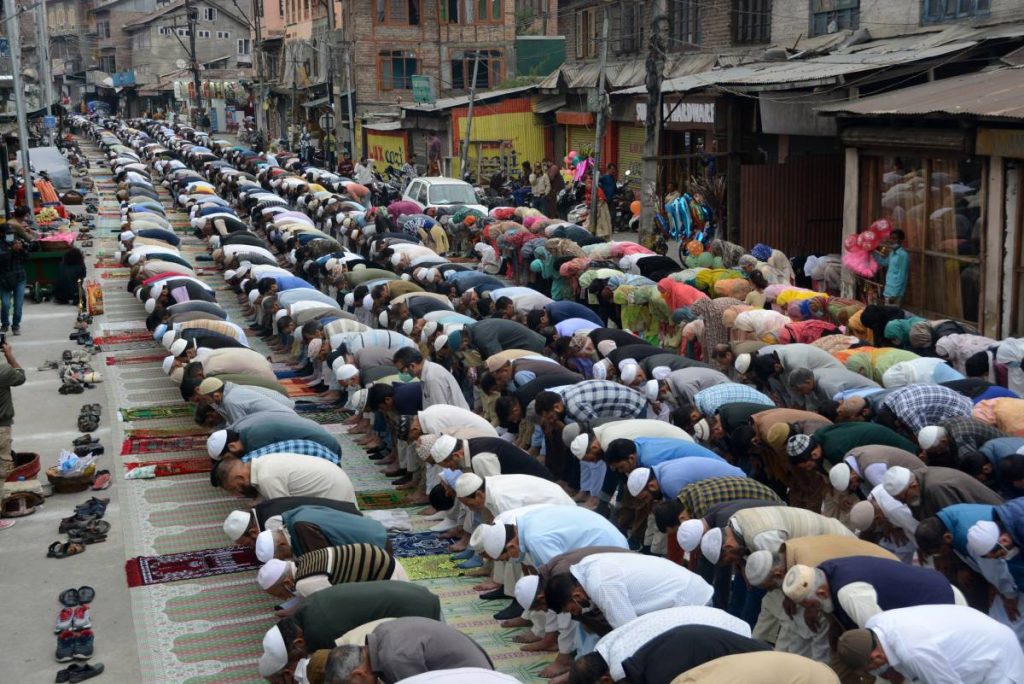
The Kashmir valley’s socio-religious harmony, manifested in the form of a particularly rich and distinctive composite culture known as Kashmiriyat throughout the medieval period, was the result of the Sufis’ genuine promotion of humanism at the time.
Pandits and Muslims in Kashmir share a number of rituals and beliefs related to Sufism and both groups place a great deal of devotional value on the many Sufi shrines that dot the Valley. For many years, different communities coexisted peacefully in Kashmir.
Sufism’s dedication to the tolerance and non violent ideals of Islam, as prescribed by the Holy Quran, fosters religious harmony and brotherhood. Sufism as a whole offers a solution for improving the religious tolerance of a multi religious society like Jammu and Kashmir.
Sheikh Noor ud Din Noorani RA, the famous sufi saint of Kashmir spread his teachings or message through poems, commonly known as shruks. His poems have four to six lines each and evolve around religious themes, highlight moral principles and often call for peace.
He strived for Hindu-Muslim unity always. One of his prominent poems is “Duniyahas Aaye Baeji Baeji, Samith Karo Baejiwath”, which translates as We had come to the world so that we may live together just like brothers.
Likewise, the teachings of all other sufi saints promote peace, harmony among communities, and brotherhood. However, Kashmir is becoming a source of misery for both residents and non residents because of the uncertainty that has persisted for a decade and been promoted by fringe groups, The extremism is pulling apart the fundamental foundation of all of these things.
It is pertinent to mention that the ongoing conflict in Kashmir has fuelled the flames by shattering Kashmiriyat and communal harmony, which led to mass killings, genocides, and the exodus of Kashmiri Pandits from the valley.
Religious fanatics have proliferated in Kashmir over the past few years, demanding that Islam be brought back to its original purity. Out of a population of around 8 million, they currently boast of having more than 1.5 million followers. Foreign forces with a malicious religious agenda want to eradicate Sufi tradition and replace it with Extremism.
Sufism is a subset of Islam that Kashmiris have long accepted, as opposed to political Islam, in which Muslim Sufi saints’ advocated religious tolerance and pluralism.
As funded and spread extremist Islam made significant inroads into Kashmiri society, the insurgency there purged the society of its native characteristics. A variety of groups were active in Kashmir and it was simple for them to deceive the gullible people in Kashmir.
The gentle Sufi teachings are losing their resonance in Kashmir as some elements are bringing their own rigid form of Islam, and when many Kashmiris are setting aside their spiritual growth in favor of the rest of the things.
The mainstay of Kashmir’s tolerance and coexistence has been our Sufism, which has come under attack from forces opposed to tolerance and coexistence.
This is something that we, the people of Kashmir, must keep in mind. We cannot have a peaceful, tolerant and progressive society unless Sufism is brought back to its age-old splendour.
If the lost culture of Kashmiriyat/Sufism is revived and the gun culture is reduced, peace may return to the Valley. This realization and self-action must come from the state’s citizens.
For the benefit of their future generations, adherents of a Sufi Islam must find their voice. If the nation needs to find a solution to the Kashmir crisis, it might be time to leave them in limbo to make room for the moderate voices.
In this hour of crisis, the people of Kashmir must unite and support the administration’s efforts to impose peace in Kashmir, in order to put Jammu and Kashmir on the path of development and put an end to the senseless killings and bloodshed.
I urge Kashmiris not to stray from their native identity, ethos, and culture and succumb to extremism, an alien ideology. Let’s work together to bring back Kashmir’s peace and tranquility.