The metropolis of Karachi is an age-old victim of various heinous crimes. For over three decades, Karachi has been an epicenter of target killings for reasons ranging from ethno-political to sectarian disputes and from land mafia rivalries to personal vendetta and political outrage. During the last couple of years, Karachi has seen frequent outbreaks of violence which have claimed hundreds of lives of innocent people … A special report by Dr Sakariya Kareem
Over 56,500 cases of street crime have been reported in Karachi, the financial hub of Pakistan, during the current year. Over 19,000 mobile phones were snatched from citizens, while 104 cars were forcefully taken and 1,383 bikes were stolen. Around 35,000 citizens were deprived of their motorbikes during various incidents in the city. Moreover, due to such lawlessness, at least 56 people have lost their lives while resisting street criminals and 269 were injured as a result. Around 303 cases of house robberies have been reported in Karachi.
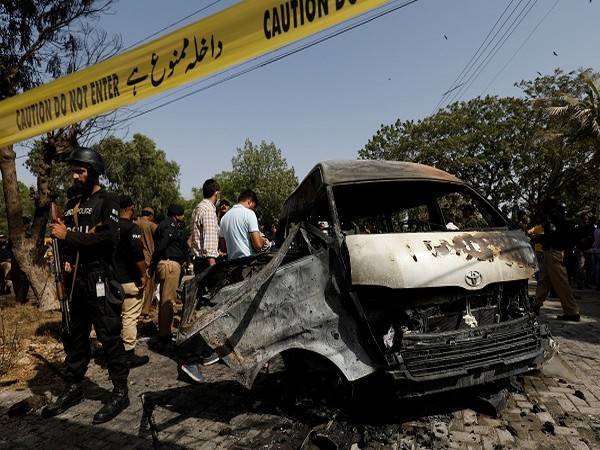
Interestingly, according to Sindh Police’s Crime Statistics of 2022, there have been 54 cases of murder; 98 cases of rioting; 59 cases of assault on police; 221 cases of kidnapping/abduction; 173 cases of burglary in Karachi.
Earlier in August 2022, Chief Minister of Sindh Syed Murad Ali Shah issued directives to clear Karachi of street criminals while presiding over a meeting on law and order in the province. “Karachi needs to be cleaned of street criminals,” said Ali Shah in the meeting. He also ordered representatives of police to prevent kidnapping incidents and restrain dacoits in the province. He also directed them to take action against illegal encroachments and land-grabbers.
The metropolis of Karachi is an age-old victim of various heinous crimes. For over three decades, Karachi has been an epicentre of target killings for reasons ranging from ethno-political to sectarian disputes and from land mafia rivalries to personal vendetta and political outrage. During the last couple of years, Karachi has seen frequent outbreaks of violence which have claimed hundreds of lives of innocent people. The recent history of violence in Karachi underlines one point clearly: the city is quickly falling victim to the temptations of ‘power and influence’ on the part of political players. Besides, the ethnic factor is deeply entrenched in the ongoing criminal and political violence in the city. Pashtuns, who are estimated to constitute 20-25 per cent of Karachi’s population have been politically marginalized in the city, but now they are asserting themselves and accordingly rearrangements in the political spectrum are causing violent episodes. Furthermore, the flocking of suspected terrorists from tribal areas due to the ongoing military operations in the tribal regions further complicates the situation.
The political rioting and killings are to be blamed on violence, largely powered by antagonism between the local chapters of three political parties: the Pakistan People’s Party (PPP), the mostly Pashtun Awami National Party (ANP) and the Muttahida Quami Movement (MQM). The MQM remains Karachi’s dominant political party and represents the city’s majority Urdu-speaking community – the descendants of Muslim migrants from India at the time of partition in 1947. But, since 2006, MQM has been increasingly feeling the pressure exerted by the growth of the Pashtun community in Karachi. Arriving here in thousands, the Pashtun immigrants from Afghanistan and Khyber Pakhtunkhwa are in competition for land and jobs with the Urdu-speaking community, causing further strife.
Organised crime and gang wars have grown in Karachi over the past 35 years and now assume a major economic and political role in the city. Resultantly, narco crime is also a commonplace activity in the city. It all started with the Afghan war of 1979 and the incoming of people from the other side of the border. The impact of the Afghan drug trade was multi-faceted. As Karachi became a transit point in the international drug trade, local crime groups became connected to the international drug trade. One immediate effect on the city was the transformation of its crime groups in Lyari, one of the oldest neighbourhoods of Karachi. Another neighbourhood of Karachi, Sohrab Goth, mostly inhabited by Pashtuns, became infamous for the presence of drug smugglers.
Sectarian violence is also ruining the city from within. Like designated areas of narco smugglers, as discussed above, the city is also divided into Shia-Sunni zones. The varied mix of the population has caused not only rampant violence, but also fierce sectarian rioting and disruptions. Shia-dominated areas of Rizvia Society, Malir, Numaish, Ancholi and Jafar-e-Tayyar Society are the areas from where law enforcers expect a vehement response if and when a Shia is killed anywhere in the city. Sunni sectarian groups have strong holds in areas such as Patel Para, Banaras, Nagan Chowrangi, Tawheed Chowk and Quaidabad.
In spite of such violent activities, Inspector General (IG) Police Sindh Ghulam Nabi Memon stated that Karachi’s crime index rating has improved over time. Karachi is currently ranked 129 on the world crime index, at one time Karachi’s ranking was 13, he added. As reported in June 2022, he said that street crime cases in Karachi should be decided on priority, all stakeholders should talk about this issue. He said that Karachi should be as safe as possible, and 44,000 cameras have been installed throughout the city with the help of citizens.
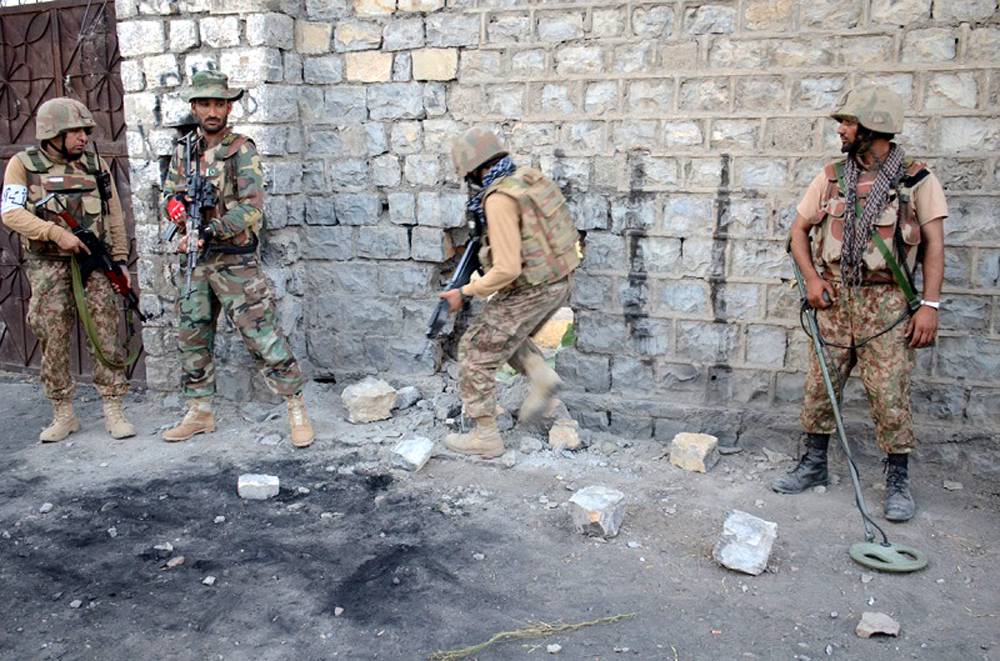
Regarding the ongoing security crisis, a special motorcycle squad, comprising 300 personnel of Karachi Police, has been established, as announced on September 8, by Additional Inspector General of Police, Karachi Javed Alam Odho. He declared the establishment of the Shaheen Force, a specialised squad to tighten the grip on street crimes.
The Karachi Police chief apprised that modern motorcycles, modern weapons with bulletproof vests, reflecting jackets and walkie-talkies had been given to the personnel of the Shaheen Force. Earlier, as reported on February 23, 2021, in a hilarious attempt, Karachi police deployed an armed rollerblading unit of 20 members, to curb theft and harassment on its teeming streets. “We felt we needed to come up with an innovative approach to control street crime,” said Farrukh Ali, chief of the unit, explaining that officers on rollerblades could more easily chase thieves on motorcycles through the city.
Though the police are trying to showcase a clean and proactive image, the Karachi police are notorious for brutality. A few such incidents are:
As reported on September 22, 2022: A 49-year-old businessman and his teenage son, were picked up by police in North Nazimabad, tortured, locked up and released hours later without any charge only because of joining an area residents’ protest against the water supply problem.
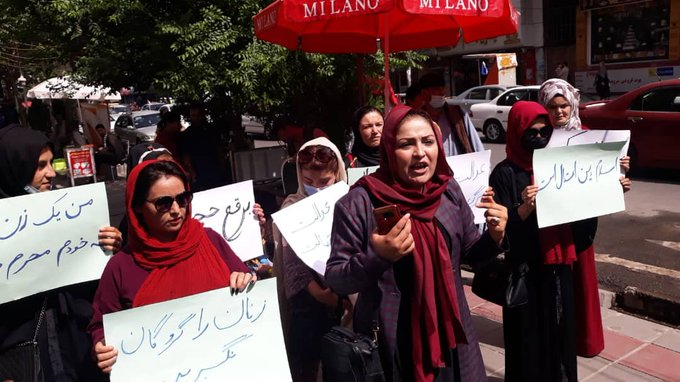
On July 18, 2022: A teachers’ protest rally meant to start at the Karachi Press Club and end at the Sindh Chief Minister House was violently dispersed by police who tortured and arrested demonstrators, with many women protesters also being beaten and loaded into station wagons.
On January 26, 2022: A MQM worker was killed and several others, including women, were injured when police fired tear gas and resorted to baton-charge on their sit-in outside Chief Minister House.
On December 19, 2021: A resident of Korangi was gunned down by police near his home. Three policemen were arrested after the case of murder.
On December 7, 2021: Karachi police arrested a constable and his friend for allegedly shooting to death a college student and injuring another in what the police had initially claimed as an encounter in Orangi Town.
There is no doubt that Karachi police appear to be trigger-happy and perhaps no training or behaviour-change communiqué has taken place in the past many years. Had there been some upgrading, such incidents would have ceased to happen or the police would have changed their behaviour in dealing with people. Even if there is a case of suspicion, the suspect should be arrested or in an extreme case, a cautious shot should be fired that is not fatal. The situation in Karachi is extremely critical, as all the elements involved are aggressive and non-compromising.