August 2, 2022
3 mins read

Al Qaeda leader Ayman al-Zawahiri killed in US drone strike

Al-Zawahiri was killed by two Hellfire missiles fired at him from a CIA-run drone while he was on the balcony of a house in Kabul where he had been staying with his family…reports YASHWANT RAJ

The US killed top Al Qaeda leader Ayman al-Zawahiri in a drone strike in Afghanistan over the weekend dealing the terrorist group a major blow, confirms President Joe Biden.

Al-Zawahiri had overseen the September 11 attacks on the US in 2001, that killed 2,977 people, along with Osama bin-Laden, who was killed by the US in 2011 in Pakistan.

Al-Zawahiri, an Egyptian by birth who had trained to be a medical doctor, had a US reward of $25 million for information leading to his capture. The US holds him responsible also for the bombing of its embassies in Kenya and Tanzania in 1998 and on its naval ship USS Cole in 2000.

He also had a long history of baiting and threatening India. Last April, he praised an Indian student who stood up against efforts to prevent Muslim women from wearing hijab. The next month, in May, he called the abrogation of Article 370 a “slam” for Muslims.

Al-Zawahiri was killed by two Hellfire missiles fired at him from a CIA-run drone while he was on the balcony of a house in Kabul where he had been staying with his family. No members of his family or other civilians were wounded or killed in the strike, according to US officials who briefed reporters.

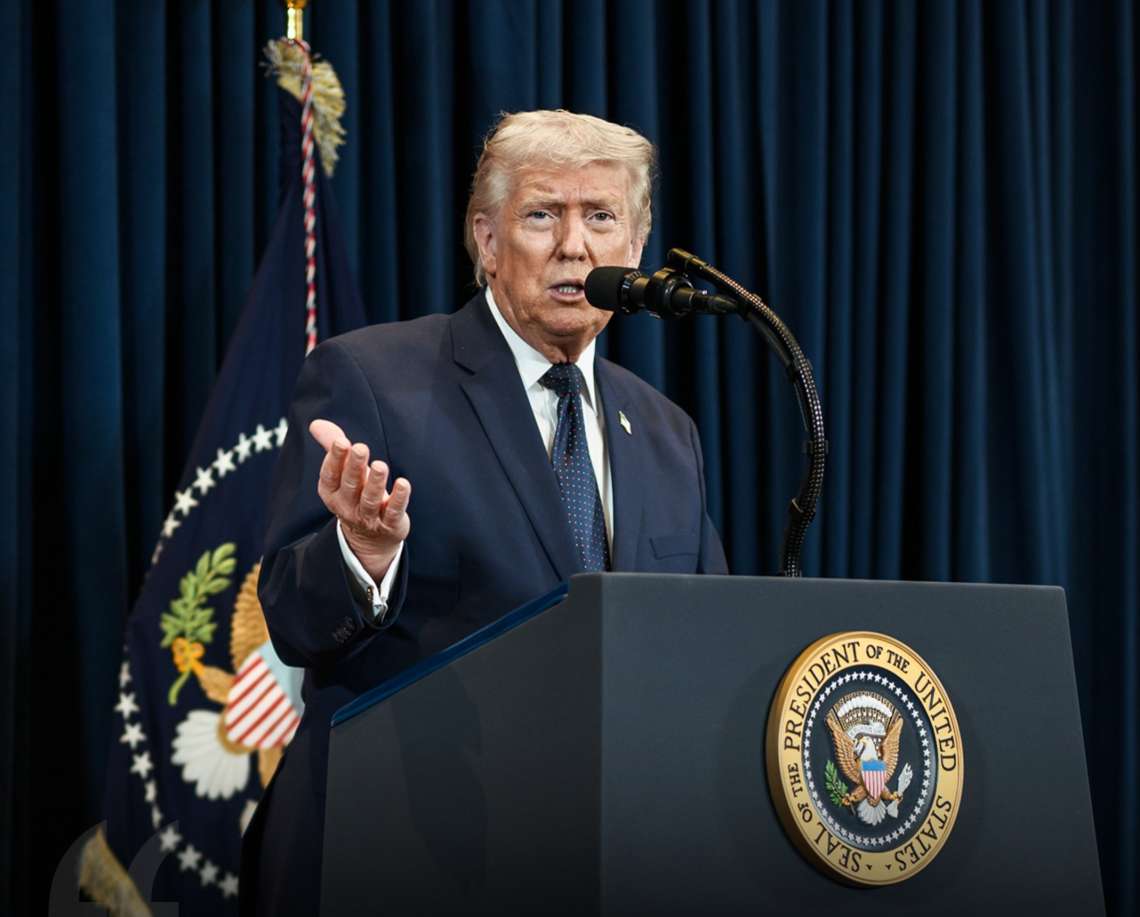
President Biden said in an address to the nation, and perhaps the world, that US intelligence had tracked the Al Qaeda leader to Afghanistan early in the year and he gave the go ahead to the operation to kill al-Zawahiri a week ago on July 25. Officials said Biden reviewed a model of the house early in July to make sure there were no collateral casualties.

“Our intelligence community located Zawahiri earlier this year,” Biden, who is dealing with “rebound positivity” of Covid-19, said in his address.

“He had moved to downtown Kabul to reunite with members of his immediate family. After carefully considering clear and convincing evidence of his location, I authorised a precision strike that would remove him from the battlefield once and for all.”

Biden added: “This mission was carefully planned, rigorously minimising the risk of harm to other civilians. And one week ago, after being advised the conditions were optimal, I gave the final approval to go get him and the mission was a success.”

The US studied Zawahiri’s behaviour and that of his family members for weeks — the women in the family took circuitous routes from and to home to avoid trackers, for instance — to reduce the possibility of hitting others.

The strike came around a year after the US left Afghanistan, which raised questions about its ability to carry out counter-terrorism operation there. The Biden administration had sought to allay such concerns and fears saying it will retain “over-the-horizon” capability from neighbouring countries.

Al-Zawahiri’s most spectacular operations were against the US, but he had India in his crosshairs as well. In April, he came out in support of Muskan Khan, an Indian muslim student who stood up to those trying to prevent Muslim women from wearing hijab to educational institutions.

“May Allah reward her for showing a moral lesson to sisters plagued by an inferiority complex via-a-vis the decadent Western world,” al-Zawahiri said in a video released in April.

A month later in May, he opposed the Modi government’s decision to abrogate Article 370, which ascribed special status to the erstwhile state of Jammu and Kashmir.

“When the Hindu government of India took the infamous decision to annex Kashmir, it was the slap on the faces of the governments ruling over Muslim lands,” he said in a video.

He added: “The decision was taken with full confidence in the support that India enjoys from international criminals and the ineptitude of Pakistan’s intelligence agencies, the de facto rulers of Pakistan.”

ALSO READ: US global political influence shrinking: IRGC

Previous Story

Pelosi’s Asia trip clouded by controversies

Next Story

‘Russia a danger to Europe’

Previous Story

Pelosi’s Asia trip clouded by controversies

Next Story

‘Russia a danger to Europe’

Latest from -Top News

Pakistan Risks Overstretching Itself in Yemen War

Pakistan’s expanding military role in Saudi Arabia amid the Yemen conflict could strain its defence resources and fragile finances…reports Asian Lite News Desk Pakistan’s military involvement in the war in Yemen may prove unsustainable because of mounting financial pressures and competing security demands, according to a new report. Islamabad’s growing military presence in Saudi Arabia risks stretching its defence resources while exposing the country to greater strategic and economic challenges. An article by Andrew Wilson in One World Outlook describes Pakistan’s involvement as a case of “fiscal and strategic overreach”, arguing that the country lacks the financial flexibility to sustain an expanded military commitment. Pakistan’s external finances depend heavily on an International Monetary Fund (IMF) programme, financial support from Gulf countries and remittances from Pakistani workers in the region. The report argues that deeper military involvement in the conflict could place additional pressure on these sources of financial stability. It also warns that deploying troops and military equipment abroad could weaken Pakistan’s capacity to address security challenges along its eastern border and deal with two domestic insurgencies. The move could also draw Islamabad into a conflict it has sought to approach cautiously. A Reuters report in May, citing Pakistani security and government sources, said Islamabad had deployed around 8,000 troops, a squadron of approximately 16 aircraft, mostly JF-17 fighter jets, two drone squadrons and a Chinese HQ-9 air-defence battery to Saudi Arabia. According to those sources, Riyadh was financing the deployment, with Pakistani personnel operating the equipment. The sources also said a confidential agreement contemplated the possibility of deploying up to 80,000 troops. Islamabad has not confirmed those figures, although it has acknowledged its military presence in Saudi Arabia, including the deployment of fighter jets at King Abdulaziz Air Base from April. The One World Outlook article argues that Saudi financial support can cover allowances and operating expenses but cannot easily replace military equipment needed elsewhere or resolve the political and strategic challenges of participating in the Yemen conflict. Pakistan’s defence budget is another concern. For the 2026-27 financial year, the federal government allocated PKR 3 trillion, or approximately $10.8 billion, to defence services. The allocation represents an 18 per cent increase from the original PKR 2.55 trillion provision and amounts to around 2.1 per cent of projected gross domestic product (GDP). Defence spending accounts for approximately 16 per cent of the federal government’s PKR 18.8 trillion expenditure. Military pensions are budgeted separately at PKR 822 billion, while debt servicing costs stand at approximately PKR 8 trillion, more than two-and-a-half times the defence allocation. The report argues that these competing financial obligations leave little room for additional military expenditure without placing further pressure on public finances. Pakistan’s reliance on IMF assistance also limits its fiscal flexibility. The country must meet the conditions attached to the programme, including a primary budget surplus target of 2 per cent of GDP and continued restraint on development spending. According to the article, these requirements make it difficult for Islamabad to finance an additional military commitment without compromising other budgetary priorities. Pakistan’s economic indicators offer limited reassurance. Economic growth for the 2025-26 financial year is estimated at between 3.6 and 3.7 per cent, while inflation reached approximately 10.3 per cent in September following an energy price shock. Foreign exchange reserves stood at around $21.5 billion at the end of September. Although this marks an improvement from the low levels recorded in 2023, the report notes that the reserves cover only a few months of imports. Financial assistance from Gulf partners remains central to Pakistan’s external stability. The article says Islamabad holds approximately $8 billion in Saudi deposits at its central bank. In July, the State Bank of Pakistan said Riyadh had extended the maturity of $5 billion in deposits to December 2028, easing the country’s immediate external financing requirements. A further $3 billion deposit was also extended in the spring. However, the article argues that these arrangements provide temporary relief rather than long-term financial independence, particularly as regional conflict threatens the stability of the Gulf economies on which Pakistan relies. The report concludes that Pakistan faces a difficult balance between supporting Saudi Arabia militarily and preserving the financial and military resources needed to address its domestic and regional challenges.
Go toTop

Don't Miss

KABUL FALL: US Senate bill targets Pakistan

Section 202 of the bill directly mentions Pakistan and calls

Blinken, Jaishankar review priorities ahead of 2+2

Blinken had called Jaishankar last week on the eve of