Most importantly, Baloch successes can be attributed to the emergence of a new nationalist front, which has been forged by uniting former rival factions…writes ATUL ANEJA
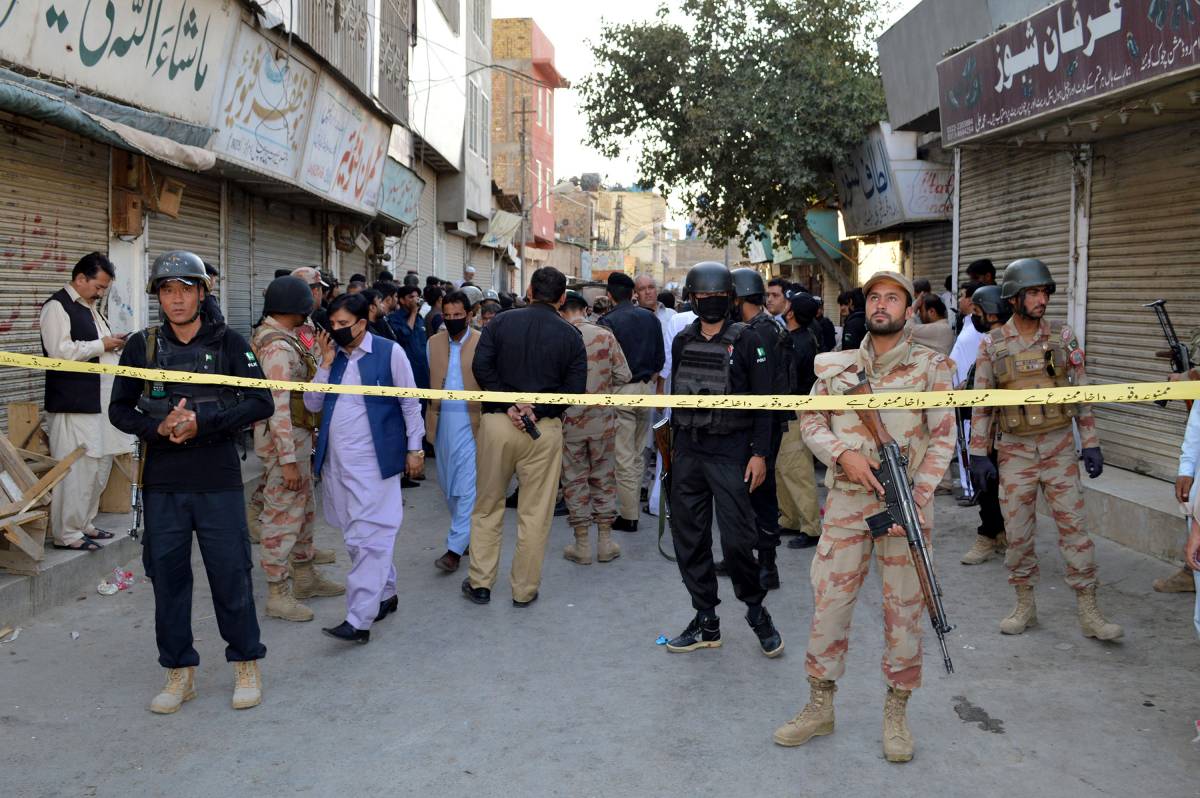
Timed with precision, Baloch nationalists launched two spectacular and unprecedented attacks on Pakistani military camps separated from each other by over 400 kilometres. The impressively coordinated strikes took place when the beleaguered Pakistani Prime Minister Imran Khan was in Beijing to unlock funding for the stalled China Pakistan Economic Corridor (CPEC) projects.
The attacks immediately demolished Khan’s sales pitch to woo the Chinese to revive CPEC funding. Far from believing the Pakistani Prime Minister that Balochistan, through which most of the CPEC passes has been secured and will be stable, it is obvious that Beijing’s confidence in Islamabad’s capacity to secure the corridor would have been severely dented after the bold attacks on the Nushki and Panjgur camps. Clearly, Balochistan is on the boil, and the Chinese know it. Already Beijing has been rattled by the killing of their nine engineers, working at the site of the Dasu power project, during a pivotal attack in July, on a bus in which they were travelling to the site.
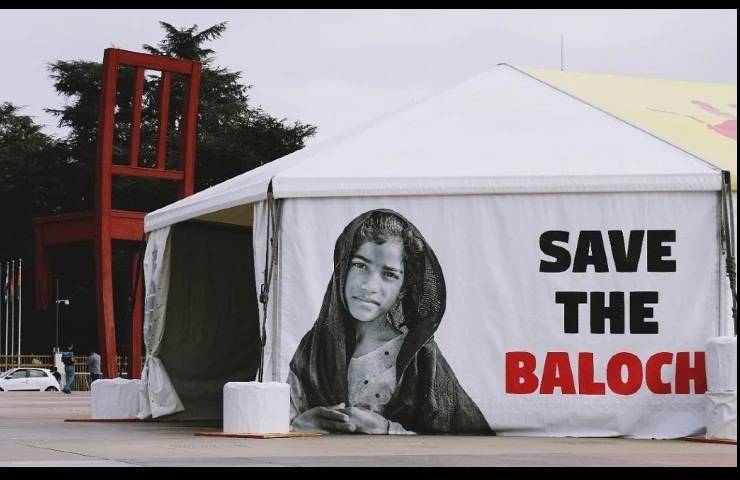
With the collapse of the 62 billion critically important CPEC suddenly featuring on the radar, the Pakistani have gone into overdrive. Pakistan’s Chief of Army Staff, Gen. Qamar Javed Bajwa has already made three visits to Balochistan following the audacious strikes. A red- faced Khan has also headed for the restive province following his embarrassing return from Beijing.
There are several reasons that explain the stunning potency of attacks that are being currently mounted by Baloch nationalists. But most importantly, Baloch successes can be attributed to the emergence of a new nationalist front, which has been forged by uniting former rival factions.
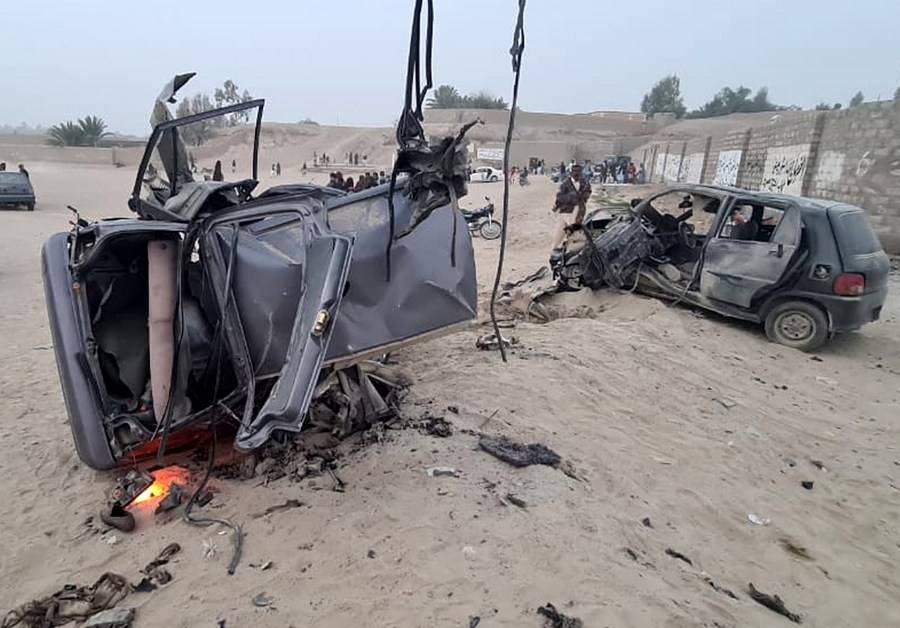
The new front has been formed by merging two nationalistic tracks. First, the Baloch National Army (BNA) has been recently formed by merging the United Baloch Army (UBA) and the Baloch Republican Army (BRA). The two groups unite Balochistan’s two major tribes—the Marris and the Bugtis, which in the past have a history of bitter feuding. The UBA is led by Mehran Marri. He is the son of late Baloch intellectual and ideologue, Khair Bakhsh Marri, who led the tribe for several years.
On the other hand, the BRA is headed by Brahumdagh Bugti. He is the son of Akbar Bugti, a leader of the Bugti tribe who was killed in 2006 in a Pakistani military operation. In fact, Akbar Bugti’s assassination triggered the rise of the BRA as a serious anti-Pakistan insurgent force. BNA announced its formation last month with a bold attack in Lahore’s Anarkali bazaar. The location is important for it announces that the Baloch nationalists have extended their reach into Punjab, the heartbeat of Pakistan.
BRA is the link between the newly formed BNA and the Baloch Liberation Army (BLA) that was formed earlier. There are blood ties that bond the BRA and the BLA. The BLA is led by none other than Mehran Marri’s brother Hyrbyair Marri. The BLA has already demonstrated its clout as a guerrilla force after it claimed responsibility for the stunning attack on Karachi stock exchange in June 2020. That strike also sent a message to China, as Beijing has made significant investments in the financial hub. The BLA had earlier attacked the Chinese consulate in Karachi in November 2018, openly demonstrating its animosity towards China.
The BNA and the BLA, have now joined hands under the umbrella Baluch Raji Ajohi Sangar (BRSA). In fact, the apex BRSA was initially formed in 2018, when the BLA, the Balochistan Liberation Front (BLF), another militant outfit, and the BRA had merged. The BNA’s recent participation has further strengthened the BRSA Front.
Two major factors have provided that feedstock for the formation of an expanded BRSA—”oppression” by the Pakistani state, which has added an altogether new dimension after China decided to partner Islamabad with CPEC. The giant corridor , the flagship of the China’s Belt and Road Initiative (BRI), starts from Balochistan’s port of Gwadar, heads northwards, passes through disputed Gilgit-Baltistan and ends in Kashgar, a Chinese city in the already restive Xinjiang region.
The formation of the BRSA, representing the coming together of the Bugti and the Marri Baloch tribes, is leading to another notable phenomena—the expansion of the anti-Islamabad/ Beijing movement beyond Balochistan. For instance, the BRSA in June 2020, allied with the Sindudesh Revolutionary Army (SRA)—a Sindhi militant group. The purpose of the alliance, cemented by a common rejection of CPEC, is to liberate both Balochistan and Sindh from the China backed rulers of Pakistan.

Apart from the Sindhis, the Balochs and the Pashtuns could also be in contact with each other to broaden an anti-Islamabad front. In fact, the statement by the Tehrik-e-Taliban Pakistan (TTP), which demands formation of a greater Pashtunistan, in support of the twin strikes by the Balochs has already raised speculation about a likely behind-the-scenes parleys between the Balochs and the Pashtuns.
That view has been reinforced by a comment by Mohammad Khorasani , TTP’s spokesperson, who congratulated the Baloch rebel groups for their audacious twin attacks on the “enemy” forces.
“The Pakistani army is carrying out the massacre in Balochistan. We are against the massacre of Balochistan as well as in Waziristan by the Pakistani army. Our enemy is common,” he observed.
Pakistan’s interior minister Sheikh Rashid separately also told the media after the attacks that, “There’s some understanding between the TTP and Baloch militants. They have their hideouts in Afghanistan.”
Clearly, with Balochistan as the core, and radials of influence extending into Sindh and Punjab, a critical mass is building inside that is likely to seriously challenge China-backed Pakistan’s present territorial status in the months, and possibly years to come.
(The content is being carried under an arrangement with indianarrative.com)