Baloch rebels have changed their tactics and have upped the ante, throwing a huge challenge to Pakistan’s security forces and intelligence agencies, reports Mrityunjoy Kumar Jha
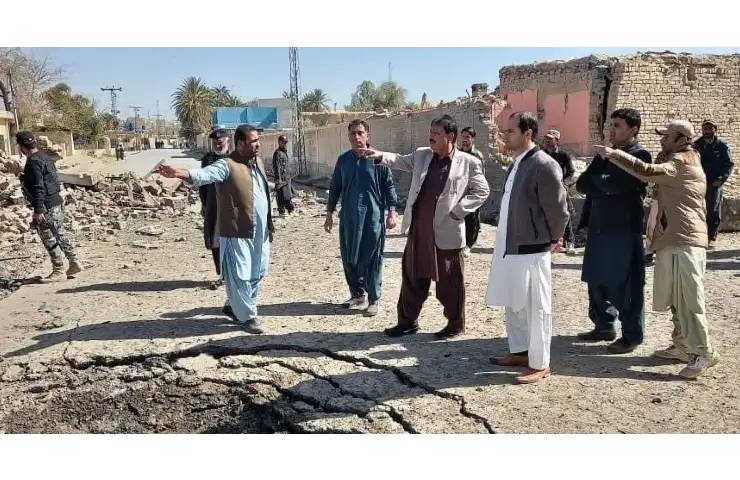
The well-coordinated twin- strikes by Baloch rebels on Thursday marked one of the most daring attacks on the Pakistani military in recent years. In these sophisticated attacks on two Pakistani military camps, Baloch rebels used US made weapons, worrying the Pakistani military establishment no end.
Citing intelligence reports, the Pakistani Interior Minister Sheikh Rashid told media that: “Baloch militants are not capable of launching major attacks in Nushki and Panjgur. TTP (Tehreek-e-Taliban Pakistan) has the capability, experience and latest NATO weapons to launch such attacks. There’s some understanding between the TTP and Baloch militants. They have their hideouts in Afghanistan.”
And for the first time TTP agreed with the Pakistan government. The spokesperson of the banned militant organisation, Mohammad Khorasani congratulated the Baloch rebel groups for their audacious attacks on the “enemy” forces.
“The Pakistani army is carrying out the massacre in Balochistan. We are against the massacre of Balochistan as well as in Waziristan by the Pakistani army. Our enemy is common.”
For the last one year, the TTP has been providing military training to Baloch fighters. In exchange, the Baluch rebel groups assist the TTP with logistics in Balochistan. The tactical alliance has coincided with a sharp uptick in attacks against Pakistani security forces in Balochistan in recent months. Pakistan watchers say that TTP has provided bases to the Baloch rebels in the Bermal district of Afghanistan’s eastern province of Paktika, which is adjacent to Pakistan’s South Waziristan tribal region, the TTP’s stronghold.
“In the last 30 days Balochistan has seen major bold attacks on Pakistani forces. The Pakistani army’s media wing ISPR is underplaying & misreporting on the attacks in Balochistan. A BLA attack in Noshki, where they had no presence before just shows that TTP and BLA are getting closer to each other, even supporting each other in their ops,” says one senior Pakistani journalist.
But the fact is that the Baloch rebels have changed their tactics and have upped the ante, throwing a huge challenge to Pakistan’s security forces and intelligence agencies.
The TTP and the Baloch rebel groups have also increased their anti-China rhetoric recently. According to Pakistani sources these groups have maintained close ties with the East Turkestan Islamic Movement (ETIM), a militant group made up mostly of Uyghurs.
While Pakistan had been routinely blaming the previous Afghan government’s intelligence service and India’s RAW in the past for fomenting trouble in Balochistan and KP, there was a sense of optimism that Kabul’s new rulers would uphold their commitment and not allow Afghanistan’s soil to be used against any state. But to Pakistan’s frustration, there is no indication that this is happening.
Last week, Moeed Yusuf, the National Security Advisor of Pakistani Prime Minister Imran Khan, conveyed to the Taliban government in Afghanistan that the TTP leaders have allowed the Baloch militants to make their hideouts near Kandahar and Helmand provinces in Afghanistan. He also warned that Pakistan will strike inside Afghanistan unless its affiliate, the Tehreek-e-Taliban Pakistan (TTP), stops cross-border attacks.
Pakistan is back to the situation where it has to face two insurgencies: one in the North West led by the TTP and the other in the South led by Baloch rebels. These intensified attacks have sent out an ominous message when Pakistani PM Imran Khan is in China asking for more funds to revive the China Pakistan Economic Corridor (CPEC) — that the security situation in Pakistan has gotten out of hand.(The content is being carried under an arrangement with indianarrative.com)

Baloch rebels target Turbat naval base
Daring Balochistan separatists have claimed that they have fired several rockets on the Pakistan Navy base at Turbat in the restive Ketch district of Balochistan province on Friday. Turbat is an important Pakistani naval base, as well as air supply hub serving projects under the controversial China Pakistan Economic Corridor (CPEC). Baloch militants have also claimed that their fighters are still holding the Pangjur camp of the Pakistani security forces.
“BLA Majeed Brigade’s control over FC camp in Panjgur has completed 60 hours now.
5 hours ago, a large number of Pakistan military’s SSG attempted to enter the camp, however, fidayeens of Majeed Brigade valiantly fought and repulsed their attack,” said the Baloch Liberation Army in a statement posted on Twitter on Saturday.
Earlier, in a separate statement, the Balochistan militant organisation had claimed on Friday that it had shot down a Pakistani military drone over Pangjur camp which is still under their control.
Information on the situation remained scarce as a curfew had been imposed on Panjgur since Thursday, and mobile phone and internet services have been suspended by the Pakistani forces. Even Pakistani media has been instructed to “ignore” the news and publish only the statements issued by the Pakistani sources.
The attacks pose an unprecedented challenge to state forces in restive Balochistan – the most militarised zone of Pakistan. Pakistani experts described the assaults as an “unacceptable breach of security”.
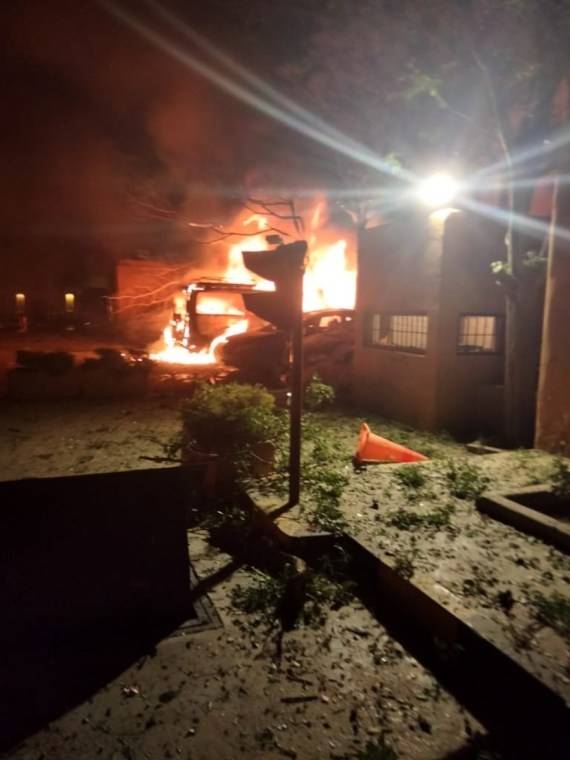
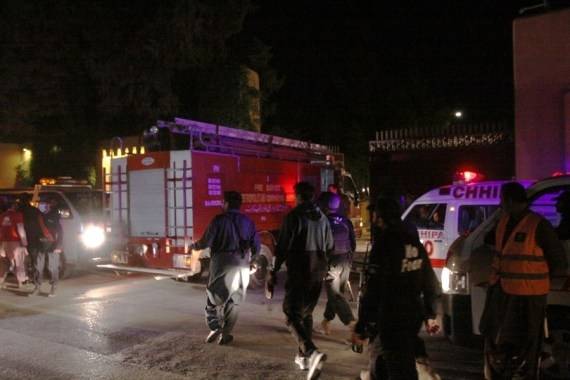
On the late evening of Wednesday, BLA militants launched a well -coordinated twin attack on the camps of the Pakistani Frontier Corps at Panjgur and Noshki. Baloch sources claim that more than 100 Pakistani security personnel were killed in the bold strike. In a counter attack, the Pakistani forces managed to recapture Noshki but they are apparently still fighting to regain control of Panjgur camp.
The two attacks started hours before the Pakistani Minister Imran Khan arrived in China. According to the Pakistani security officials, these attacks were designed to send a message to China and derail Khan’s talks with the Chinese for more funds for the CPEC projects.
“The attacks were very well coordinated and they are linked with Chinese interests in Pakistan. Khan and Chinese President Xi Jinping are to discuss CPEC and it was to show Pakistan is not a safe country,” one Pakistani official told a leading media outlet.
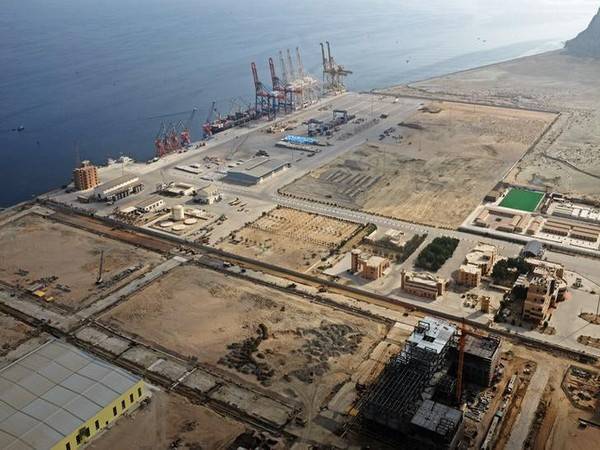
China has invested billions of dollars through the China Pakistan Economic Corridor (CPEC) in recent years in infrastructure and energy projects linking China’s far-western Xinjiang region with the strategic port of Gwadar in Balochistan.
But it offers the people of Balochistan virtually nothing. This has added to the fury of Balochs who have been protesting against the Pakistan government’s exploitation of the province. Lack of inclusive developments in Balochistan is one of the major factors behind the unrest. Continued disregard for the Baloch and their demands is likely to remain the prime reason for the region will remain restive, leading to increased threats to Chinese investments.
The Baloch pro -independence militant groups have waged an insurgency in the vast southwestern province for years, fuelled by anger that its abundant reserves of natural resources are not relieving citizens from crushing poverty.
The series of attacks against Chinese workers and installations in Balochistan including the Chinese consulate in Karachi and elsewhere in the country have forced Chinese authorities into a state of high alert. It has compounded their anxieties about the sad state of affairs in Balochistan province, where it wants to continue working on CPEC — the flagship of China’s ultra-ambitious, connectivity-centred Belt and Road Initiative.
(The content is being carried under an arrangement with indianarrative.com)