This latest influx is part of a broader, ongoing trend of mass returns—often under duress—from neighbouring Iran and Pakistan, where millions of Afghans have lived for decades, many without legal documentation.
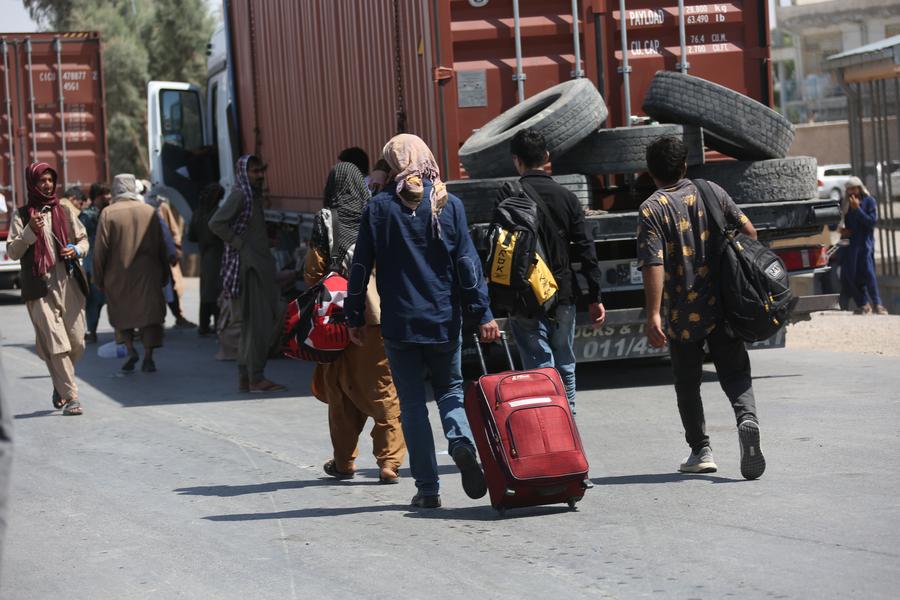
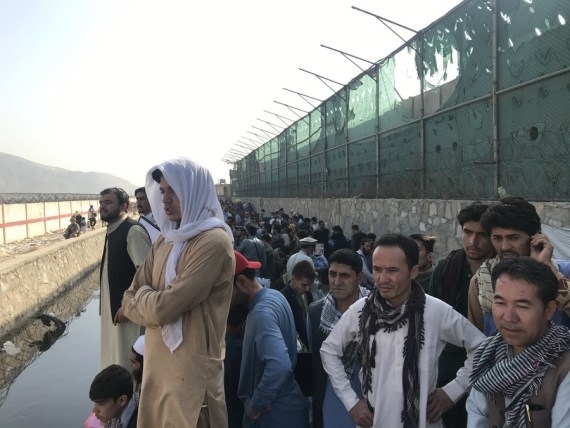
A wave of refugee returns from Pakistan and Iran to Afghanistan has intensified in recent days, with more than 7,000 Afghans repatriated in a single day, raising fresh concerns about regional security and humanitarian preparedness. According to Afghanistan’s High Commission for Addressing Returnees’ Problems, at least 1,685 families—totalling 7,474 individuals—crossed into Afghanistan on Tuesday, marking one of the largest daily movements this year.
The refugees re-entered the country through several key border points: Torkham in eastern Nangarhar, Spin Boldak in southern Kandahar, Islam Qala in western Herat, and Pul-e-Abresham in western Nimroz. Authorities confirmed that temporary shelters, food, water, medical care, and transport were being provided to facilitate their relocation to home provinces.
This latest influx is part of a broader, ongoing trend of mass returns—often under duress—from neighbouring Iran and Pakistan, where millions of Afghans have lived for decades, many without legal documentation. Estimates suggest that nearly seven million Afghan refugees currently reside abroad, with Iran and Pakistan hosting the bulk of the population.
Push factors from Iran and Pakistan
Officials in both host countries have intensified crackdowns on undocumented migrants, ordering them to leave or face deportation. Pakistan initiated a major repatriation drive last year, prompting hundreds of thousands of Afghans to return, many to uncertain futures. Meanwhile, Iran is witnessing daily exits of 8,000–10,000 Afghan refugees, according to a June 22 report by Tolonews, amid rising domestic instability.
“Recently, due to war and insecurity in Iran, the return of refugees from the country has increased,” said Abdul Rahim Rahmani, deputy director of Border Affairs for Returnees and Refugees at the Islam Qala crossing. Rahmani’s remarks echo concerns of growing internal unrest in Iran, which, coupled with tightening border controls, is pushing Afghans out in unprecedented numbers.
Local officials in Nimroz province also reported a surge in returns, with an estimated 2,000 to 3,000 individuals and about 300 families crossing back into Afghanistan daily.
The Taliban regime, now over two years into its rule following the chaotic US withdrawal in August 2021, has repeatedly urged Afghans living abroad to return and “help rebuild the war-torn country.” However, the economic outlook in Afghanistan remains bleak, with limited job opportunities, basic services in disarray, and growing humanitarian needs.
Regional security alarm bells
The return of thousands of Afghans—many with uncertain affiliations and little state support—has also raised red flags across Central Asia and beyond. On Wednesday, Russian President Vladimir Putin issued a stark warning, highlighting Afghanistan’s growing instability as a major threat to regional security.
Speaking at a meeting of the Collective Security Treaty Organization (CSTO), Putin said that the volatile situation in Afghanistan could allow terrorist groups such as ISIS to regroup and launch cross-border operations into CSTO member states, which include Russia, Belarus, Kazakhstan, Kyrgyzstan, Tajikistan, and Armenia.
“Terrorist groups in the past have used Afghan territory to infiltrate neighbouring CSTO countries,” Putin warned, citing the historical presence of extremist factions. The Russian president stressed that this risk is again rising and urged CSTO nations to boost border security, increase intelligence-sharing, and conduct joint military exercises to counter the threat.
He also called for deeper collaboration with regional organisations like the Shanghai Cooperation Organisation (SCO) to stabilise Afghanistan. Putin reiterated that a peaceful and secure Afghanistan could only be achieved through an inclusive government with broad international support.
Humanitarian and diplomatic crossroads
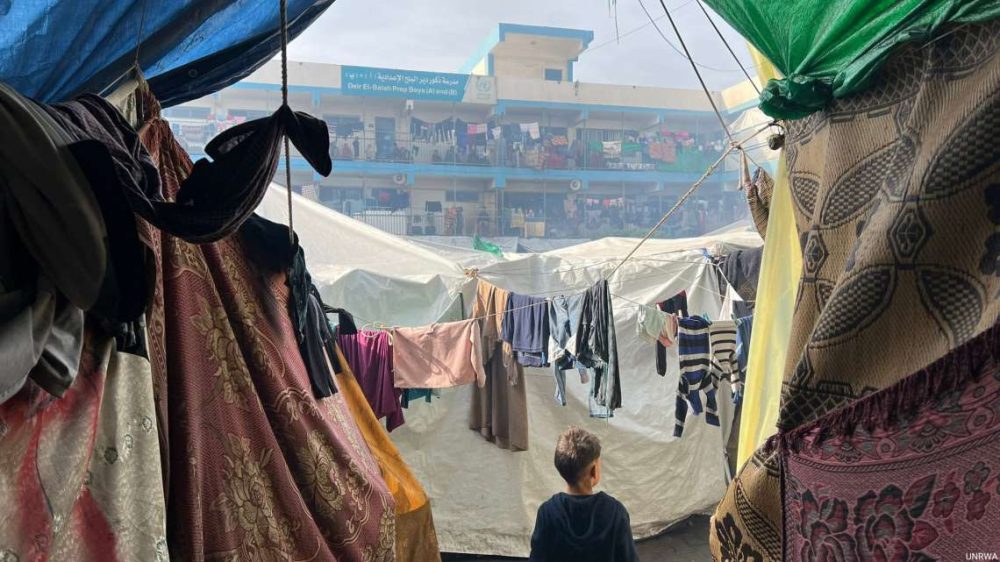
The unfolding refugee crisis places Afghanistan at the centre of a mounting regional dilemma. While host nations are eager to shed the burden of Afghan migrants, Afghanistan itself lacks the infrastructure to absorb large-scale returns. International agencies warn of deteriorating conditions at reception points, and the lack of a recognised and inclusive Afghan government continues to hamper coordinated aid and development efforts.
Furthermore, concerns persist that some returning individuals may include combatants or radicalised individuals capable of destabilising an already fragile region. The Taliban’s ability—and willingness—to track, reintegrate, or contain such returnees remains uncertain.
As the international community remains divided on how to engage with the Taliban regime, one issue is becoming clear: Afghanistan’s internal instability is increasingly being exported beyond its borders. Without urgent international coordination, both the humanitarian and security implications of this mass return wave could ripple across South and Central Asia in the months to come.