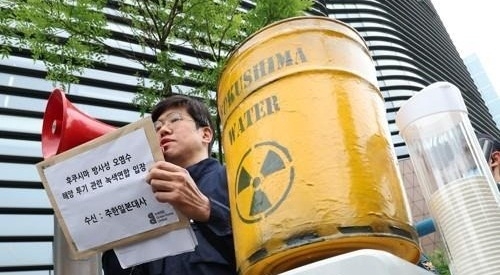
The International Atomic Energy Agency says independent laboratory tests of treated water from Japan’s Fukushima Daiichi nuclear plant are consistent with its earlier safety assessment. ..reports Asian Lite News Desk
The International Atomic Energy Agency (IAEA) has confirmed that independent laboratory assessments of treated wastewater discharged from Japan’s Fukushima Daiichi Nuclear Power Station remain consistent with its earlier safety findings.
In a report published on Tuesday, 3 November, the UN nuclear watchdog said measurement results from samples of Advanced Liquid Processing System (ALPS)-treated water, diluted with seawater before discharge, were consistent with the conclusions of its comprehensive assessment. The earlier report found that the planned discharges would have a negligible radiological impact on people and the environment.
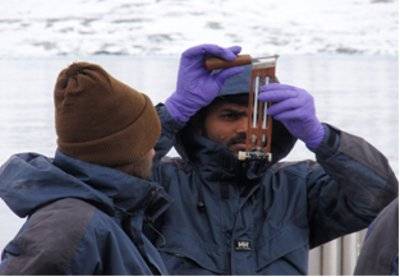
The latest findings are based on an expert mission conducted in December 2025, during which specialists from several laboratories carried out independent sampling of treated water after it had been diluted with seawater and before it was released into the Pacific Ocean.
The mission was the sixth conducted under the IAEA’s Additional Measures framework, which aims to strengthen international participation and transparency in the monitoring and analysis of water discharged from the Fukushima facility.
The additional monitoring arrangements were introduced to allow third-party laboratories to independently verify whether the discharge process, which began in August 2023, continues to comply with relevant international safety standards.
Tokyo Electric Power Company Holdings (TEPCO), the operator of the Fukushima Daiichi Nuclear Power Station, began releasing ALPS-treated water into the sea in August 2023. The IAEA’s monitoring framework is intended to provide independent verification of the process through international sampling and laboratory analysis.
International laboratories participate in independent testing
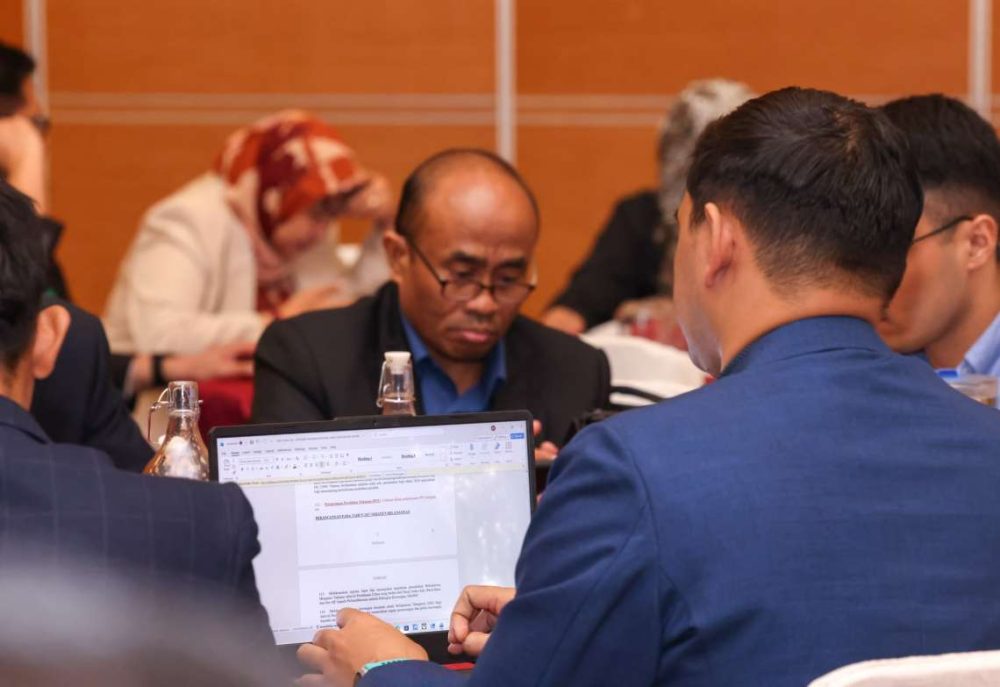
Samples collected during the December 2025 mission were independently analysed by laboratories in China, the Republic of Korea, the Russian Federation and Switzerland. The IAEA’s Fukushima Laboratory and TEPCO laboratories also conducted analyses.
The third-party laboratories involved in the exercise are members of the IAEA’s Analytical Laboratories for the Measurement of Environmental Radioactivity (ALMERA) network. The agency selected the laboratories based on their expertise and analytical proficiency in measuring environmental radioactivity.
The participation of laboratories from several countries is part of the IAEA’s efforts to expand international involvement in monitoring the Fukushima water discharge. The framework is designed to improve transparency by allowing independent experts to examine samples and compare measurement results.
The agency said the latest measurements were consistent with its previous conclusions on the radiological impact of the discharge. Its comprehensive report had assessed the planned release process and concluded that the expected impact on people and the environment would be negligible.
The latest publication follows another report issued the previous week under the Additional Measures framework. That report covered an IAEA-led mission focused on marine environmental monitoring following the discharge of treated water in September 2025.
Together, the reports form part of the agency’s continuing programme of independent sampling and analysis linked to the Fukushima Daiichi water discharge.
The IAEA has maintained its monitoring activities since TEPCO began the discharge process, with the Additional Measures providing opportunities for laboratories from different countries to participate in verification exercises.
The latest report specifically covers the analysis of water sampled after dilution with seawater at the discharge facilities, before it entered the sea.