Pakistan has intensified the deportation of Afghan migrants following an October 31 deadline, with returnees alleging police harassment and torture….reports Asian Lite News Desk
Pakistan has stepped up the deportation of Afghan migrants from Khyber Pakhtunkhwa province following the expiry of an October 31 deadline, with recently returned refugees alleging mistreatment, harassment and torture by Pakistani police while in detention.
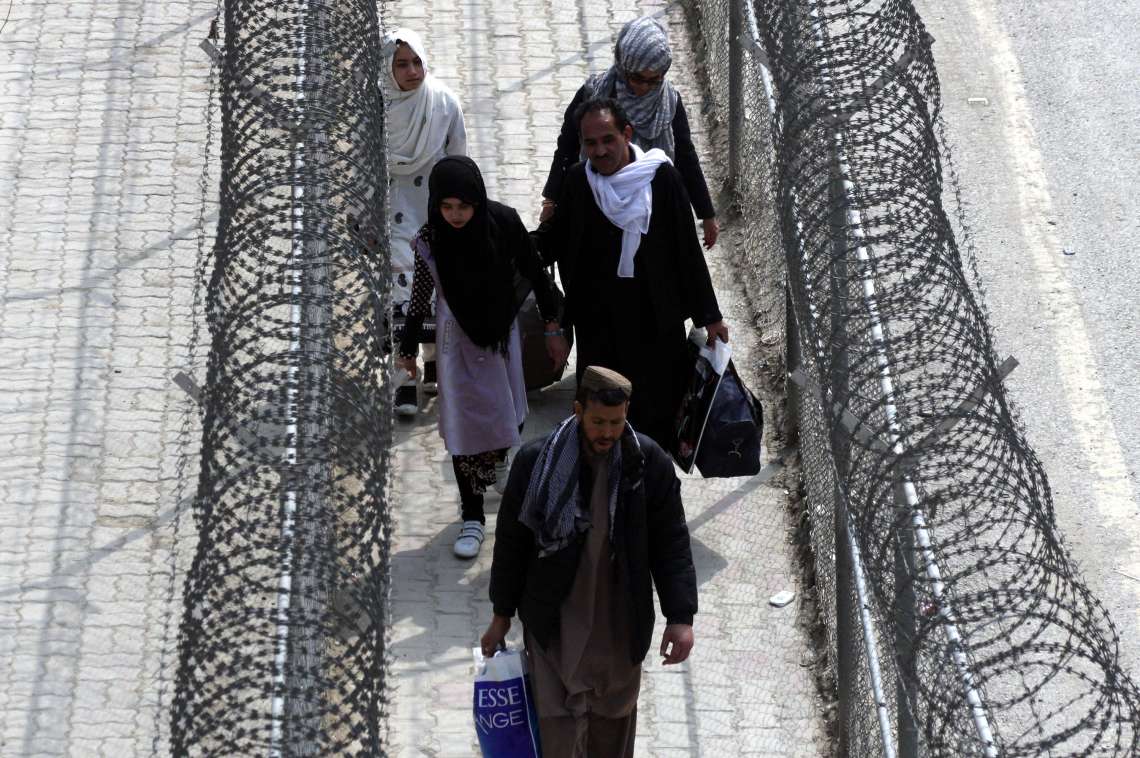
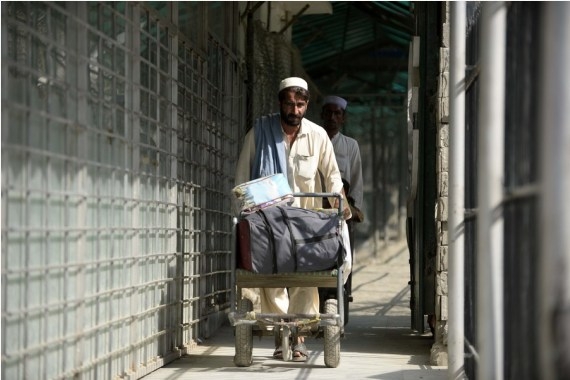
Around 50 Afghan families had returned to Afghanistan through the Torkham border crossing by Monday, while arrests of Afghan nationals continued in several parts of Khyber Pakhtunkhwa, Afghanistan-based Tolo News reported on Tuesday.
Najibullah, an Afghan migrant recently deported from Pakistan, said police operations against Afghan refugees intensified after a state of emergency was declared in the province.
He alleged that Afghan nationals were being detained from their homes, roads and markets before being taken to detention centres for deportation.
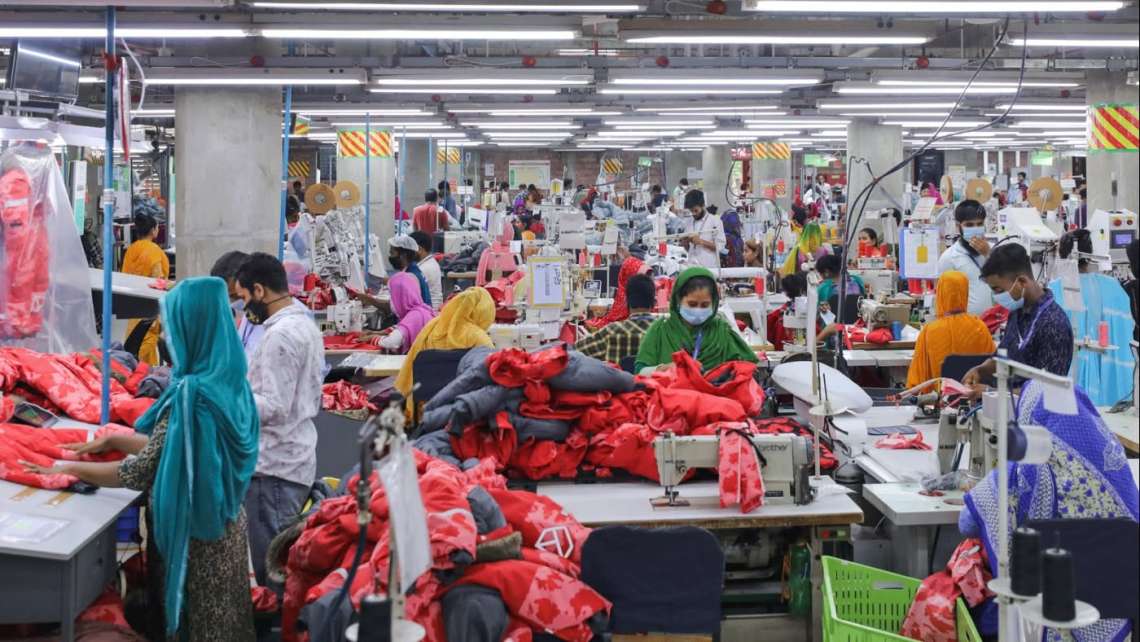
Another Afghan migrant told Tolo News that he had been arrested at his workplace despite earning a daily wage of around 600 Pakistani rupees.
“We were working at a factory there and earning around 600 Pakistani rupees a day. But they stopped us from working, took the money we had, arrested us at our workplace and forcibly deported us through the Torkham crossing,” he said.
Another recently deported migrant expressed concern over the lack of employment opportunities in Afghanistan, urging the Taliban authorities to provide permanent jobs and address the economic difficulties faced by returning families.
UN experts warn against forced deportations
The latest developments come amid international concerns over Pakistan’s treatment of Afghan refugees. On September 18, United Nations experts called on Islamabad to halt forced deportations and establish procedures to identify individuals at risk of persecution, torture and other serious human rights violations before their removal.
“We are gravely concerned over Pakistan’s forced return of Afghans. The immediate priority is the establishment of a transparent and accessible procedure through which Afghans at risk can come forward, be individually assessed, and obtain protection from removal while that assessment is carried out,” the experts said.
They warned that without such safeguards, vulnerable people could remain in hiding, fearing arrest, detention or deportation instead of seeking protection.
The experts also raised concerns over directives requiring medical and dental institutions in Pakistan to remove Afghan students. At least 100 Afghan students, including between 20 and 40 women, were reportedly expected to be affected.
They urged Pakistan to stop deporting Afghan nationals, particularly women and unaccompanied children, in accordance with the principle of non-refoulement. The international legal principle prohibits returning individuals to countries where they face a real risk of persecution, torture, arbitrary detention, enforced disappearance or other serious human rights violations.
The experts also expressed concern over a directive issued by Pakistan’s Ministry of Interior on June 28, 2026, instructing provincial authorities to detain and deport Afghan nationals without valid documentation after July 10.
Citing information available to them, the experts said approximately 127,344 Afghans had crossed back into Afghanistan between July 10 and August 27, including at least 14,186 people reportedly forcibly removed. Around 38,388 of those who crossed the border were women and children.
The continued deportations have heightened concerns about the humanitarian challenges facing returning Afghan families, particularly those struggling to find employment and access basic services in Afghanistan.