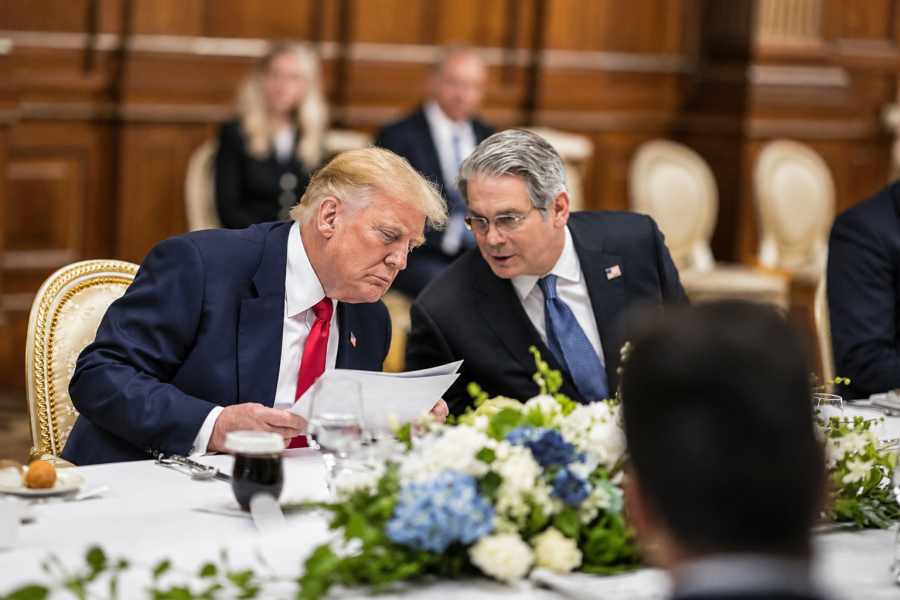
Washington vows to maintain its economic squeeze on Tehran as fresh sanctions target Iranian oil networks and financial operations….reports Asian Lite News Desk
The United States will continue its economic pressure campaign against Iran’s Islamic Revolutionary Guard Corps (IRGC) until Tehran agrees to an acceptable deal, Treasury Secretary Scott Bessent has said, signalling that Washington has no immediate plans to ease sanctions despite continuing diplomatic efforts.
Speaking to CNBC on Friday (November 20), Bessent defended the administration’s economic strategy, describing Operation Economic Outcast as the greatest economic isolation of any country in history.
“We’re going to continue squeezing the IRGC until they are ready to stick to a deal,” Bessent said, adding that the campaign was putting increasing pressure on Iran’s financial networks and leadership.
Launched on August 24, Operation Economic Outcast is designed to restrict Iran’s access to international financial networks, disrupt oil revenues and target individuals and organisations accused of helping Tehran evade sanctions.
The Treasury Department announced another round of sanctions on Friday, targeting four Iranians accused of collecting and managing proceeds from the country’s oil sales. Washington alleged that these individuals acted as intermediaries for the Iranian regime, with some retaining oil revenues for personal gain.
The latest measures form part of a broader effort to disrupt Iran’s oil trade and financial connections. The Treasury Department said the campaign had significantly increased the risks for businesses and financial institutions continuing to facilitate transactions involving Tehran.
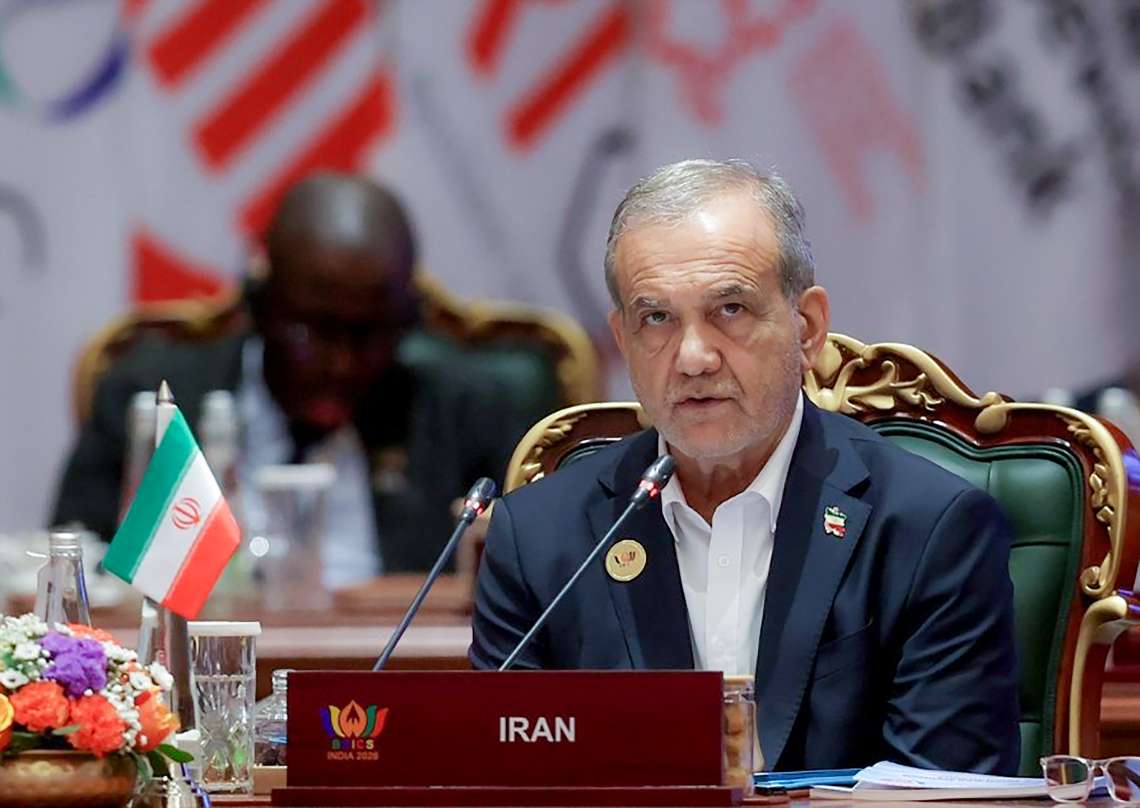
According to the department, no Iranian oil had been loaded onto vessels since the operation began, while the US naval blockade had restricted the movement of Iranian oil through international shipping routes.
The economic pressure comes as diplomatic efforts to end the conflict remain uncertain. US President Donald Trump said on Friday that Iran wanted an agreement but had not presented terms acceptable to Washington.
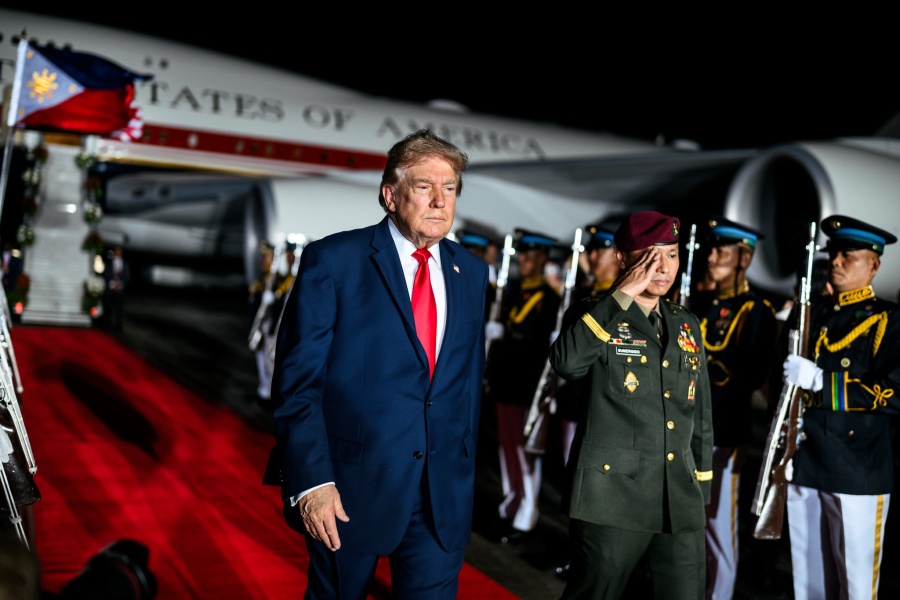
“We want to make a real deal, not a fake deal,” Trump told reporters during a White House news conference following his return from an Asian tour. He reiterated that Iran would never be allowed to acquire a nuclear weapon.
The United States and Israel launched military strikes against Iran on February 28, triggering a wider regional conflict. Tehran retaliated with ballistic missiles and drone attacks targeting Israel, US military installations and facilities across Gulf countries.
An initial ceasefire was reached in April, followed by a memorandum of understanding signed in June aimed at ending hostilities and establishing a framework for broader negotiations. However, the agreement collapsed weeks later, with fighting resuming in July and continuing intermittently.
The conflict has since entered a prolonged period of uncertainty, with Washington maintaining military and economic pressure while diplomatic efforts struggle to produce a lasting settlement. Qatar has also been involved in attempts to revive negotiations, with reports indicating that US envoys Steve Witkoff and Jared Kushner met Qatari officials in Berlin on Thursday to discuss mediation.
Meanwhile, the conflict has created political difficulties for the Trump administration at home, particularly following the Republican Party’s heavy losses in the November midterm elections.
Vice-President JD Vance on Friday declined to say whether the decision to go to war with Iran was worth the political consequences, including Republicans losing control of the Senate.
Asked about the issue during the White House news conference, with Trump standing beside him, Vance defended the objective of preventing Iran from developing nuclear weapons. He described Tehran as the world’s largest state sponsor of terrorism and warned that a nuclear-armed Iran could use such a weapon to exert pressure or launch an attack with devastating consequences.
However, he stopped short of directly endorsing Trump’s decision to launch the military campaign.
“I think the president is the one who makes the decision, and the president has said he would do it again,” Vance said, adding that his responsibility was to support the US president.
Vance had previously attributed the Republicans’ midterm defeat to the Iran conflict in a social media post, arguing that an honest assessment of the election results must begin with the war’s political consequences.
Trump said he was not unhappy with Vance’s comments but maintained that he would have repeated the military action because of the need to prevent Iran from acquiring nuclear weapons.
With fresh sanctions, continued military pressure and diplomatic efforts producing no breakthrough, Washington’s approach towards Tehran remains firmly centred on economic isolation and preventing the country from developing nuclear weapons.