For his part, the UAE President conveyed his greetings to the Prime Minister, wishing India and its people further development and prosperity….writes Shaneer N Siddiqui
UAE President Sheikh Mohamed bin Zayed Al Nahyan received a letter from Indian Prime Minister Narendra Modi regarding strengthening the strategic relations between the two countries and the prospects of developing them to serve their common interests.
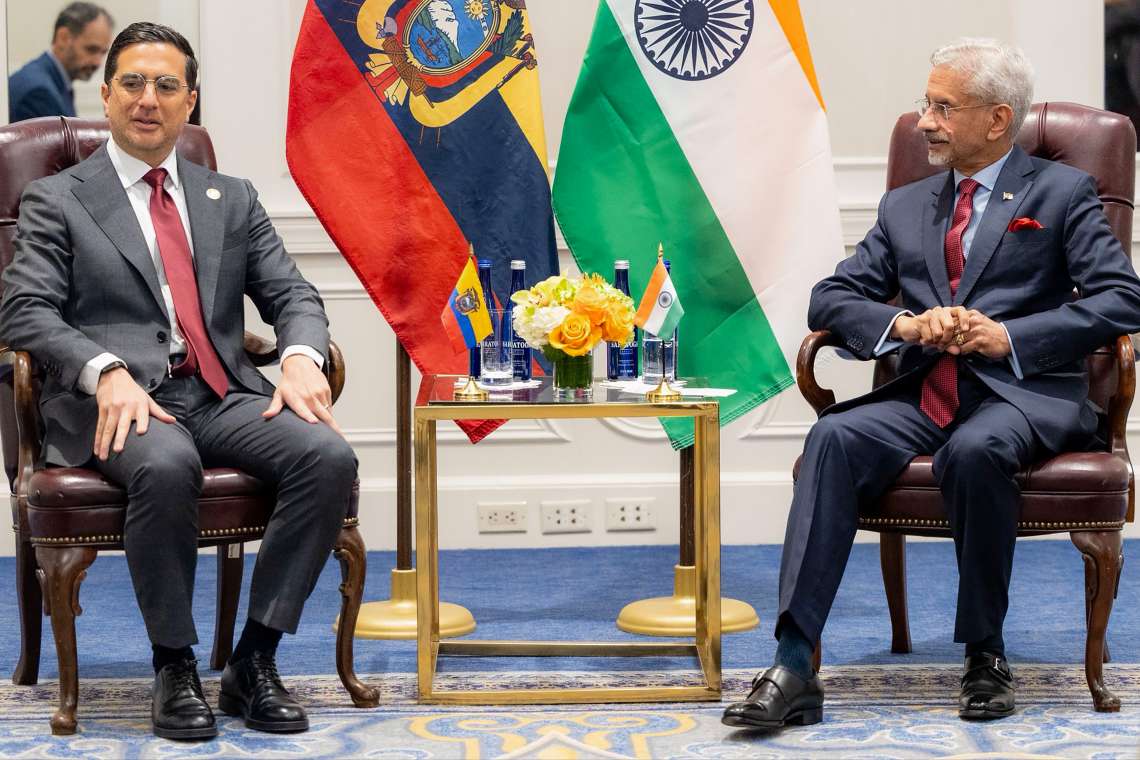
Sheikh Mohamed received the letter during a meeting with Indian External Affairs Minister S. Jaishankar, who is currently on a visit to the United Arab Emirate to attend the meetings of the 14th session of the UAE-India Joint Committee and the third session of the UAE-India Strategic Dialogue.
At the beginning of Friday’s meeting, which took place at the Al Shati Palace, Jaishankar conveyed the Modi’s greetings to Sheikh Mohamed and his wishes for further progress and prosperity for the UAE and its people.

For his part, the UAE President conveyed his greetings to the Prime Minister, wishing India and its people further development and prosperity.
During the meeting, the two sides discussed various aspects of their bilateral relations and the importance of cooperating to enhance and advance them within the framework of their comprehensive strategic partnership and the UAE-India Comprehensive Economic Partnership Agreement (CEPA), in addition to a number of regional and international issues of mutual concern.
The meeting was also attended by Sheikh Abdullah bin Zayed Al Nahyan, Minister of Foreign Affairs and International Cooperation; Sheikh Mohammed bin Hamad bin Tahnoun Al Nahyan, Advisor for Special Affairs at the Ministry of Presidential Affairs; Reem bint Ibrahim Al Hashemy, Minister of State for International Cooperation; and Anwar Gargash, Diplomatic Adviser to the UAE President.
The delegation accompanying Jaishankar was also present.
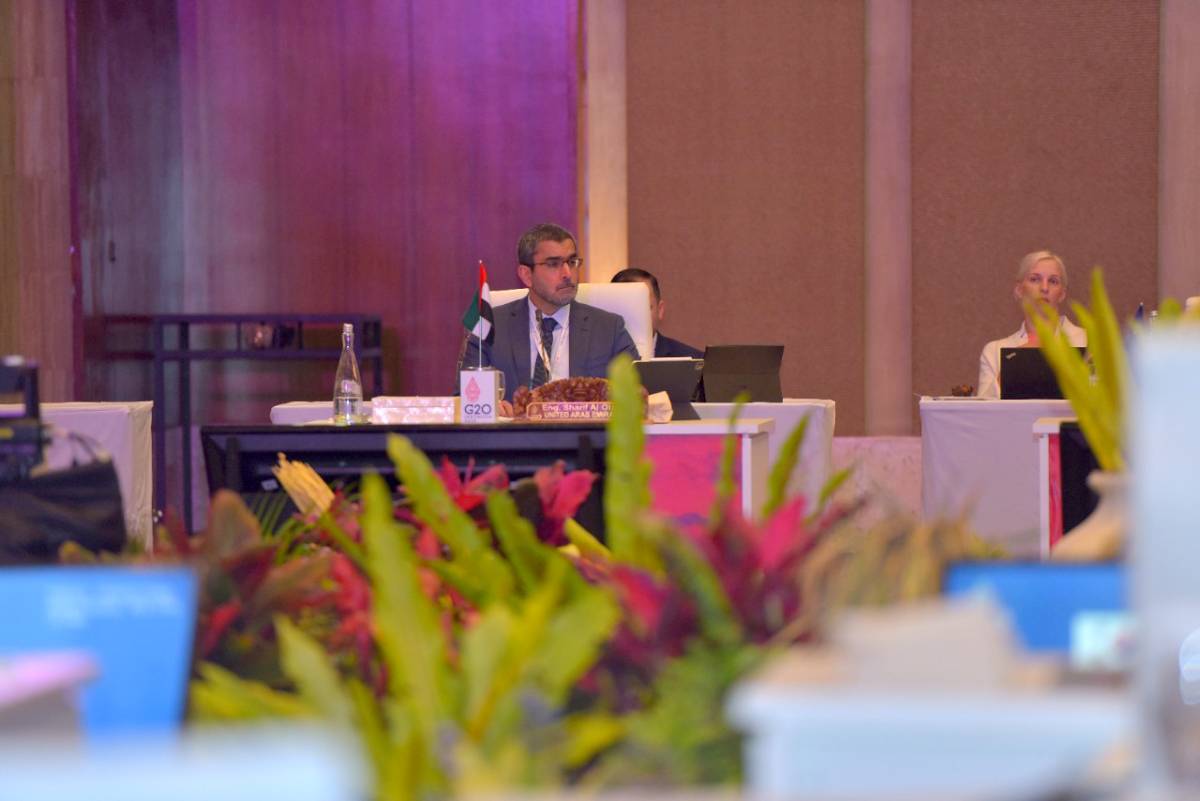
On the same day, Sheikh Abdullah chaired the third session of the UAE-India Strategic Dialogue, which was held in Abu Dhabi.
The Indian side was headed by Jaishankar.
During the session, the two sides discussed issues of common interest and prospects for enhancing bilateral cooperation, in line with the CEPA.
They also exchanged views on a number of regional and international issues of mutual concern.