February 1, 2022
4 mins read

‘Military inc.’ biggest encroacher in Pakistan

Ranging from petrol pumps to industrial plants, financial institutions, bakeries, schools and universities, hosiery factories, milk dairies, stud farms, and cement plants, the Pakistan military stands as the biggest conglomerate of all business…writes ANILA GULZAR

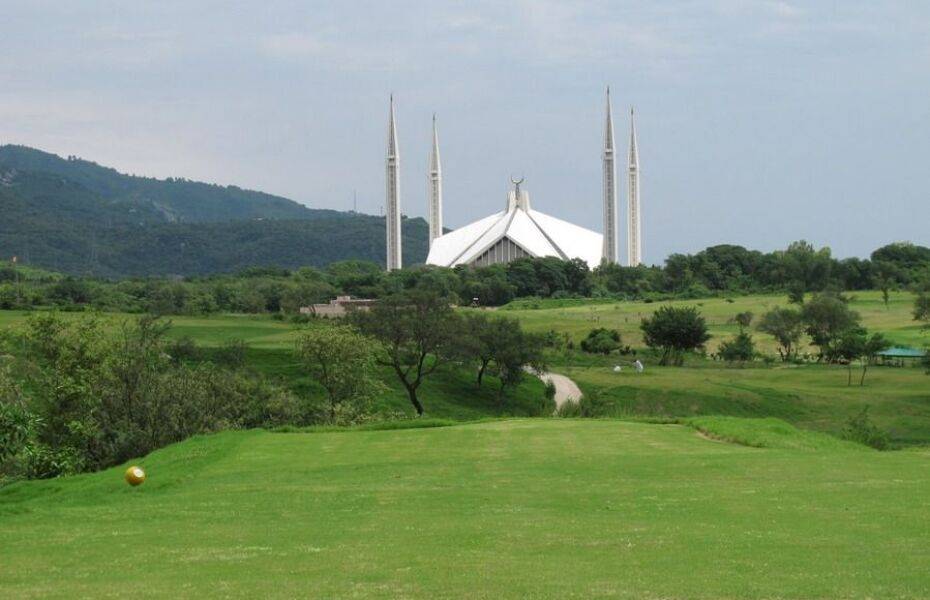
The Margalla Green Golf Club in Islamabad boasts of a sprawling 18-hole course, nestled in the picturesque Margalla Hills National Park. It occupies a place of pride in the Pakistan Navys golfing circle and several golf tournaments are organised at this exotic location. The latest event held there was the Chief of the Naval Staff Amateur Golf Championship held in September 2021 where President Arif Alvi was the chief guest.

However, the Pakistan Navy is now embroiled in an infamous litigation case in which the Islamabad High Court (IHC) has indicted it for encroaching over 8,000 acres of protected forest land.

On January 11, the IHC directed the Capital Development Authority (CDA) to seal Margalla Green Golf Club and demolish all associated structures within four weeks. Interestingly, just a week earlier the IHC had also ordered the flattening of Pakistan Navy’s sailing club and farm houses built illegally on the banks of the protected Rawal Lake in Islamabad.
Terming these blatant transgressions as “classic example of absence of rule of law”, the court also issued directions to initiate criminal proceedings against former Pakistan Navy Chief Zafar Mahmood Abbasi.

Another example of encroachment of state land by Pakistan Army came to light early this January when the IHC ordered the Monal restaurant located in Margalla Hills area to be sealed and handed over to the CDA.

Shockingly, the owners of this elite restaurant were paying rent to the military, believing the land to be under the latter’s possession. While on one hand, Pakistan’s armed forces are blatantly flouting the country’s laws and encroaching on government land, on the other hand they are unabashedly using defence land for commercial purposes.

Alarmed by the squandering and unlawful commercialisation of national property, the Pakistan Supreme Court had summoned the Defence Secretary in November 2021 and asked him to explain if “wedding halls, cinemas and housing societies were being built for defence purposes”.
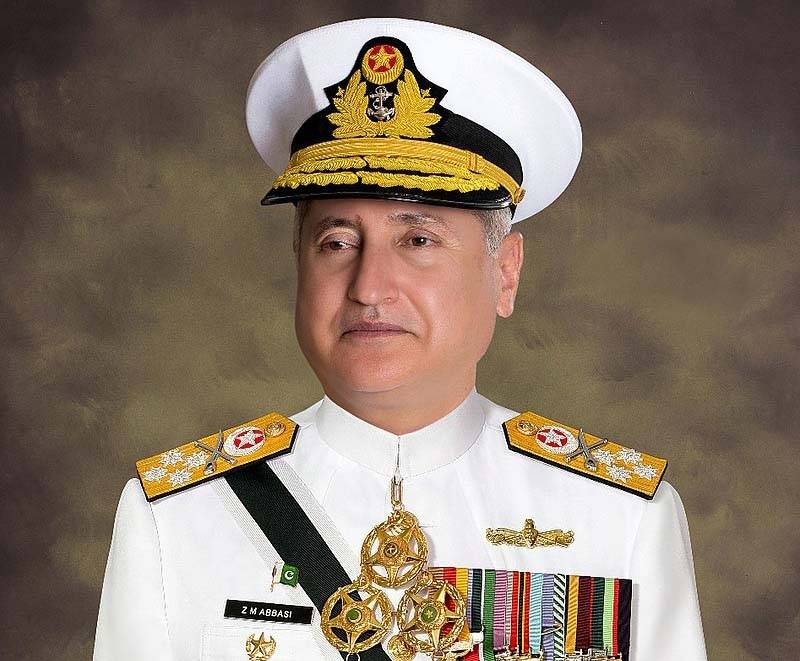
Zafar Mahmood Abbasi, Pakistan’s former Chief of the Naval Staff (CNS).

But court injunctions and adverse observations, even at the apex level, are hardly likely to deter a military that has been raised on what is now referred to as the “culture of entitlement”. This is borne out by the fact that the Pakistan Navy, instead of complying with court orders, has decided to challenge the verdict through an intra-court appeal in the Margalla Green Golf Course case. It is, therefore, unsurprising that the Chief Justice of Pakistan was constrained to observe that colonels and majors were acting like kings.

This is just the tip of the iceberg of Pakistan’s ‘Military Inc.’, the eponymous title of the book by Ayesha Siddiqa regarding the enormous business empire of Pakistan’s military which is reportedly valued at a mind-boggling $20 billion.
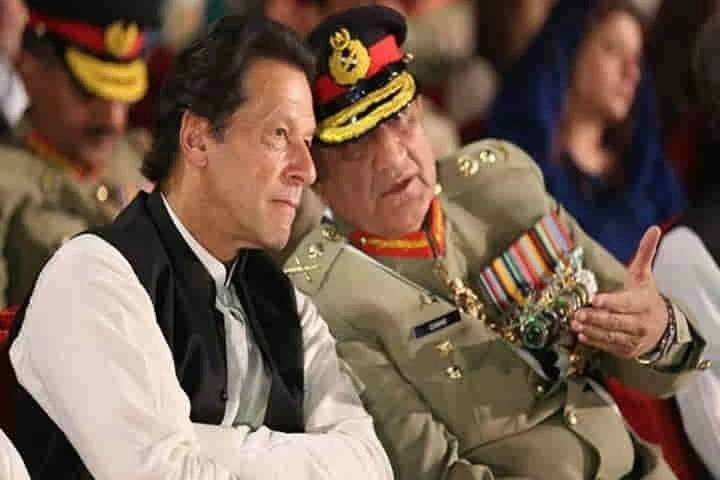
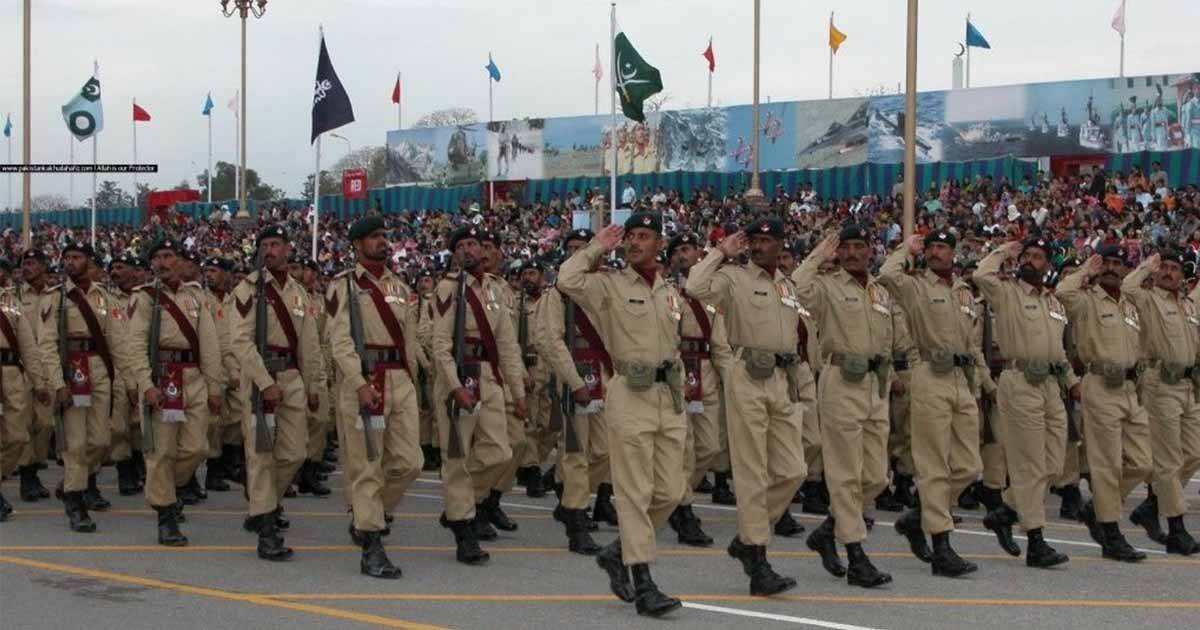
Ranging from petrol pumps to industrial plants, financial institutions, bakeries, schools and universities, hosiery factories, milk dairies, stud farms, and cement plants, the Pakistan military has a finger in every economic pie and stands as the biggest conglomerate of all business in Pakistan today with more than fifty commercial entities in operation. This fact has been substantiated by a UNDP report published in 2020.

Pakistan’s armed forces control these profitable ventures through four front corporations – the Fauji Foundation (FF), Army Welfare Trust (AWT), Shaheen Foundation (SF) and the Bahria Foundation (BF).

In order to ensure that their business interests are well-preserved and suitably promoted, each foundation has instituted an elaborate organisation of active service members to monitor these them.
It is a well-known fact that Pakistan’s military has demonstrated a self-serving attitude in the past and has prioritised its own profits over public accountability and interest. However, what transpired in Murree Hill resort in early January, when more than two dozen tourist lost their lives after becoming stranded in a snow storm this year demonstrates the extent of callousness and indifference by Pakistan’s military.

While thousands of hapless tourists were stranded in the snow and freezing temperatures on the night of January 06th in the popular hill-station, the military was not only slow to respond, but demonstrated shocking indifference to the plight of civilians.

At a time when the Imran Khan government is struggling to negotiate $6 billion Extended Fund Facility with the IMF, and have pledged their motorways and the State Bank of Pakistan for an immediate release of $1 billion, it seems ironic that the country’s armed forces sit on a pile of cash earned through surreptitious ventures.

(Anila Gulzar is a the spokesperson for Justice for Minorities in Pakistan. She currently lives in the UK.)

Previous Story

Vijayan to open Kerala Week at Expo 2020 Dubai

Next Story

Captain owes loan of Rs 2 crore

Previous Story

Vijayan to open Kerala Week at Expo 2020 Dubai

Next Story

Captain owes loan of Rs 2 crore

Latest from -Top News

Pakistan Risks Overstretching Itself in Yemen War

Pakistan’s expanding military role in Saudi Arabia amid the Yemen conflict could strain its defence resources and fragile finances…reports Asian Lite News Desk Pakistan’s military involvement in the war in Yemen may prove unsustainable because of mounting financial pressures and competing security demands, according to a new report. Islamabad’s growing military presence in Saudi Arabia risks stretching its defence resources while exposing the country to greater strategic and economic challenges. An article by Andrew Wilson in One World Outlook describes Pakistan’s involvement as a case of “fiscal and strategic overreach”, arguing that the country lacks the financial flexibility to sustain an expanded military commitment. Pakistan’s external finances depend heavily on an International Monetary Fund (IMF) programme, financial support from Gulf countries and remittances from Pakistani workers in the region. The report argues that deeper military involvement in the conflict could place additional pressure on these sources of financial stability. It also warns that deploying troops and military equipment abroad could weaken Pakistan’s capacity to address security challenges along its eastern border and deal with two domestic insurgencies. The move could also draw Islamabad into a conflict it has sought to approach cautiously. A Reuters report in May, citing Pakistani security and government sources, said Islamabad had deployed around 8,000 troops, a squadron of approximately 16 aircraft, mostly JF-17 fighter jets, two drone squadrons and a Chinese HQ-9 air-defence battery to Saudi Arabia. According to those sources, Riyadh was financing the deployment, with Pakistani personnel operating the equipment. The sources also said a confidential agreement contemplated the possibility of deploying up to 80,000 troops. Islamabad has not confirmed those figures, although it has acknowledged its military presence in Saudi Arabia, including the deployment of fighter jets at King Abdulaziz Air Base from April. The One World Outlook article argues that Saudi financial support can cover allowances and operating expenses but cannot easily replace military equipment needed elsewhere or resolve the political and strategic challenges of participating in the Yemen conflict. Pakistan’s defence budget is another concern. For the 2026-27 financial year, the federal government allocated PKR 3 trillion, or approximately $10.8 billion, to defence services. The allocation represents an 18 per cent increase from the original PKR 2.55 trillion provision and amounts to around 2.1 per cent of projected gross domestic product (GDP). Defence spending accounts for approximately 16 per cent of the federal government’s PKR 18.8 trillion expenditure. Military pensions are budgeted separately at PKR 822 billion, while debt servicing costs stand at approximately PKR 8 trillion, more than two-and-a-half times the defence allocation. The report argues that these competing financial obligations leave little room for additional military expenditure without placing further pressure on public finances. Pakistan’s reliance on IMF assistance also limits its fiscal flexibility. The country must meet the conditions attached to the programme, including a primary budget surplus target of 2 per cent of GDP and continued restraint on development spending. According to the article, these requirements make it difficult for Islamabad to finance an additional military commitment without compromising other budgetary priorities. Pakistan’s economic indicators offer limited reassurance. Economic growth for the 2025-26 financial year is estimated at between 3.6 and 3.7 per cent, while inflation reached approximately 10.3 per cent in September following an energy price shock. Foreign exchange reserves stood at around $21.5 billion at the end of September. Although this marks an improvement from the low levels recorded in 2023, the report notes that the reserves cover only a few months of imports. Financial assistance from Gulf partners remains central to Pakistan’s external stability. The article says Islamabad holds approximately $8 billion in Saudi deposits at its central bank. In July, the State Bank of Pakistan said Riyadh had extended the maturity of $5 billion in deposits to December 2028, easing the country’s immediate external financing requirements. A further $3 billion deposit was also extended in the spring. However, the article argues that these arrangements provide temporary relief rather than long-term financial independence, particularly as regional conflict threatens the stability of the Gulf economies on which Pakistan relies. The report concludes that Pakistan faces a difficult balance between supporting Saudi Arabia militarily and preserving the financial and military resources needed to address its domestic and regional challenges.

UK and Germany Ratify Kensington Treaty

Britain and Germany ratify the Kensington Treaty, agreeing new cooperation on AI, quantum research, defence and security while targeting investment, jobs and Russian hybrid threats…reports Asian Lite News Desk Britain and Germany

Economic tide is turning in Bangladesh

If there is one thing that can bring some comfort to the struggling Bangladeshi economy, it is good relations with India. Bangladesh should remember that Delhi’s backing, through easy supplies of essentials

DP World Lands 15-Year Bangladesh Port Deal

The agreement between the Chittagong Port Authority (CPA) and DP World covers the New Mooring Container Terminal…reports Asian Lite News Desk Bangladesh has signed a 15-year concession agreement with global ports operator
Go toTop

Don't Miss

Peace with Pakistan only if terrorism stops, says Rajnath

Singh said that the government would not allow Pakistan’s “evil

World Bank Flags Alarming Poverty Levels in Pakistan

Country Director for the World Bank in Pakistan Najy Benhassine,