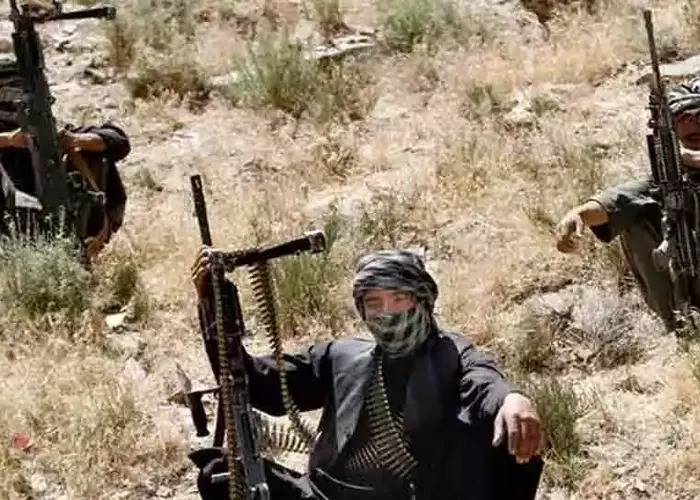
Islamabad agreed to hold fresh talks with the group under the auspices of the interim Taliban government….reports Asian Lite News
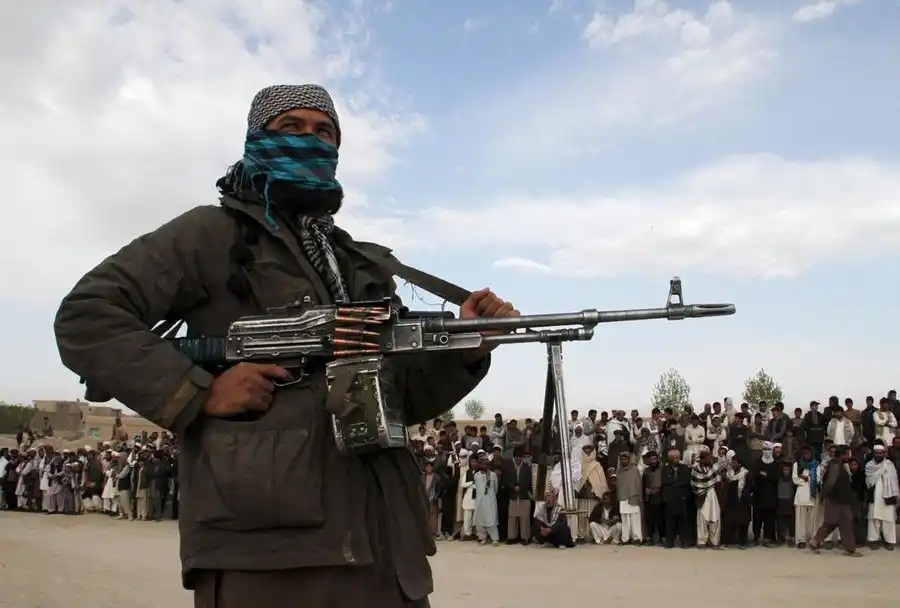
The ongoing bid of Tehreek-e-Taliban Pakistan to enter the political mainstream in Pakistan may face obstruction as several experts think that the outlawed group will harm and shrink political spaces for the citizens of this country as would they agree to lay arms.
To “gain political legitimacy”, the TTP recently praised the Federal Shariat Court’s order to the government to implement an Islamic, interest-free banking system within five years.
Islamabad agreed to hold fresh talks with the group under the auspices of the interim Taliban government.
“Through its political statements, it appears that the TTP is preparing its foot-soldiers to work within the constitutional framework of the country,” he said while terming the efforts an attempt to reposition the group in line with its agenda.
For experts and victims of the violence perpetrated by the TTP during its reign of terror, it is very difficult to trust the militant outfit, as several questions about the future of the talks and their possible fallout remain unaddressed.
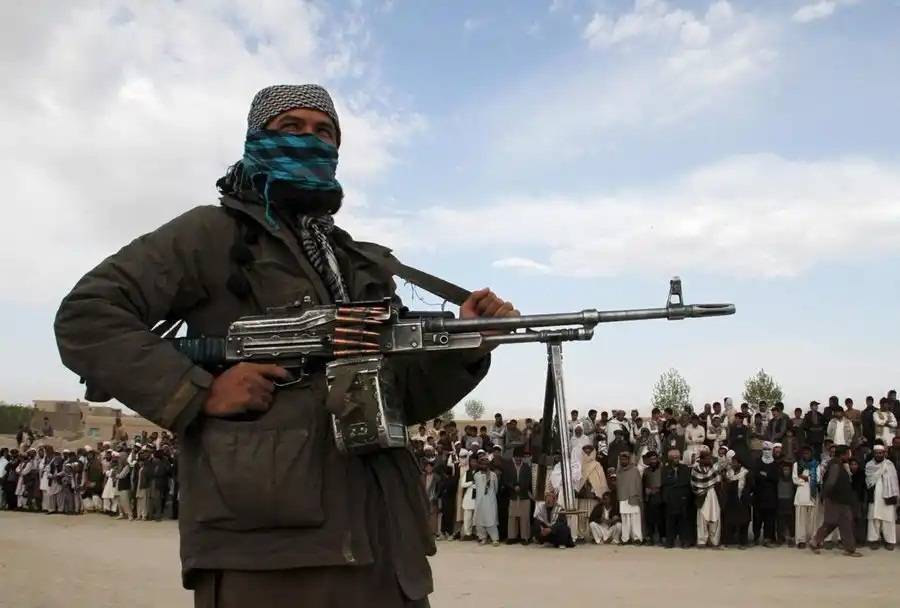
The primary reason behind this trust deficit is the fact that the militant outfit backtracked on its promises made during multiple rounds of talks in return for peace in the tribal districts since TTP’s establishment in December 2007 and their fallout remained unaddressed, Dawn reported.
After the Afghan Taliban captured Kabul in August 2021, the unforeseen exodus of US-led Nato forces gave the group a new lease of life, as the latter reorganized itself and Islamabad also agreed to hold fresh talks with the group under the patronage of the interim Taliban government.
As per the local media sources, the foremost demand raised from the banned TTP was the reversal of the merger of the ex-Fata region with Khyber Pakhtunkhwa in a bid to gain political legitimacy by cashing in on political issues, Dawn reported.
The demand for the reversal of the merger may become a shared goal of the TTP, certain political forces, and those with an “anti-reforms outlook”, Dawn added.
Moreover, TTP recently praised the Federal Shariat Court’s order to the government to implement an Islamic, interest-free banking system within five years.
“Raising voice against an interest-based economy is commendable,” said a statement released to the media on July 8, as the TTP took up the narrative of Pakistan’s religious parties that have been campaigning against the interest-based economy for decades.
The former Fata was merged with KP through 25th Amendment in 2018 and contained seven tribal agencies and six frontier regions.
In a statement for Dawn, Peshawar-based political commentator, Dr Khadim Hussain said the Kabul jirga in June that also had representation from political elements helped “refined” the TTP demands as it sent a “message that an agenda in contrast to the Constitution may not be achievable”.
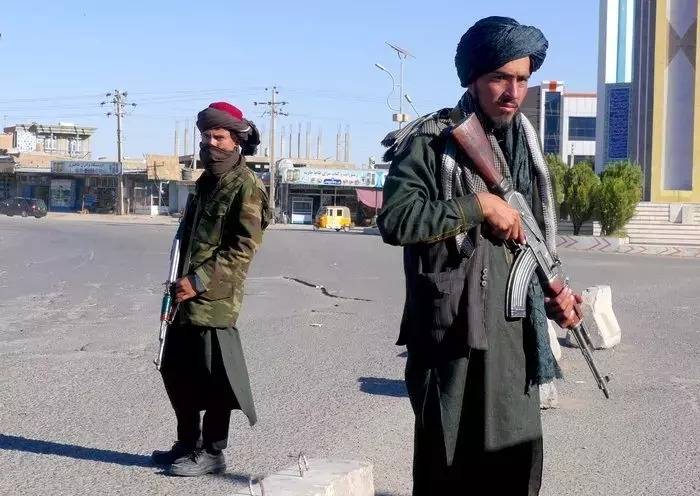
“Recent NSC [National Security Committee] meetings also suggested openness on part of the establishment to streamline the TTP,” he said, adding that there is a willingness on part of certain elements in TTP leadership to open up to mainstreaming and could also take part in elections and even formally join the ranks of security forces as done in the case of Swat.
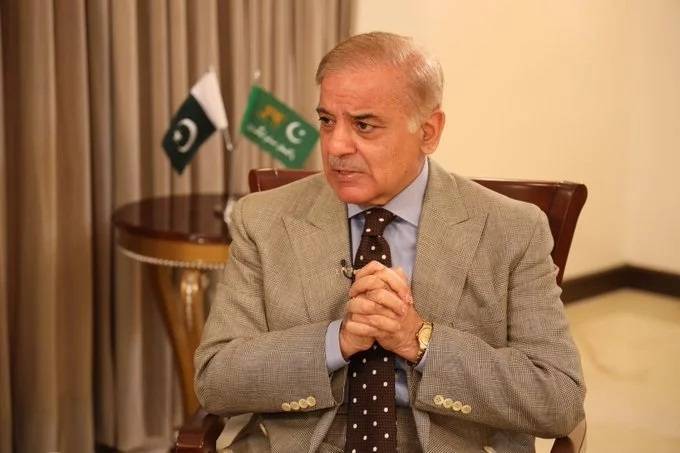
Dr Hussain further pointed out at the violence perpetrated by the terror outfit across Pakistan the government could not make peace with the militant outfit while ignoring the victims of their violence and slammed the Shehbaz government for negotiations with TTP.
Earlier, TTP had on June 2 announced an “indefinite ceasefire” in view of the “substantial progress” made in talks with the Pakistani government during a round of meetings in Kabul.
The announcement had after a 50-member Pakistani tribal jirga — including a federal minister, representatives from the KP government, and tribal elders — joined the peace talks.
Since the Taliban took control of Afghanistan, Pakistan has increasingly complained of attacks across the border from Afghanistan, an issue that has become a source of diplomatic tension.
Regional experts say the rise of TTP enabled by the Afghan Taliban’s steadfast support will expand the threat of terrorist attacks in Pakistan, including against civilian targets. Since its founding in 2007, the TTP has emerged as the most influential and violent anti-Pakistan terrorist outfit in South Asia. Unlike its Afghan namesake, the TTP does not enjoy favorable relations with Islamabad. (ANI)