April 17, 2022
4 mins read

Boris to discuss ties amid ‘threats from autocratic States’ with Modi

“My visit to India will deliver on the things that really matter to the people of both our nations — from job creation and economic growth, to energy security and defence.”..reports Asian Lite News

British Prime Minister Boris Johnson will visit India next week, in the backdrop of Russian invasion of Ukraine that has led to some divergences in Delhi’s and London’s positions on the crisis.

Johnson, who arrives in Ahmedabad on April 21, is expected to announce major investment in key industries in both the UK and India, boosting jobs and growth at home, as well as new collaboration on cutting-edge science, health and technology.

In New Delhi, he will meet Prime Minister Narendra Modi on April 22 for bilateral talks “in the face of global economic challenges and threats from autocratic states”, a British High Commission statement said.

The High Commission said that Johnson will visit India this week to “deepen our long-term partnership for peace and prosperity with a fellow leading democracy, in the face of global economic challenges and threats from autocratic states”.

In Ahmedabad, Johnson will have a meeting with leading businesses and discuss the UK and India’s “thriving commercial, trade and people links”, the statement said. This will be the first time a UK Prime Minister visits Gujarat, India’s fifth largest state and ancestral home of around half of the British-Indian population in the UK, it said.

Johnson, who will meet Modi the following day, will hold “in-depth talks on the UK and India’s strategic defence, diplomatic and economic partnership, aimed at bolstering our close partnership and stepping up security co-operation in the Indo-Pacific”, the British High Commission said.
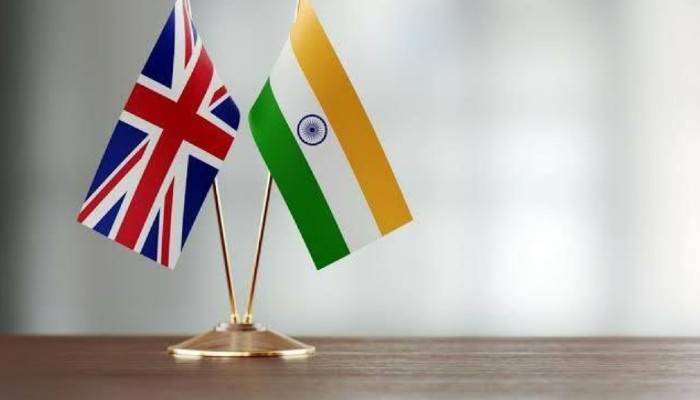
The statement said he will use the visit to drive progress in the Free Trade Agreement (FTA) negotiations launched earlier this year — a deal with India is predicted to boost “our total trade by up to £28 billion annually by 2035 and increase wages across the UK by up to £3 billion”.

Speaking ahead of the visit, Johnson said: “As we face threats to our peace and prosperity from autocratic states, it is vital that democracies and friends stick together. India, as a major economic power and the world’s largest democracy, is a highly valued strategic partner for the UK in these uncertain times.

“My visit to India will deliver on the things that really matter to the people of both our nations — from job creation and economic growth, to energy security and defence.”

Last year, Modi and Johnson had agreed on a UK-India Comprehensive Strategic Partnership, announcing more than £530m in investment into the UK and committing to a deeper bilateral relationship across trade, health, climate, defence and security, and connecting our people. India was identified as a priority relationship for the UK in the 2021 Integrated Review and was invited by the UK as a guest to last year’s G7 in Carbis Bay.

The UK is leveraging post-Brexit trade opportunities with India’s growing economy to drive down prices in key commodities for consumers, open opportunities for UK businesses in areas such as green tech and services, and create high-wage, high-skill jobs, the High Commission’s statement said.

Investment from Indian companies already supports 95,000 jobs across the UK, which is expected to be boosted by upcoming announcements and a future free trade deal.

Parliament returns from its Easter vacation on Tuesday and Johnson has said he would “set the record straight” about gatherings in his office. He had previously told lawmakers there were no parties and guidance was always followed.

But the visit will be overshadowed in part by disagreement over the Ukraine conflict.
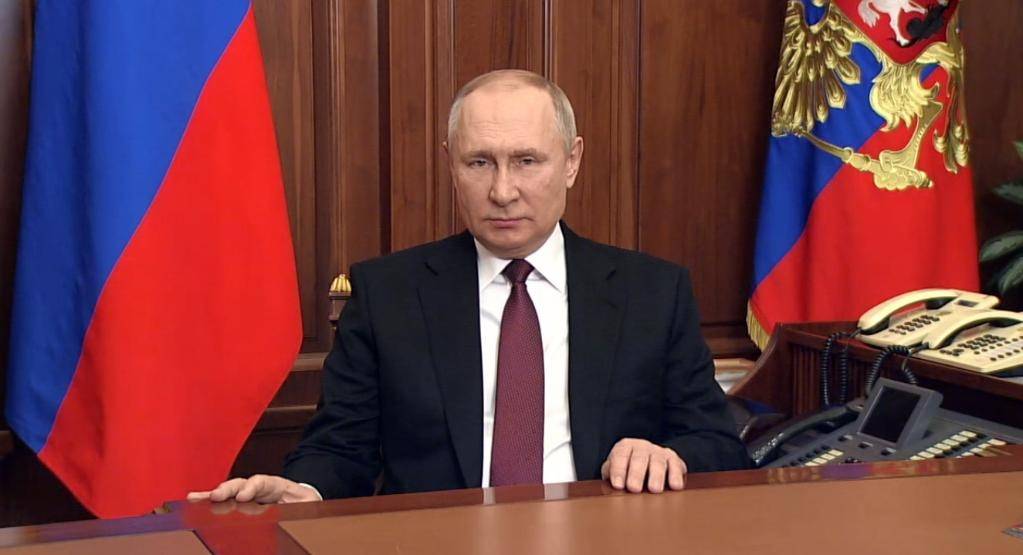
Western allies have called for India, which imports arms from Russia, to condemn Russian President Vladimir Putin in stronger terms, and U.S. President Joe Biden earlier this week told Modi that buying more oil from Russia was not in India’s interest.

British trade minister Anne-Marie Trevelyan also said last month Britain was very disappointed with India’s stance. However, Johnson’s office made no direct reference to the conflict, although a source said it was expected Ukraine would be discussed “among other geopolitical issues”.

Johnson said India, as a major economic power, was a highly valued strategic partner.

FTA TALKS (Picture: Anne-Marie Trevelyan/Twitter)

“As we face threats to our peace and prosperity from autocratic states, it is vital that democracies and friends stick together,” he said in a statement. Last year, he was forced to cancel a planned trip to India because of the coronavirus pandemic.

Last May, the two countries announced a partnership involving more than 530 million pounds of Indian investment into Britain, and Downing Street said Johnson was expected to announce further major investment and new collaboration on cutting-edge science, health and technology.

ALSO READ-FREXIT?

Previous Story

Sudan receives High-level Eritrean delegation

Next Story

Iran’s IRGC seized ship smuggling 250k L of fuel

Previous Story

Sudan receives High-level Eritrean delegation

Next Story

Iran’s IRGC seized ship smuggling 250k L of fuel

Latest from -Top News

Nepal Floods Cause $1.66 Billion In Damage, Says World Bank

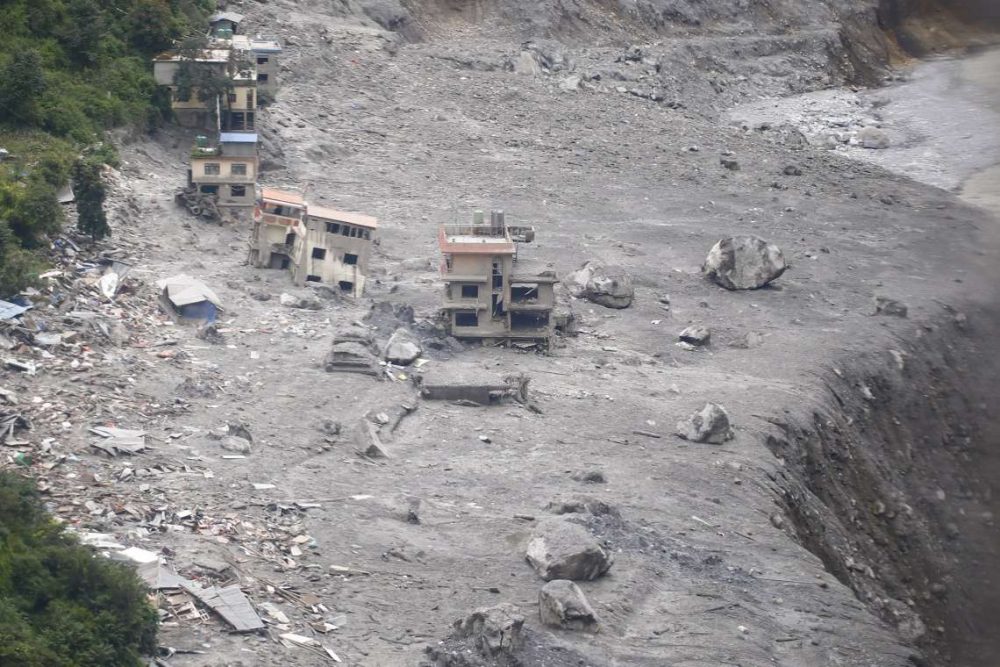
Nepal’s August 2026 floods caused an estimated US$1.66 billion in direct physical damage, with infrastructure accounting for 83 per cent of the total…reports Asian Lite News Desk Nepal’s devastating floods in August 2026 caused an estimated US$1.66 billion in direct physical damage, with infrastructure accounting for 83 per cent of the total, according to a World Bank report. The estimate, included in the World Bank’s Nepal Development Update unveiled this week, is close to the Nepal government’s preliminary Rapid Damage and Needs Assessment (RDNA), which put physical damage at US$1.81 billion. The government’s assessment also estimated losses beyond physical assets at US$883.32 million, taking the total economic effects of the disaster to approximately US$2.7 billion. The World Bank’s Global Rapid Post-Disaster Damage Estimation (GRADE) found that infrastructure suffered the greatest damage, estimated at US$1.38 billion, or 83 per cent of the total. Residential buildings accounted for US$185 million, or 11 per cent, while non-residential buildings sustained damage worth US$101 million, or 6 per cent. The floods along the Bhotekoshi and Trishuli rivers caused extensive damage to hydropower projects, solar energy facilities, electricity transmission infrastructure and transport networks. The energy sector, particularly hydropower, was among the worst affected. The August 2026 floods affected 12 hydropower projects and one solar project, involving 281.1 MW of operational capacity and 395.02 MW of capacity under construction. Damage to transmission lines and substations also disrupted the transmission of 149.6 MW of electricity to the national grid. The total affected capacity reached approximately 430.7 MW, equivalent to 10.6 per cent of Nepal’s installed hydropower and solar capacity at the end of fiscal year 2025-26, which concluded in mid-July. The disaster also severely damaged transport infrastructure along the 82-km Rasuwa trade corridor, which connects Kathmandu with the Rasuwagadhi border point with China. More than 55 km of the corridor was damaged, including 40 km that was completely destroyed. The floods also damaged 37 motorable bridges and 68 suspension bridges. The disaster resulted in significant human losses along the affected corridor and beyond. According to Nepal’s National Disaster Risk Reduction and Management Authority, 1,455 people had been confirmed dead, while 5,285 remained missing following the disaster. The World Bank report found that the physical damage was concentrated in three districts in central Nepal: Rasuwa, Nuwakot and Dhading. Rasuwa was the worst-affected district, accounting for US$1.07 billion, or 64 per cent, of the total direct damage. Nuwakot recorded an estimated US$551 million in damage, while Dhading suffered approximately US$39 million. “The findings highlight the concentration of physical damage in a small number of districts and the disproportionate impact on infrastructure, underscoring the scale of the reconstruction challenge facing the affected areas,” the World Bank said. The global development financier said the floods had demonstrated the scale and complexity of disaster risks in Nepal’s Himalayan environment. The event also showed how a single extreme weather event could trigger cascading impacts across sectors and geographical areas. The report said recovery efforts should extend beyond restoring infrastructure to its pre-disaster condition. While the principle of “Build Back Better” remained relevant, the World Bank stressed that rebuilding infrastructure to higher engineering standards in the same locations might not always be sufficient. “In some cases, simply rebuilding the same infrastructure in the same location to a higher engineering standard may not be sufficient. Nepal may need to build differently — based on a better understanding of risk, more careful decisions about location and design, greater redundancy in critical networks, stronger monitoring and early warning, and a more integrated approach to infrastructure development in the Himalayas,” the report said. The World Bank said Nepal’s recovery strategy should incorporate improved risk assessment, more informed infrastructure planning, stronger monitoring systems and better early warning mechanisms. The report emphasised that reconstruction should not only restore damaged assets but also reduce the impact of future disasters, particularly in the country’s vulnerable Himalayan regions.

Vaccine Delays Fuel Bangladesh Measles Outbreak

More than 32,000 suspected cases and over 250 deaths have been reported since mid-March, with children making up most of the fatalities….reports Asian Lite News Desk Bangladesh’s measles outbreak has intensified, with

Tsai: Stand With Taiwan, Strengthen The Indo-Pacific

The former president said stronger international partnerships would help Taiwan withstand mounting military, cyber and economic pressure while reinforcing democratic resilience….repots Asian Lite News Desk Former Taiwan President Tsai Ing-wen has called
Go toTop