But just as style evolves, so does the fashion industry. And eco-conscious designers are making a true fashion statement by shunning animal leather in favour of vegan (non-animal) leather, slashing their environmental impact in the process…reports Monica Chopra
Can the right outfit really fix everything? We know that clothing can boost confidence, help one land a job, or make a special occasion more festive. But what if it could also tackle many of the world’s most urgent environmental issues? Turns out, it can.
Last year, Sonakshi Sinha starred in a PETA India campaign encouraging her fans to ditch leather, and earlier, Milind Soman and Ankita Konwar starred in PETA India’s vegan fashion lookbook, launched on FDCI x Lakme Fashion Week’s leather-free Sustainable Fashion Day. That’s because the 2017 “Pulse of the Fashion Industry” report, published by the Global Fashion Agenda, Boston Consulting Group, and the Sustainable Apparel Coalition, concluded that cow leather is the most polluting material in fashion, while silk and wool are among the five most environmentally damaging materials.
Largely, that’s because leather is, well, skin, which decomposes unless treated. Calfskin leather is exactly what the name suggests: the skin of baby cows. Leather is also often made from the skin of buffaloes, pigs, goats, sheep, ostriches, kangaroos, dogs, cats, crocodiles, and other animals. Preventing the skin from rotting typically involves using a soup of noxious chemicals which seep into soil and groundwater and run off into rivers and other waterways, contaminating everything they touch. Exposure to these chemicals means that workers in tanneries are prone to a variety of cancers.
The water in South India’s Palar river was described by one reporter as “practically sludge”, as it is highly contaminated with tannery pollution. There are around 250 tanneries in the Kanpur and Unnao regions, through which the Ganges passes. The once-sparkling river, home to rare and unique species of fish, turtles, dolphins, and other wildlife, is now one of the world’s most polluted.
The process of breeding and raising animals, slaughtering them, and turning their skin into leather also requires massive amounts of water, land, and fossil fuels, thus contributing to climate catastrophe. According to some estimates, globally, animal agriculture (the industrial farming of animals, including leather) is responsible for more greenhouse gas emissions than all the world’s transportation systems combined. Runoff from farms and slaughter houses also causes eutrophication in waterways, a serious ecological problem that is the result of animal waste creating an overgrowth of plant life, depleting oxygen levels, and suffocating animals.

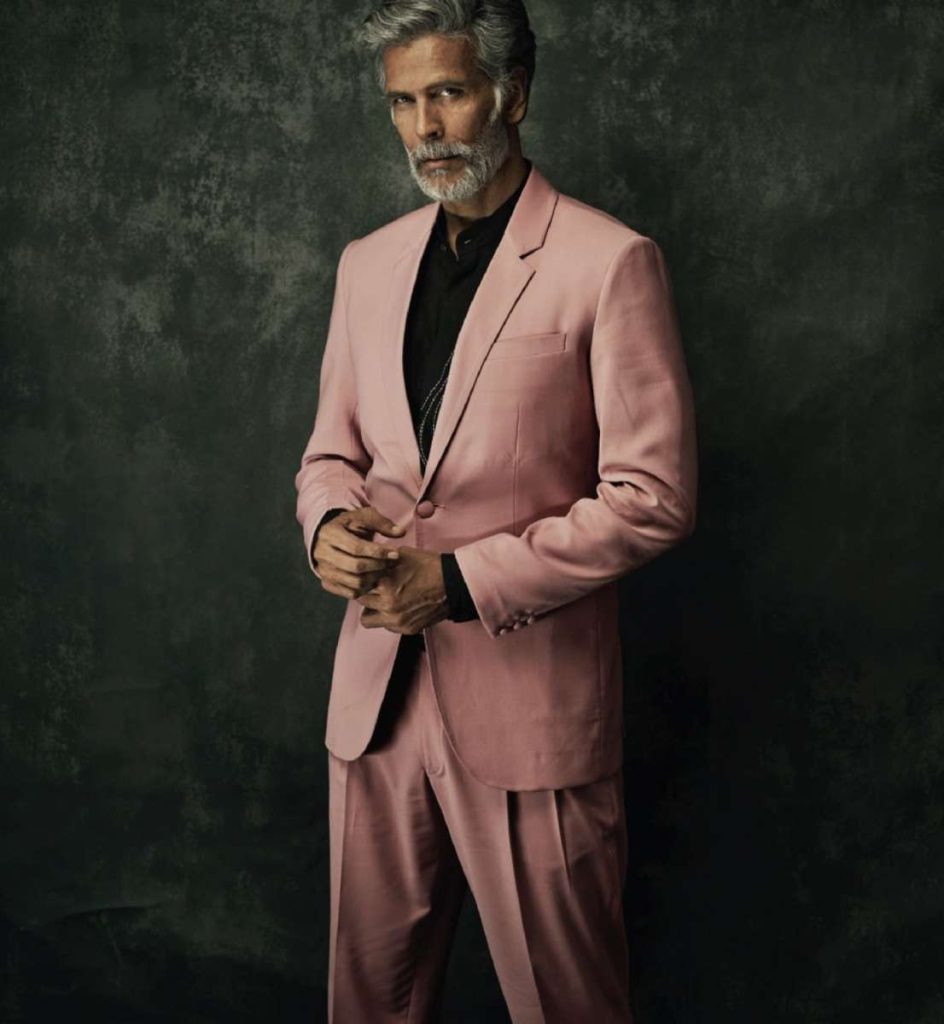
But just as style evolves, so does the fashion industry. And eco-conscious designers are making a true fashion statement by shunning animal leather in favour of vegan (non-animal) leather, slashing their environmental impact in the process. In fact, 33 leading Indian designers agreed to give animal leather the boot to help animals and the environment after being contacted by PETA India and Lakme Fashion Week. They joined the likes of Anita Dongre and Purvi Doshi, who have been leather-free for some time. Many designers and brands are also creating stunning shoes, bags, and other fashion items using innovative new leathers made from pineapple leaves, cork, fruit waste, recycled plastics, mushrooms, mulberry leaves, coconut waste, and more.
Helsinki Fashion Week banned leather from its catwalks starting in 2019. Kanpur-based company Kanpur FlowerCycling scored a PETA India award for its Fleather, biodegradable leather made from discarded temple flowers, which would otherwise also end up in the Ganges. Top international brands including H&M, which partnered with PETA US to create and launch a global vegan fashion collection called “Co-Exist Story”, offer numerous vegan styles. And the list keeps growing as more and more consumers demand cruelty-free, eco-friendly fashion.
As we celebrate World Water Day on March 22, many of us will take shorter showers, turn off the tap while we brush our teeth, or spend less time rinsing our dishes. But if we truly want to protect the world’s water systems, we should vote with our wallets for a greener planet, starting with what we put in our wardrobes.