Is China finally stepping into the vacuum as the `Big Brother` in South Asia? Explores Kaliph Anaz
China’s recent swift moves in Pakistan and in West Asia indicate a certain trend which calls for greater scrutiny. China has made two things clear–it wants the China-Pakistan Economic Corridor (CPEC) to Afghanistan and maybe to Iran and beyond, as it had envisaged in the early stages till the Afghan War intervened.
Second, it wants Pakistan to remain a key part of this grand scheme which has concurrence from Qatar, Saudi Arabia, Iran and Afghanistan. To make this happen, it wants the situation in Pakistan stabilised and it believes the army alone could pull the horses. But the Pakistan Army is in the doldrums currently and requires a helping hand–so China has decided to help the army in negotiating with the terrorist group, Tehreek-e-Taliban Pakistan, persuading the Afghan government which could mean one less thorn to deal with.
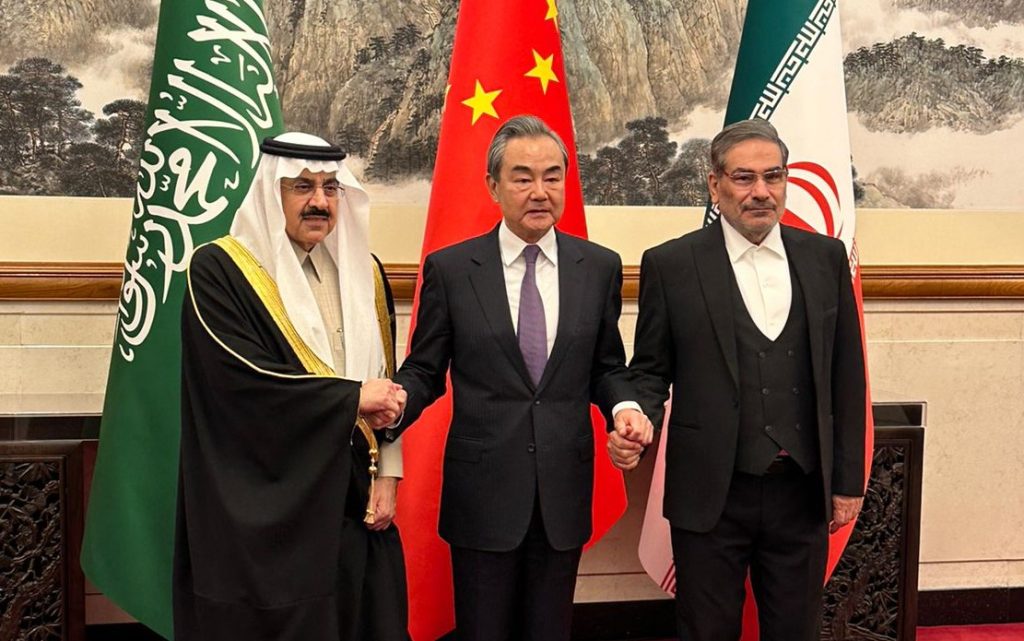
Events have moved rapidly in the region. In March this year, China brokered the breaking of ice between Saudi Arabia and Iran. The relationship between two major Muslim and oil-producing countries had been in cold storage since 2016 when they broke off all relationships on the execution of a prominent Shia leader by Riyadh.
In April end, Pakistan Army chief, General Asim Munir went to China in April for four days–there were enough photo-ops but there was nothing substantial known in public about the contents both sides discussed and agreed upon. Afghanistan and TTP could have played a key role in the meetings.
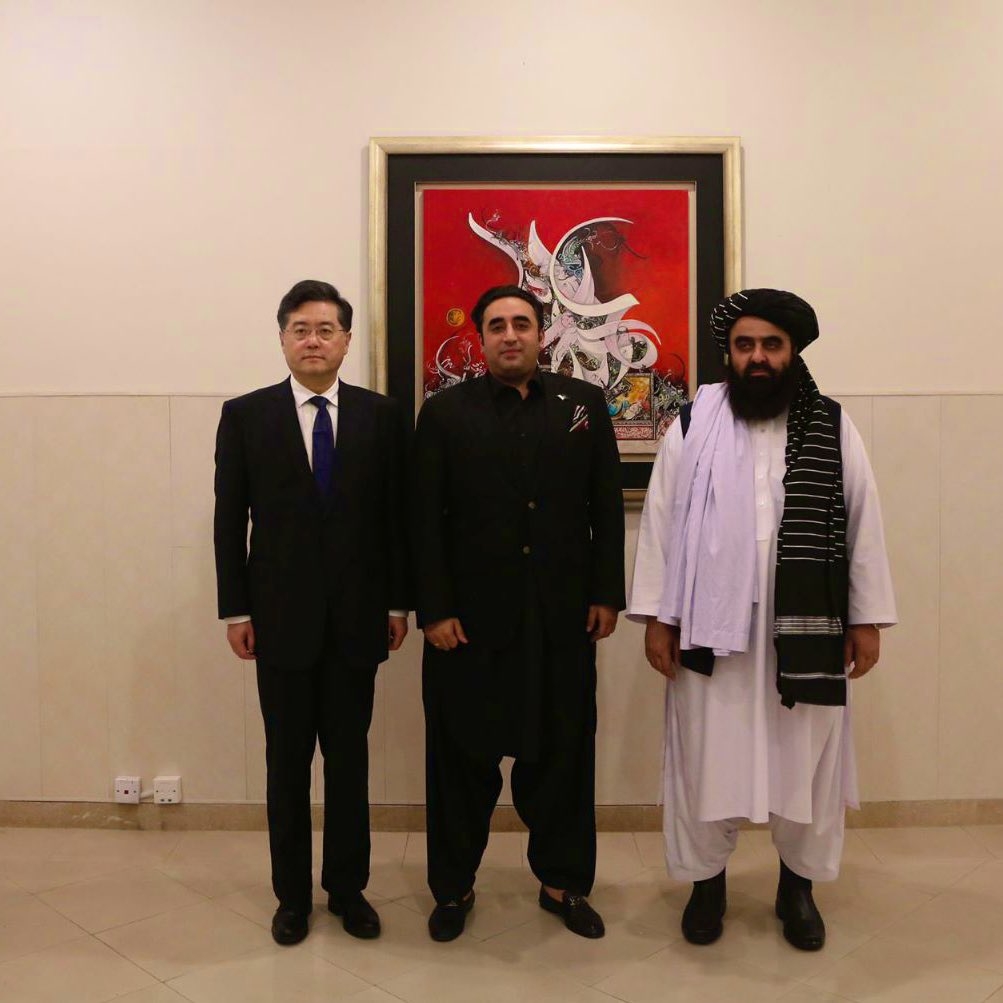
On May 6, a trilateral meeting between China, Pakistan and Afghanistan took place in Islamabad where, among other things, it was decided to extend CPEC to Afghanistan, a clear move to push the transnational project forward. The meeting also saw substantive discussions and agreement on how to deal with the recalcitrant militant group, TTP.
China made it clear to both Pakistan and Afghanistan that stalemate was not an option on this issue because the militancy issue could plug holes in the bilateral relationship. In other words, other nations could enter the fray and spoil the CPEC. The Chinese Foreign Minister Qin Gang said so clearly during his press conference after the trilateral meeting. He hoped “Pakistan and Afghanistan will bear in mind the larger picture and try to work out the issues between them through dialogue and consultation.”
It is believed China has opted to mediate on the TTP issue to find a solution as an amicable way out was put into place by Afghanistan on the issue of the Eastern Turkistan Islamic Movement (ETIM). The ETIM group has been a sore bone in the throat of China for running a terrorist campaign in the Uighur province. The Americans played their game–first banning ETIM when the Chinese showed sympathy in the wake of 9/11 but then reversed the decision subsequently in November 2020.
The Chinese decision to catch the bull by the horn came after the former Army chief, General Qamar Javed Bajwa, shifted gifter during his last days in Rawalpindi and decided to move towards the US. This move created enough friction with China as was revealed in the leaked note of Federal Minister Hina Rabbani Khar which stated that it would be futile for Pakistan to hang between Washington and Beijing.
The Chinese have moved their pieces in Pakistan. Will General Syed Asim Munir pick them up is a million yuan question?