November 17, 2023
3 mins read

Democracy Forum Explores the Democratic Future of Jamaat-e-Islami

Jamaat, recognized as Bangladesh’s largest and well-organized political movement, has been distant from political power since its involvement in the Bangladesh National Party-led government in 2006….reports Asian Lite News

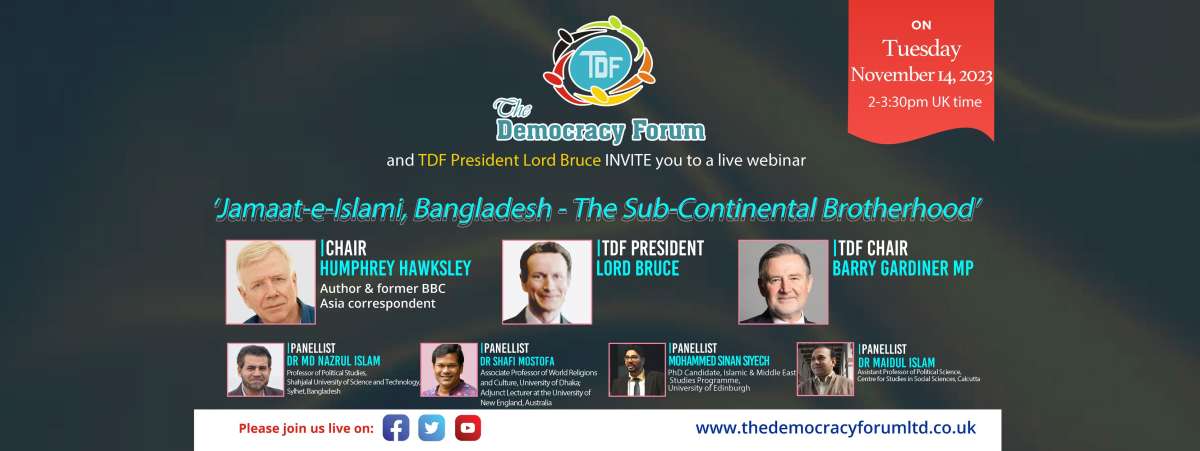
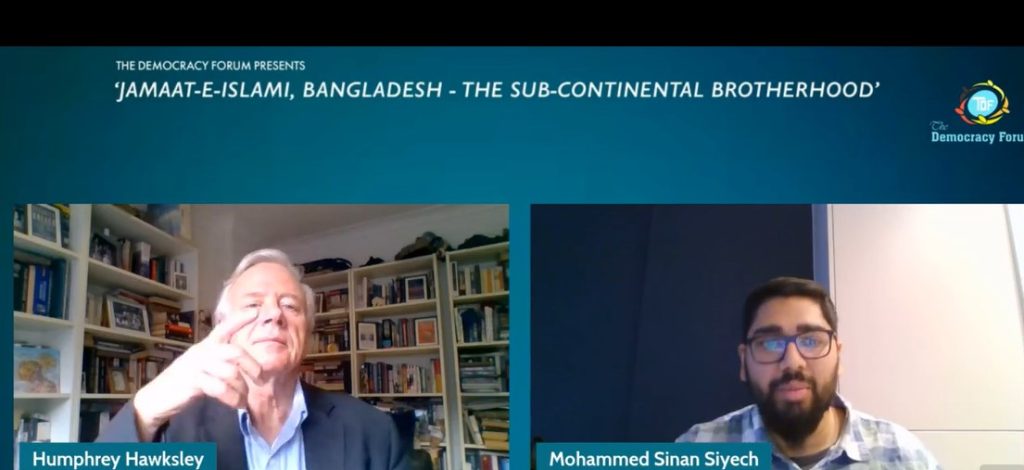
The Democracy Forum (TDF) hosted a webinar named ‘Jamaat-e-Islami, Bangladesh – the subcontinental Brotherhood?’ during which speakers presented differing perspectives on whether the ascendance of Jamaat-e-Islami, Bangladesh, would lead the nation towards regression or if it held the potential to engage in the democratic process, as per a press release by The Democracy Forum.

TDF President, Lord Bruce welcomed panellists to the webinar, which examined the circumstances surrounding the re-emergence of Bangladesh Jamaat-e-Islami (BJI) as a democratic movement, after a decade of political isolation.

He spoke of the political rally held by Jamaat-e-Islam in Dhaka in June this year that appeared to signal a revival in its prospects as a political force. Referencing Jamaat’s history, he outlined how it was established in 1941 and is a movement dedicated to pursuing the ideal of “Hakimiya” to ensure the incorporation of Islamic ideology into all aspects of state governance.
Although widely credited today as Bangladesh’s most populous and arguably best-organised political movement, Jamaat has not been close to exercising power since 2006 when it participated in the BNP (Bangladesh National Party) led government. Lord Bruce highlighted how the record of Jamaat as a responsible political party and coalition partner serving in the former BNP government has been marred by evidence of violence and intimidation and how for the past 15 years, Jamaat has been proscribed as a political actor.

Associate Professor of World Religions and Culture at the University of Dhaka, Shafi Mostofa looked back at Jamaat’s history, agenda and strategy, as well as on its controversial role in Bangladesh’s 1971 War of Independence. He considered the organisation’s contribution to democracy; how Jamaat became king maker and an important factor in Bangladeshi politics and how Jamaat has been used in Bangladesh politics by secular parties.

He spoke of how the party is interconnected to geopolitical factors and how nationalist and secular failures allowed Jamaat-e-Islami to flourish. Referencing the rise of political Islam, Dr Mostofa discussed Jamaat history in which its stated goal is to embrace Islam, covering all material and spiritual aspects of human life guided completely by the Quran.

Mohammed Sinan Siyech, PhD Candidate, Islamic & Middle East Studies Programmed, University of Edinburgh examined Jamaat-e-Islami’s transnational connections, and its organisational structure in Bangladesh. He spoke of how political Islam is transnational with different manifestations to counter pan-Arab nationalism.

Maidul Islam, Assistant Professor of Political Science, Centre for Studies in Social Sciences, Calcutta assessed the influence of Jamaat-e-Islami in Contemporary Bangladeshi Politics, 2008-2023, focusing on the more recent electoral results, the crisis of Jamaat and the possible challenges the organisation faces in contemporary Bangladesh. He also asked whether Jamaat still has any real potential to revamp itself and make a mark in Bangladesh politics by using an alternative platform and making tactical social and political alliances.

In a tactical change, Jamaat’s leadership is now considering changing its position from the time of the Bangladesh Liberation War, although for some, its fundamental position has not changed, even though the rhetoric has become softer.

Dr Md Nazrul Islam, Professor of Political Studies, Shahjalal University of Science and Technology, Sylhet, Bangladesh explored the theme of Jamaat and democracy and spoke of opportunities for reconciliation between Jamaat and democracy within secular and semi-secular parties.

Speaking about the position of Jamaat on democracy, he said that neither Islam nor democracy is monolithic, therefore political Islam is not monolithic either. He suggested, too, that Jamaat and democracy are not necessarily incompatible adding that the party has supported constitutionalism and electoral politics. (ANI)
ALSO READ: 130 Factories Closed in Bangladesh Amid Labour Protest

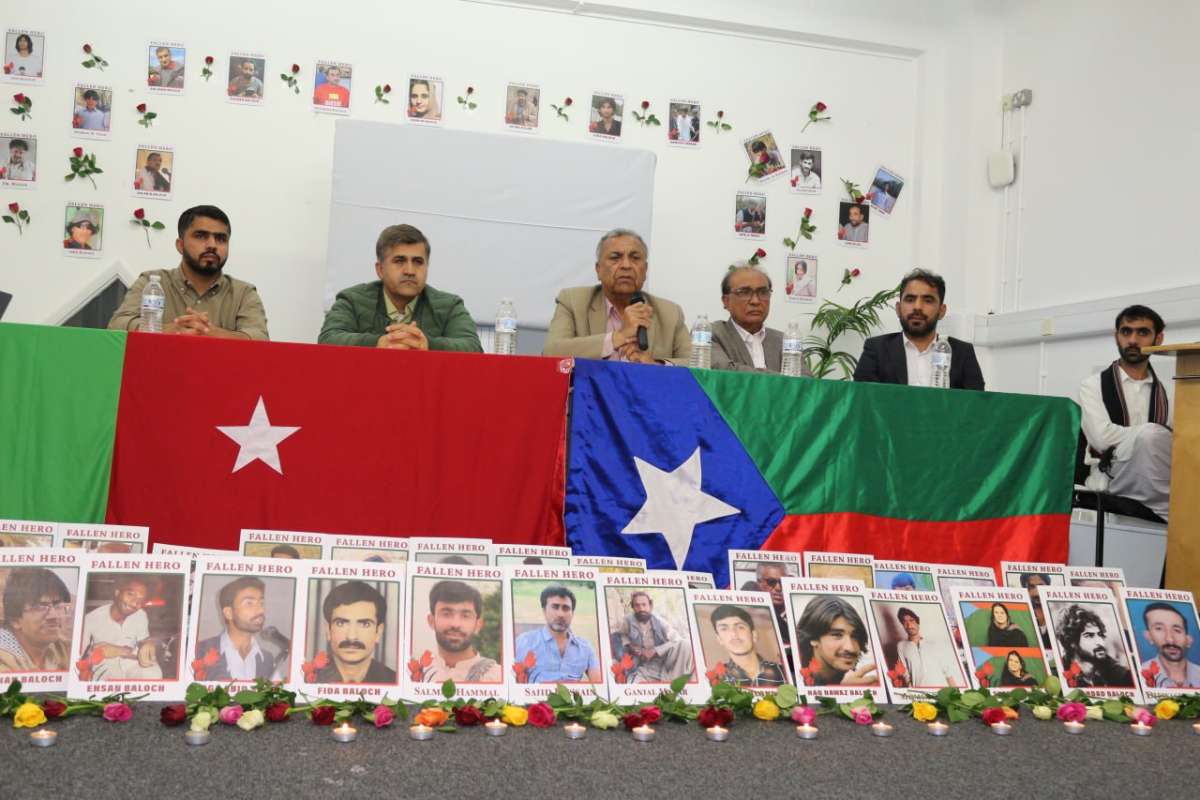
ALSO READ: Niaz Baloch Named Deputy Coordinator by Baloch National Movement

Previous Story

Balochistan’s Valor: BNM Pays Homage in Global Events

Next Story

Tech Titans Meet Xi Jinping at Gala Dinner

Previous Story

Balochistan’s Valor: BNM Pays Homage in Global Events

Next Story

Tech Titans Meet Xi Jinping at Gala Dinner

Latest from -Top News

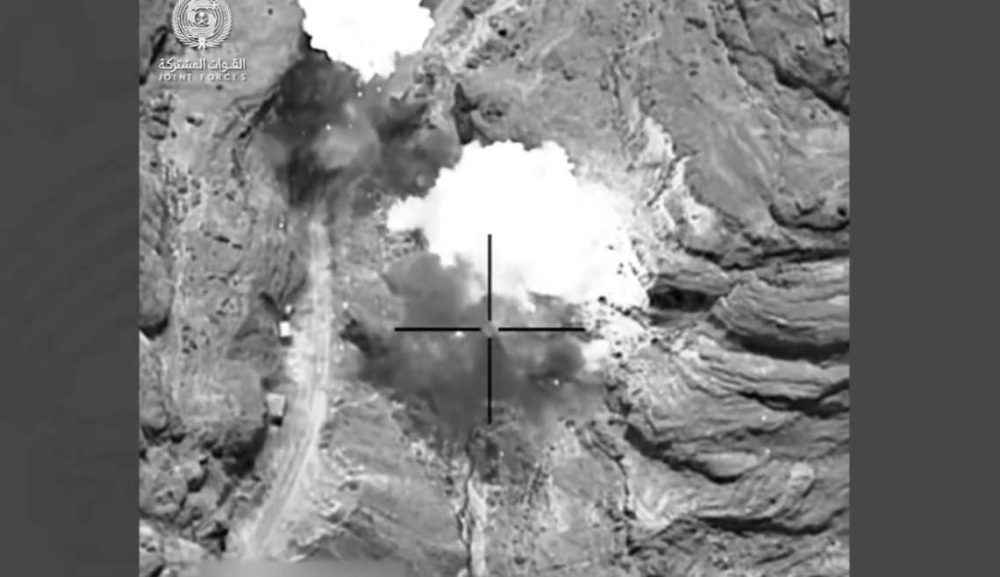
Pakistan Risks Overstretching Itself in Yemen War

Pakistan’s expanding military role in Saudi Arabia amid the Yemen conflict could strain its defence resources and fragile finances…reports Asian Lite News Desk Pakistan’s military involvement in the war in Yemen may prove unsustainable because of mounting financial pressures and competing security demands, according to a new report. Islamabad’s growing military presence in Saudi Arabia risks stretching its defence resources while exposing the country to greater strategic and economic challenges. An article by Andrew Wilson in One World Outlook describes Pakistan’s involvement as a case of “fiscal and strategic overreach”, arguing that the country lacks the financial flexibility to sustain an expanded military commitment. Pakistan’s external finances depend heavily on an International Monetary Fund (IMF) programme, financial support from Gulf countries and remittances from Pakistani workers in the region. The report argues that deeper military involvement in the conflict could place additional pressure on these sources of financial stability. It also warns that deploying troops and military equipment abroad could weaken Pakistan’s capacity to address security challenges along its eastern border and deal with two domestic insurgencies. The move could also draw Islamabad into a conflict it has sought to approach cautiously. A Reuters report in May, citing Pakistani security and government sources, said Islamabad had deployed around 8,000 troops, a squadron of approximately 16 aircraft, mostly JF-17 fighter jets, two drone squadrons and a Chinese HQ-9 air-defence battery to Saudi Arabia. According to those sources, Riyadh was financing the deployment, with Pakistani personnel operating the equipment. The sources also said a confidential agreement contemplated the possibility of deploying up to 80,000 troops. Islamabad has not confirmed those figures, although it has acknowledged its military presence in Saudi Arabia, including the deployment of fighter jets at King Abdulaziz Air Base from April. The One World Outlook article argues that Saudi financial support can cover allowances and operating expenses but cannot easily replace military equipment needed elsewhere or resolve the political and strategic challenges of participating in the Yemen conflict. Pakistan’s defence budget is another concern. For the 2026-27 financial year, the federal government allocated PKR 3 trillion, or approximately $10.8 billion, to defence services. The allocation represents an 18 per cent increase from the original PKR 2.55 trillion provision and amounts to around 2.1 per cent of projected gross domestic product (GDP). Defence spending accounts for approximately 16 per cent of the federal government’s PKR 18.8 trillion expenditure. Military pensions are budgeted separately at PKR 822 billion, while debt servicing costs stand at approximately PKR 8 trillion, more than two-and-a-half times the defence allocation. The report argues that these competing financial obligations leave little room for additional military expenditure without placing further pressure on public finances. Pakistan’s reliance on IMF assistance also limits its fiscal flexibility. The country must meet the conditions attached to the programme, including a primary budget surplus target of 2 per cent of GDP and continued restraint on development spending. According to the article, these requirements make it difficult for Islamabad to finance an additional military commitment without compromising other budgetary priorities. Pakistan’s economic indicators offer limited reassurance. Economic growth for the 2025-26 financial year is estimated at between 3.6 and 3.7 per cent, while inflation reached approximately 10.3 per cent in September following an energy price shock. Foreign exchange reserves stood at around $21.5 billion at the end of September. Although this marks an improvement from the low levels recorded in 2023, the report notes that the reserves cover only a few months of imports. Financial assistance from Gulf partners remains central to Pakistan’s external stability. The article says Islamabad holds approximately $8 billion in Saudi deposits at its central bank. In July, the State Bank of Pakistan said Riyadh had extended the maturity of $5 billion in deposits to December 2028, easing the country’s immediate external financing requirements. A further $3 billion deposit was also extended in the spring. However, the article argues that these arrangements provide temporary relief rather than long-term financial independence, particularly as regional conflict threatens the stability of the Gulf economies on which Pakistan relies. The report concludes that Pakistan faces a difficult balance between supporting Saudi Arabia militarily and preserving the financial and military resources needed to address its domestic and regional challenges.
Go toTop

Don't Miss

Hasina announces long-term plans for future of children

Her government has long-term plans to make the future beautiful

Bangladesh Airport on high alert after bomb threat 

Group Captain Kamrul Islam, Executive Director of the airport, confirmed