August 23, 2023
2 mins read

India on Track to Become $5 Trillion Economy: Modi at BRICS summit

At the summit, the Prime Minister shared that India possesses the globe’s third-largest startup ecosystem, boasting 100+ unicorns….reports Asian Lite News

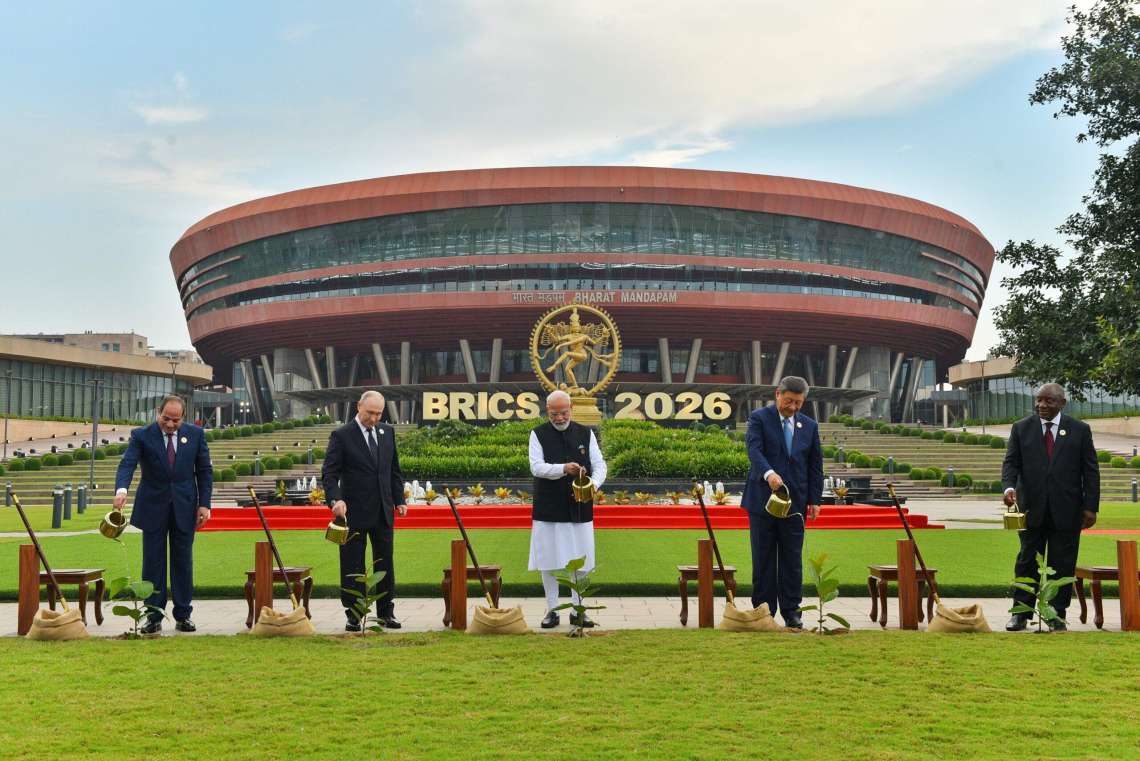
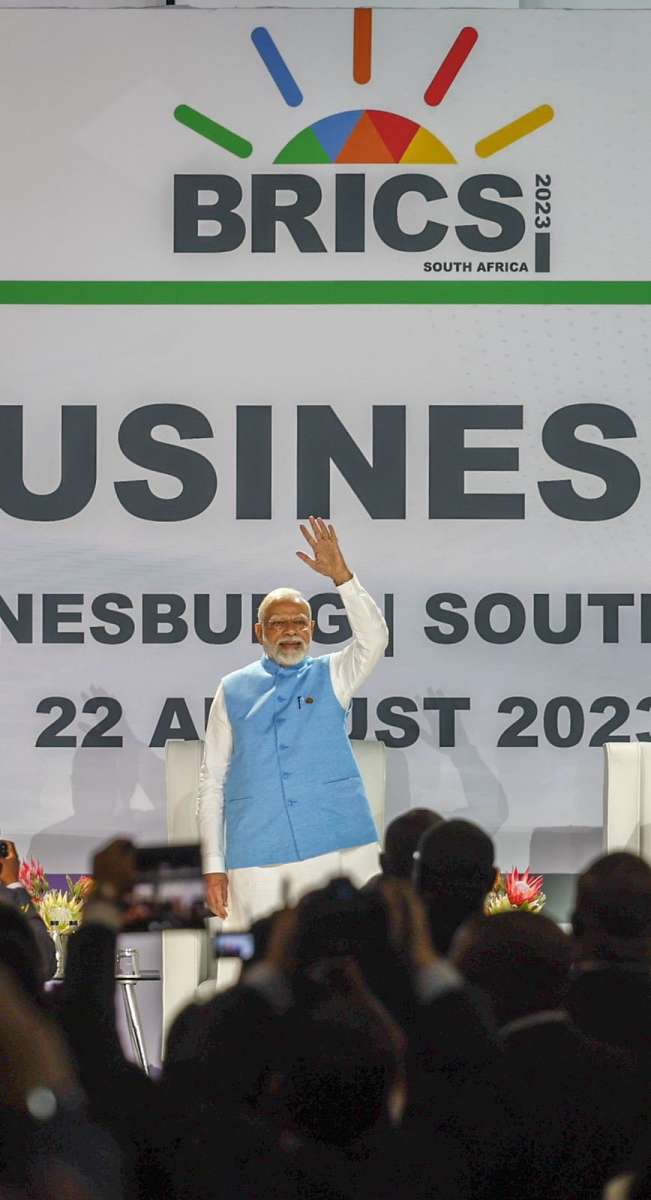
Addressing the BRICS Business Forum Leaders’ Dialogue in Johannesburg on Tuesday, Prime Minister Narendra Modi said that despite global challenges, India has emerged as the fastest growing economy and will soon become a $5 trillion economy.

“Despite a shaky world economy, India has emerged as the world’s fastest-growing major economy. India will soon become $5 trillion economy,” Modi said in his address.

“In 2009, when the first BRICS summit was held, the world was coming out of a big economic crisis. At that time, BRICS had emerged as a ray of hope for the world economy,” he noted.

India has the world’s third largest startup ecosytem with over 100 unicorns, the Prime Minister informed the gathering, adding that with mission mode reforms, and ease of doing business has improved in the country.

“India will become the growth engine for the world in the coming years as investor confidence has increased after the implementation of GST and Insolvency and Bankruptcy Code in the country.

“Defence and space sectors have been opened for the private sector and with the use of technology, we have taken a leap in financial inclusion.Today, UPI is being used by street vendors to those in shopping malls… We are actively taking steps to make India a manufacturing hub in the areas of solar energy, wind energy, electric vehicles and green hydrogen,” Modi highlighted.

Earlier in his address at the forum, South Africa President Cyril Ramaphosa said that Africa is focusing on women’s empowerment.

“We in Africa, as we seek to grow and develop, are focusing on the empowerment of the women of our continent who have been held back through years of colonialism, and in our case through the years of apartheid through protocols and laws. We need to free the women of our continent so that they can trade, be in business and to grow the economies of our various countries,” he said.

“We require a fundamental reform of the global financial institutions so that they can be more agile and responsive to the challenges facing developing economies,” Ramaphosa added.
ALSO READ: India’s BRICS Engagement: Navigating Challenges

Previous Story

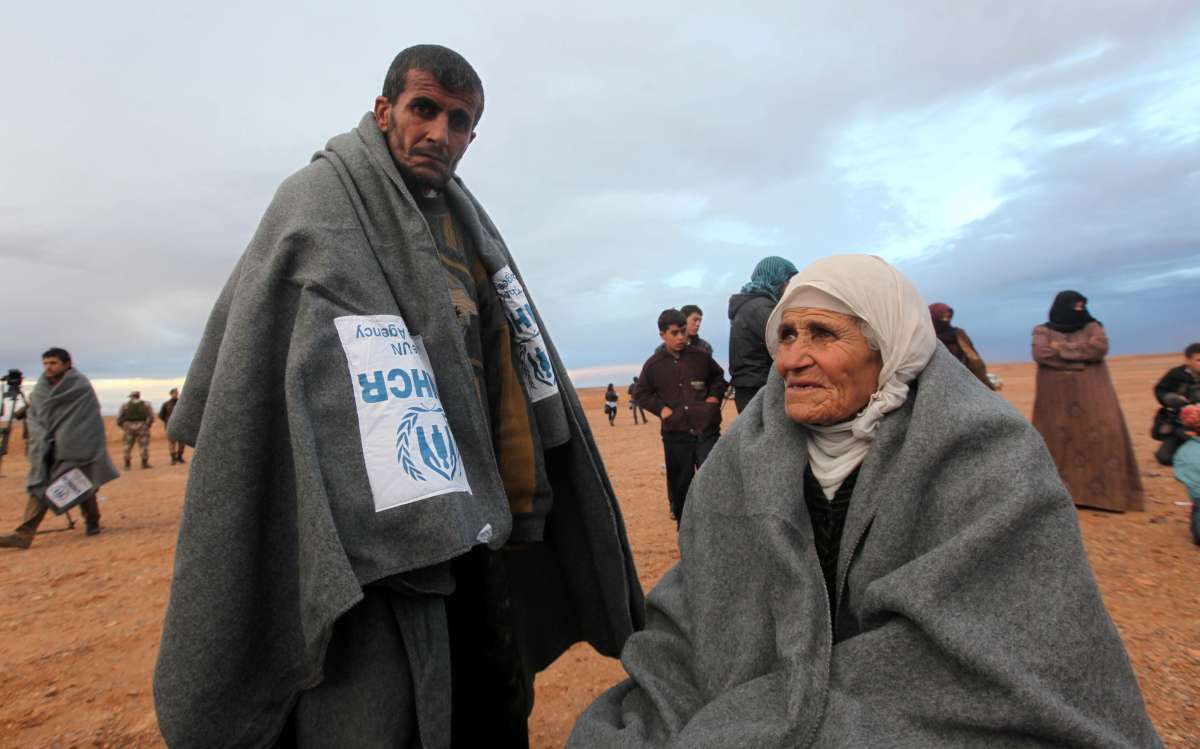
Jordan and UNHCR Collaborate on Syrian Refugee Return Infrastructure

Next Story

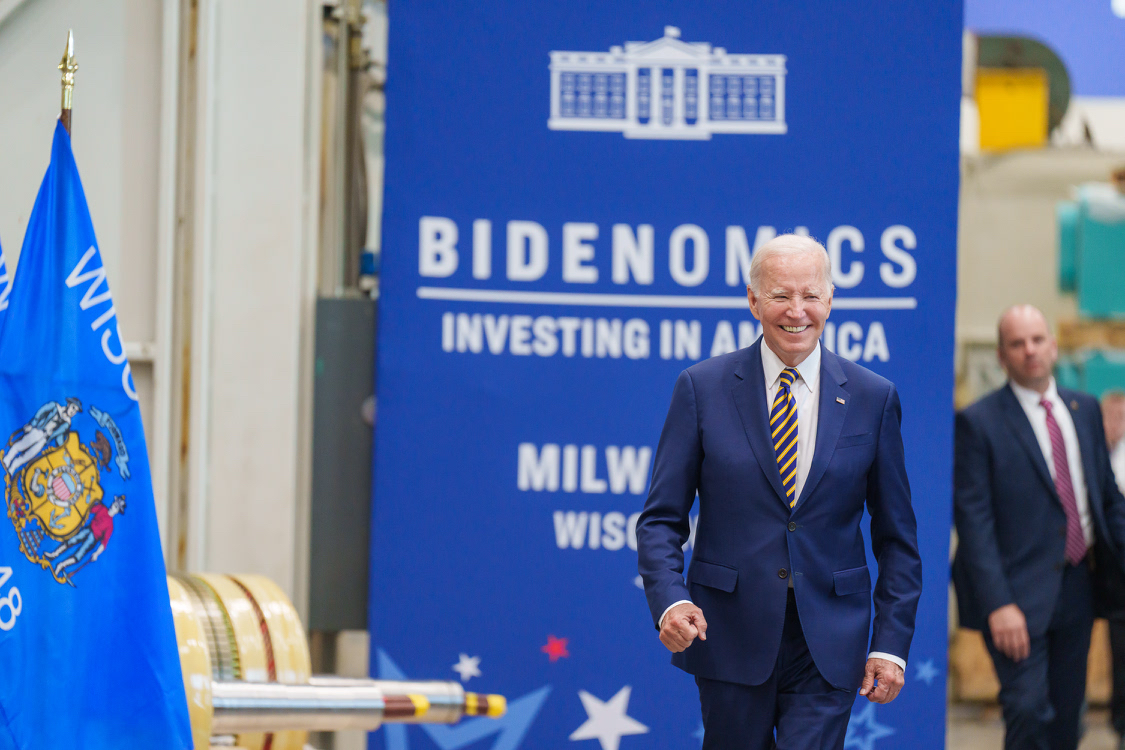
Biden to Visit India for G-20 Summit, Focus on Multilateral Development Banks

Previous Story

Jordan and UNHCR Collaborate on Syrian Refugee Return Infrastructure

Next Story

Biden to Visit India for G-20 Summit, Focus on Multilateral Development Banks

Latest from -Top News

Nepal Floods Cause $1.66 Billion In Damage, Says World Bank

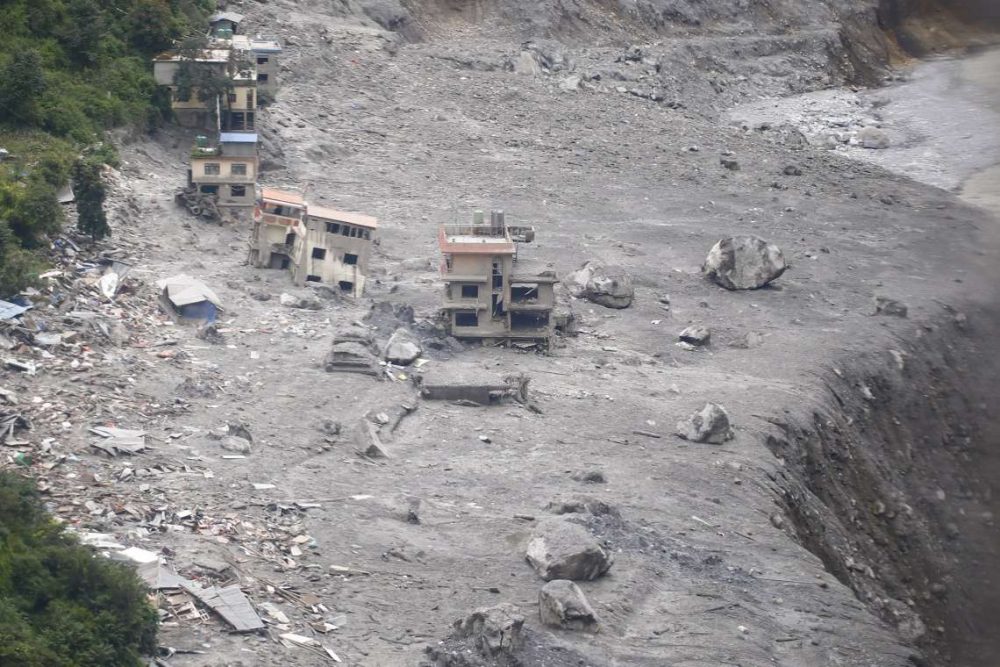
Nepal’s August 2026 floods caused an estimated US$1.66 billion in direct physical damage, with infrastructure accounting for 83 per cent of the total…reports Asian Lite News Desk Nepal’s devastating floods in August 2026 caused an estimated US$1.66 billion in direct physical damage, with infrastructure accounting for 83 per cent of the total, according to a World Bank report. The estimate, included in the World Bank’s Nepal Development Update unveiled this week, is close to the Nepal government’s preliminary Rapid Damage and Needs Assessment (RDNA), which put physical damage at US$1.81 billion. The government’s assessment also estimated losses beyond physical assets at US$883.32 million, taking the total economic effects of the disaster to approximately US$2.7 billion. The World Bank’s Global Rapid Post-Disaster Damage Estimation (GRADE) found that infrastructure suffered the greatest damage, estimated at US$1.38 billion, or 83 per cent of the total. Residential buildings accounted for US$185 million, or 11 per cent, while non-residential buildings sustained damage worth US$101 million, or 6 per cent. The floods along the Bhotekoshi and Trishuli rivers caused extensive damage to hydropower projects, solar energy facilities, electricity transmission infrastructure and transport networks. The energy sector, particularly hydropower, was among the worst affected. The August 2026 floods affected 12 hydropower projects and one solar project, involving 281.1 MW of operational capacity and 395.02 MW of capacity under construction. Damage to transmission lines and substations also disrupted the transmission of 149.6 MW of electricity to the national grid. The total affected capacity reached approximately 430.7 MW, equivalent to 10.6 per cent of Nepal’s installed hydropower and solar capacity at the end of fiscal year 2025-26, which concluded in mid-July. The disaster also severely damaged transport infrastructure along the 82-km Rasuwa trade corridor, which connects Kathmandu with the Rasuwagadhi border point with China. More than 55 km of the corridor was damaged, including 40 km that was completely destroyed. The floods also damaged 37 motorable bridges and 68 suspension bridges. The disaster resulted in significant human losses along the affected corridor and beyond. According to Nepal’s National Disaster Risk Reduction and Management Authority, 1,455 people had been confirmed dead, while 5,285 remained missing following the disaster. The World Bank report found that the physical damage was concentrated in three districts in central Nepal: Rasuwa, Nuwakot and Dhading. Rasuwa was the worst-affected district, accounting for US$1.07 billion, or 64 per cent, of the total direct damage. Nuwakot recorded an estimated US$551 million in damage, while Dhading suffered approximately US$39 million. “The findings highlight the concentration of physical damage in a small number of districts and the disproportionate impact on infrastructure, underscoring the scale of the reconstruction challenge facing the affected areas,” the World Bank said. The global development financier said the floods had demonstrated the scale and complexity of disaster risks in Nepal’s Himalayan environment. The event also showed how a single extreme weather event could trigger cascading impacts across sectors and geographical areas. The report said recovery efforts should extend beyond restoring infrastructure to its pre-disaster condition. While the principle of “Build Back Better” remained relevant, the World Bank stressed that rebuilding infrastructure to higher engineering standards in the same locations might not always be sufficient. “In some cases, simply rebuilding the same infrastructure in the same location to a higher engineering standard may not be sufficient. Nepal may need to build differently — based on a better understanding of risk, more careful decisions about location and design, greater redundancy in critical networks, stronger monitoring and early warning, and a more integrated approach to infrastructure development in the Himalayas,” the report said. The World Bank said Nepal’s recovery strategy should incorporate improved risk assessment, more informed infrastructure planning, stronger monitoring systems and better early warning mechanisms. The report emphasised that reconstruction should not only restore damaged assets but also reduce the impact of future disasters, particularly in the country’s vulnerable Himalayan regions.

Vaccine Delays Fuel Bangladesh Measles Outbreak

More than 32,000 suspected cases and over 250 deaths have been reported since mid-March, with children making up most of the fatalities….reports Asian Lite News Desk Bangladesh’s measles outbreak has intensified, with

Tsai: Stand With Taiwan, Strengthen The Indo-Pacific

The former president said stronger international partnerships would help Taiwan withstand mounting military, cyber and economic pressure while reinforcing democratic resilience….repots Asian Lite News Desk Former Taiwan President Tsai Ing-wen has called
Go toTop

Don't Miss

‘Indian banking will maintain its growth momentum’

The increasing interest rate, protracted geopolitical tension, the negative spillovers

Jaishankar congratulates UK’s new Foreign Secretary Miliband

External Affairs Minister S. Jaishankar has congratulated Ed Miliband on