Indonesia is worried about falling into a financial trap similar to Sri Lanka, which was compelled to lease Hambantota Port to China in exchange for debt relief…reports Asian Lite News
Indonesia, the largest economy in Southeast Asia has grown its debt to China over time and used more Chinese yuan in its international trade. Indonesia will find it more challenging to fend off China’s escalating aggression in the South China Sea as it becomes more dependent on China, Nepal-based online magazine e-Pardafas reported.
According to a recent report of Nikkei Asia, in December 2022, the Kereta Cepat Indonesia China (KCIC) railway requested extending the 50-year concession it had for a high-speed train that was being built in Java for an additional 30 years. Indonesia is worried about falling into a financial trap similar to Sri Lanka, which was compelled to lease Hambantota Port to China in exchange for debt relief, as the railway would remain under Chinese control if the Indonesian government is unable to reject the proposal.
Several African nations have also experienced this situation. According to a report by AidData, the KCIC rail line, which was financed with a USD 4.5 billion Chinese loan and is part of China’s Belt and Road Initiative (BRI), has left Indonesia and many other nations with a pile of unreported debt. The train project is 40 per cent owned by Chinese companies, e-Pardafas reported.
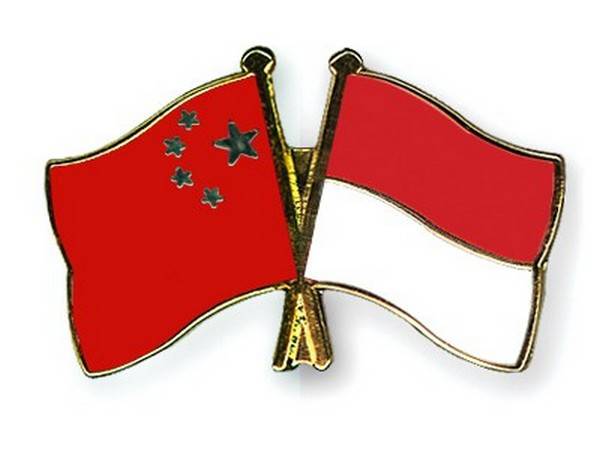
It’s probable that Jakarta’s worries about a potential 80-year concession are not unwarranted. The Hambantota Port in Sri Lanka was leased to China in 2017 for 99 years after the Sri Lankan government started having trouble repaying construction debts.
The incident is seen as a classic example of “debt trap diplomacy,” in which a creditor country offers an excessive amount of loans before demanding political or economic concessions when the debtor nation is unable to make repayments. In this instance, China was successful in seizing control of the crucial port for global geopolitics in the midst of the Indian Ocean.
More than ten years ago, Chinese President Xi Jinping unveiled the Belt and Road Initiative (BRI), a vast infrastructural project with the objective of extending Chinese influence and goods around the world. Since then, more than 150 nations have reached agreements with China because they are desperate for resources and infrastructure, e-Pardafas reported. (ANI)