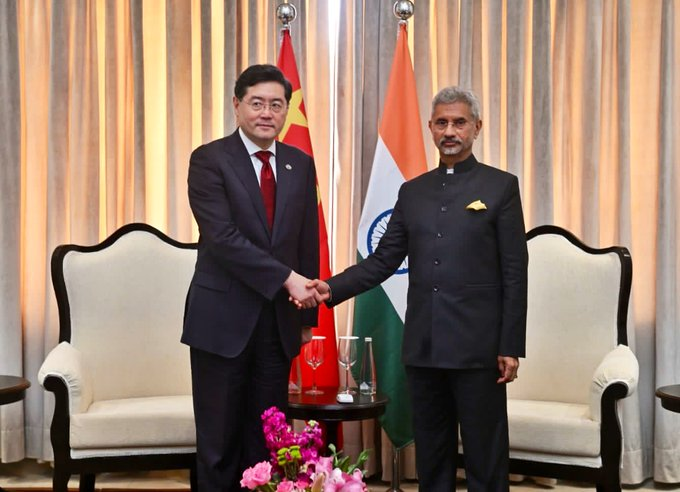
Going by the tough bytes, interesting days may seem ahead as far as India-China ties are concerned….writes Animesh Singh
A “no-nonsense” approach towards China seems to be taking shape in New Delhi, if India’s recent responses to the ‘Dragon’s incursions and attempts to violate territory can be of any indication.
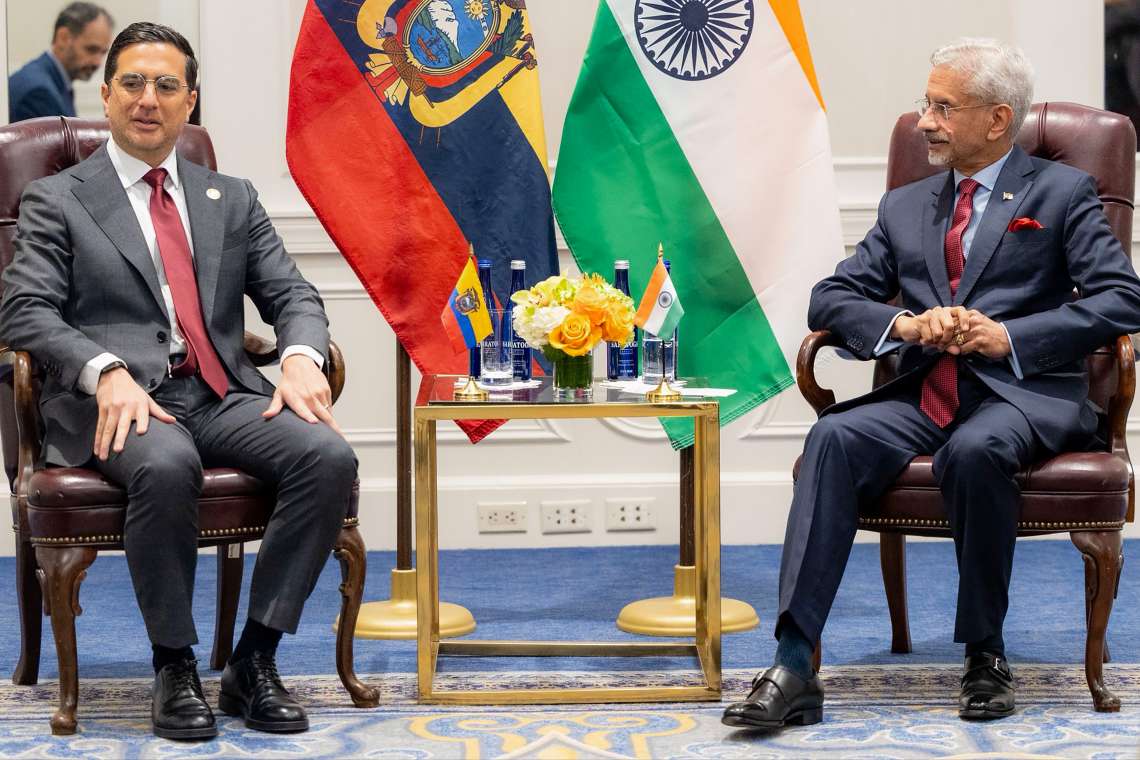
This prescription by External Affairs Minister S. Jaishankar is loosely being termed as the “Jaishankar Doctrine” by foreign affairs experts, as some tough messages have been sent across to China by India in the recent past.
While India’s firm counter-action against China’s incursions during the Galwan stand-off of 2020 sent an incisive message across the border, Jaishankar’s strong words during the past few days have been indicative of this ‘doctrine’.
Just couple of days back, while the Indian community in Uganda, Jaishankar said forces who indulge in cross-border terrorism against India for decades now know this is a “different India” which will give them a reply, clearly indicating at New Delhi’s renewed capabilities of meeting any national security challenges posed by China and also Pakistan.
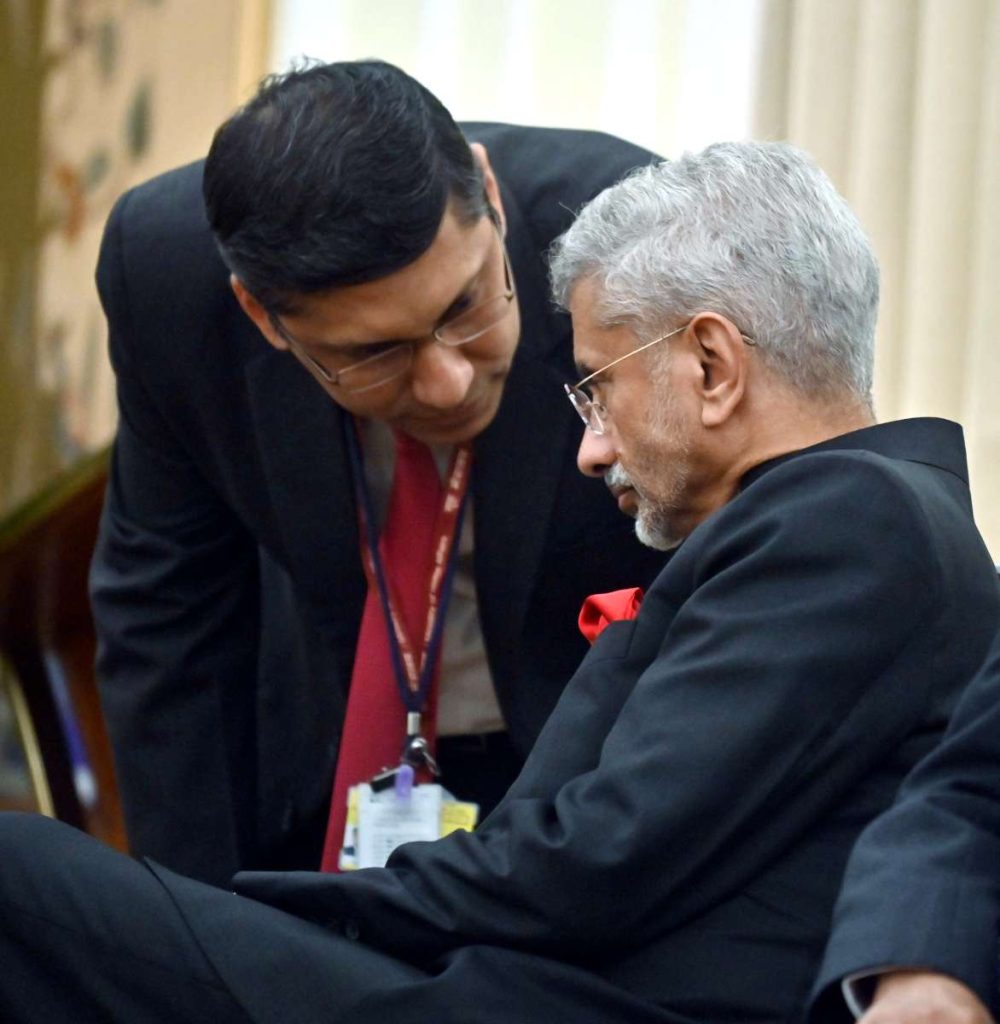
About the challenges India faces on its borders, Jaishankar said: “Today people see a different India that is willing to stand up and India which will meet its national security challenges whether it is Uri or whether it is Balakot.”
He was referring to the 2016 Uri attack by Jaish-e-Mohammed insurgents from Pakistan against an Indian Army brigade headquarters and the 2019 Balakot airstrike conducted by Indian warplanes in Balakot, Pakistan against a terrorist training camp.
“Today, the forces which indulged in cross-border terrorism against India for decades and which India tolerated, they now know this is a different India and this India will give them a reply,” he said.
On the challenges being faced in areas along the Chinese border, Jaishankar said: “For the last three years, in violation of the agreements, the Chinese have brought large forces.”
He went on to add, though, that today the Indian military is deployed at very great heights and in very tough conditions.
“This situation is different from the past as Indian soldiers have now the full backing, they have the right equipment and the infrastructure,” he said
Last month while addressing a media event, Jaishankar had said that the country’s relationship with China is “challenging and abnormal”.
“The China situation is very fragile and the situation is very challenging. You cannot violate agreements and pretend that everything is normal.
“There will be no normal ties with China if border agreements are breached. You have to mutually agree on patrolling in certain areas. In the 1970s, we chose areas where we wouldn’t patrol,” he had said.
Going by the tough bytes, interesting days may seem ahead as far as India-China ties are concerned.