The Arab, Muslim, Middle Eastern, South Asian, and Sikh communities have long experienced discrimination and violence in the US, which reportedly intensified after the attacks…reports Asian Lite News
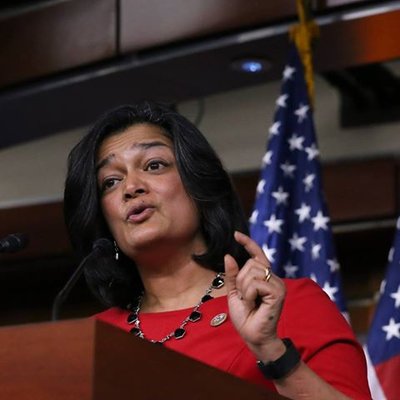
A group of lawmakers, including Indian-American Pramila Jayapal, has introduced a Congressional resolution condemning hatred, xenophobia, and racism against South Asian, Sikh, Arab, Muslim and Mid-Eastern communities in the aftermath of the September 11, 2001 terrorist attacks.
Introduced on September 9 ahead of the 22nd anniversary of one of the deadliest terrorist attacks in the history of the US, the resolution recognised the tragedy and put forward a series of recommendations to support those affected by the hateful profiling after the attack.
“This day irrevocably changed our country and its impact is still felt. As we mark this tragic day, we must also reflect on the lasting damages faced by Arab, Muslim, Middle Eastern, South Asian, and Sikh communities in the aftermath,” Congresswoman Jayapal said.
“The murders of Balbir Singh Sodhi, Waqar Hassan, and Adel Karas in the days following the attack were shocking displays of hatred. Xenophobia and racism have no place in this country, and today we recognise the shared trauma that these communities faced as they experienced stigma, discrimination, and losses of liberty,” she added.
The resolution called for the creation of an interagency task force to work with community-based organisations to review government policies, investigate and document their impact, and dismantle those policies that continue to profile and unfairly target these communities.
It also called for hearings by congressional and civil rights bodies to explore the findings and recommendations of this interagency task force in consultation with and centering community-based organisations.
The resolution supported allocating resources to community-based organisations outside and independent of law enforcement that center the experiences and demands of these communities to both support hate crime prevention and the needs of victims of hate and state violence.
“In the wake of these attacks… Muslim, Arab, Sikh and South Asian Americans across the country were viewed with suspicion, harassed, and even detained based solely on their identity,” Congresswoman Ilhan Omar said, introducing the resolution along with Jayapal.
“As we mark the anniversary of these horrific attacks, we must learn from these mistakes… This resolution is a critical first step to acknowledging these past harms and beginning to heal,” Omar added.
Creating alternatives to law enforcement and transformative justice programs that are culturally and linguistically accessible and focus on vulnerable populations within these communities were some of the other things the resolution called for.
In addition, the resolution urged the Secretary of Health and Human Services, the National Institute of Health, and the National Science Foundation to work together to study the impact of hate, government targeting, political rhetoric, and profiling on physical and mental health.
The Arab, Muslim, Middle Eastern, South Asian, and Sikh communities have long experienced discrimination and violence in the US, which reportedly intensified after the attacks.
During the first month after the attack, community organisations documented 945 incidents of bias and hate against Americans perceived to be of Middle Eastern or South Asian descent.
This climate of hate also led to bullying and violence in their everyday lives and in their workplaces, businesses, community centers, and houses of worship, the resolution said.
Additionally, the Federal Bureau of Investigation and immigration authorities arrested and detained as many as 1,200 Muslims immediately after the September 11 attack, and none of these “special interest” detained people were ultimately indicted for terrorist activity, the resolution stated.
“This hate and government targeting impacted the ability of these communities to exercise their constitutionally protected rights including to organise, speak, travel, and worship freely.
Along with Jayapal and Omar, representatives Rashida Tlaib, Judy Chu, Andre Carson, Shri Thanedar and Henry Calvin Johnson introduced the resolution.
ALSO READ-Pramila Jayapal backs Biden running for a 2nd term in 2024