January 26, 2023
2 mins read

New natural gas reserve discovered in Bangladesh

The newly discovered Bhola North-2 Appraisal Well has probable gas extraction of over 20 million cubic feet per day….reports Asian Lite News

Bangladesh has discovered a new natural gas reserve in the southern part of the country with the possibility of a significant amount of fossil fuel in the new structure.

The gas structure in Bhola district has been discovered by the state-run Bangladesh Petroleum Exploration and Production Company Limited (BAPEX), reports Xinhua news agency.

State Minister for Power, Energy and Mineral Resources Nasrul Hamid announced the discovery of the new gas reserve.

According to a statement from his Ministry, the newly discovered Bhola North-2 Appraisal Well has probable gas extraction of over 20 million cubic feet per day.

BAPEX struck gas by digging about 3,428 meters deep.

Petrobangla (Bangladesh Oil, Gas & Mineral Corporation) will dig 46 new exploration, development and work-over wells by 2025, the minister wrote on his Facebook page.

Also, the Minister stressed the need for continuing exploration for natural gas in the South Asian country.

Over the last few years, BAPEX discovered about a dozen small- to medium-sized fields.

The biggest field so far is in Bhola, an offshore island covering an area of 3,403.48 sq km and about 205 km south of the capital Dhaka, which boasts hundreds of billions of cubic feet of reserves.         
B’desh may overtake China

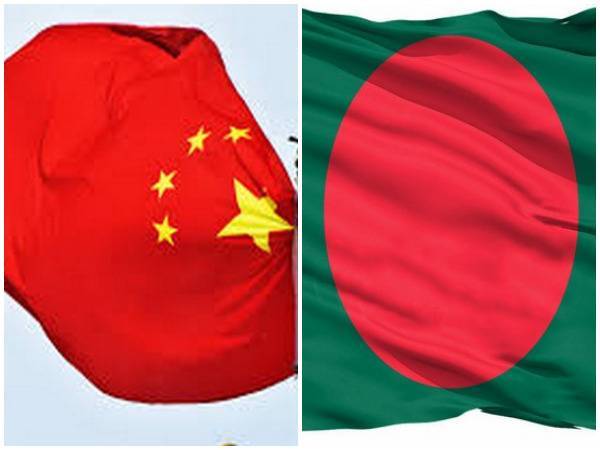
As China witnessing a decrease in its share of trade due to economic slowdown due to Covid implications, Bangladesh may overtake it as the source of most of the European Union’s (EU) apparel, reported The Daily Star.

According to Ahsan H Mansur, Executive Director of the Policy Research Institute, primarily it will be for the shortage of skilled labour (China’s demography as its population is decreasing) and secondly for Bangladesh producing high-end value-added garment items, that it may overtake China with regard to exports to the EU in the near future. Even though China continues to hold the title of being the largest apparel supplier to the EU, the penetration of Bangladeshi garment items has been growing with rising demand for basic and value-added garments, reported The Daily Star.

Apparel shipments to the EU from Bangladesh grew by 41.76 per cent in the January-October period of last year to USD 19.40 billion, helping to retain its position as the second largest garment exporter to the world’s largest trade bloc after China.

China has been losing its global apparel market share over the last couple of years mainly because of a shortage of skilled workforce, withdrawal of foreign investments and an increase in production costs, reported The Daily Star.
ALSO READ: Bangladesh likely to get first woman President

Previous Story

Bangladesh likely to get first woman President

Next Story

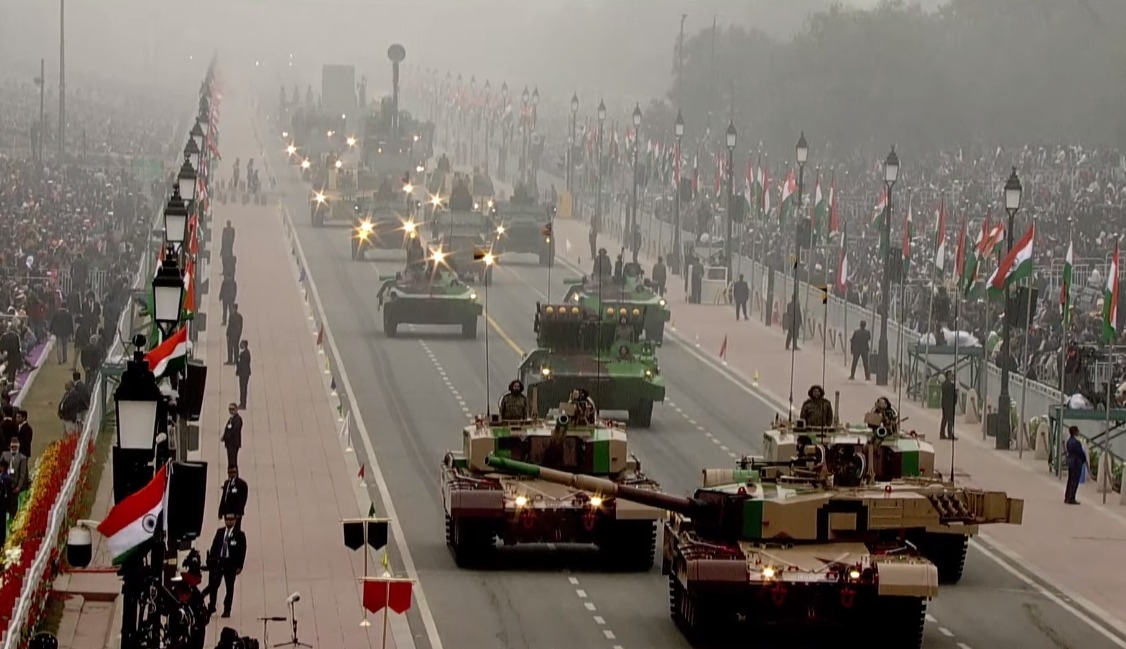
R-DAY: India Displays Indigenous Weapons Systems

Previous Story

Bangladesh likely to get first woman President

Next Story

R-DAY: India Displays Indigenous Weapons Systems

Latest from -Top News

Pakistan Risks Overstretching Itself in Yemen War

Pakistan’s expanding military role in Saudi Arabia amid the Yemen conflict could strain its defence resources and fragile finances…reports Asian Lite News Desk Pakistan’s military involvement in the war in Yemen may prove unsustainable because of mounting financial pressures and competing security demands, according to a new report. Islamabad’s growing military presence in Saudi Arabia risks stretching its defence resources while exposing the country to greater strategic and economic challenges. An article by Andrew Wilson in One World Outlook describes Pakistan’s involvement as a case of “fiscal and strategic overreach”, arguing that the country lacks the financial flexibility to sustain an expanded military commitment. Pakistan’s external finances depend heavily on an International Monetary Fund (IMF) programme, financial support from Gulf countries and remittances from Pakistani workers in the region. The report argues that deeper military involvement in the conflict could place additional pressure on these sources of financial stability. It also warns that deploying troops and military equipment abroad could weaken Pakistan’s capacity to address security challenges along its eastern border and deal with two domestic insurgencies. The move could also draw Islamabad into a conflict it has sought to approach cautiously. A Reuters report in May, citing Pakistani security and government sources, said Islamabad had deployed around 8,000 troops, a squadron of approximately 16 aircraft, mostly JF-17 fighter jets, two drone squadrons and a Chinese HQ-9 air-defence battery to Saudi Arabia. According to those sources, Riyadh was financing the deployment, with Pakistani personnel operating the equipment. The sources also said a confidential agreement contemplated the possibility of deploying up to 80,000 troops. Islamabad has not confirmed those figures, although it has acknowledged its military presence in Saudi Arabia, including the deployment of fighter jets at King Abdulaziz Air Base from April. The One World Outlook article argues that Saudi financial support can cover allowances and operating expenses but cannot easily replace military equipment needed elsewhere or resolve the political and strategic challenges of participating in the Yemen conflict. Pakistan’s defence budget is another concern. For the 2026-27 financial year, the federal government allocated PKR 3 trillion, or approximately $10.8 billion, to defence services. The allocation represents an 18 per cent increase from the original PKR 2.55 trillion provision and amounts to around 2.1 per cent of projected gross domestic product (GDP). Defence spending accounts for approximately 16 per cent of the federal government’s PKR 18.8 trillion expenditure. Military pensions are budgeted separately at PKR 822 billion, while debt servicing costs stand at approximately PKR 8 trillion, more than two-and-a-half times the defence allocation. The report argues that these competing financial obligations leave little room for additional military expenditure without placing further pressure on public finances. Pakistan’s reliance on IMF assistance also limits its fiscal flexibility. The country must meet the conditions attached to the programme, including a primary budget surplus target of 2 per cent of GDP and continued restraint on development spending. According to the article, these requirements make it difficult for Islamabad to finance an additional military commitment without compromising other budgetary priorities. Pakistan’s economic indicators offer limited reassurance. Economic growth for the 2025-26 financial year is estimated at between 3.6 and 3.7 per cent, while inflation reached approximately 10.3 per cent in September following an energy price shock. Foreign exchange reserves stood at around $21.5 billion at the end of September. Although this marks an improvement from the low levels recorded in 2023, the report notes that the reserves cover only a few months of imports. Financial assistance from Gulf partners remains central to Pakistan’s external stability. The article says Islamabad holds approximately $8 billion in Saudi deposits at its central bank. In July, the State Bank of Pakistan said Riyadh had extended the maturity of $5 billion in deposits to December 2028, easing the country’s immediate external financing requirements. A further $3 billion deposit was also extended in the spring. However, the article argues that these arrangements provide temporary relief rather than long-term financial independence, particularly as regional conflict threatens the stability of the Gulf economies on which Pakistan relies. The report concludes that Pakistan faces a difficult balance between supporting Saudi Arabia militarily and preserving the financial and military resources needed to address its domestic and regional challenges.

UK and Germany Ratify Kensington Treaty

Britain and Germany ratify the Kensington Treaty, agreeing new cooperation on AI, quantum research, defence and security while targeting investment, jobs and Russian hybrid threats…reports Asian Lite News Desk Britain and Germany

Economic tide is turning in Bangladesh

If there is one thing that can bring some comfort to the struggling Bangladeshi economy, it is good relations with India. Bangladesh should remember that Delhi’s backing, through easy supplies of essentials
Go toTop

Don't Miss

Bangladesh’s China Pivot: A Risky Bet?

While leveraging major powers for economic and strategic benefits is

Bangladesh Economy Faces Heat from Middle East Crisis

Inflation is expected to remain high at 8.5 per cent