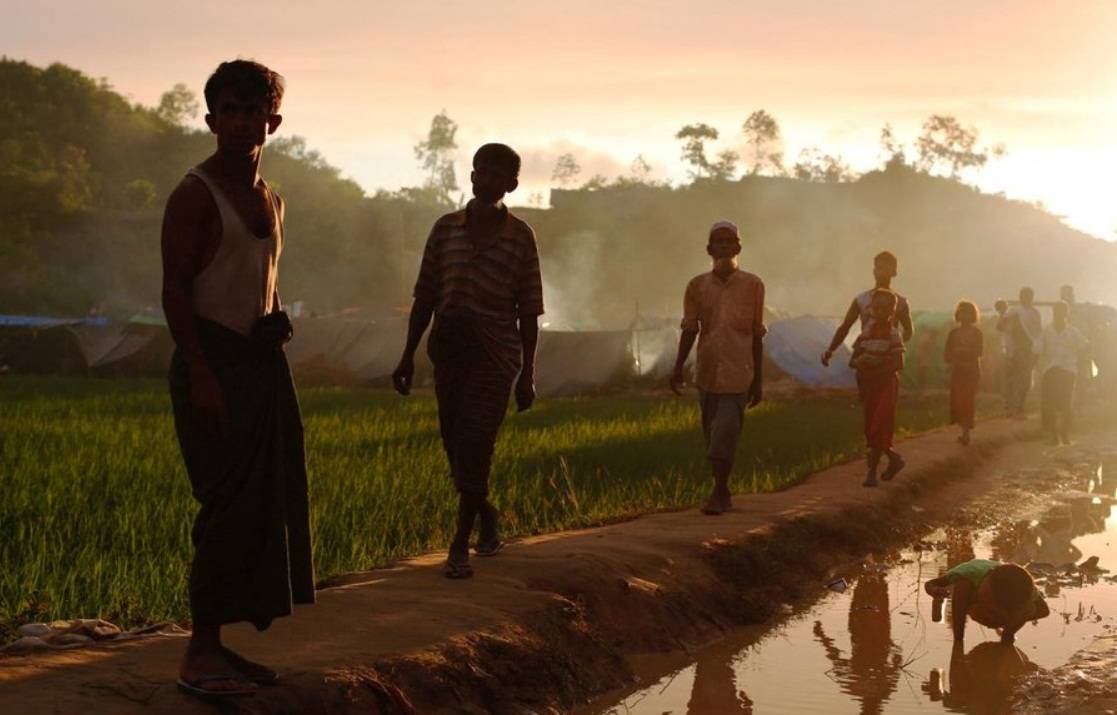
When the largest wave of Rohingyas — 700,000 people, as per UN reports — fled Myanmar in 2017, this human exodus was the largest in Asia since the Vietnam War….writes Kavya Dubey
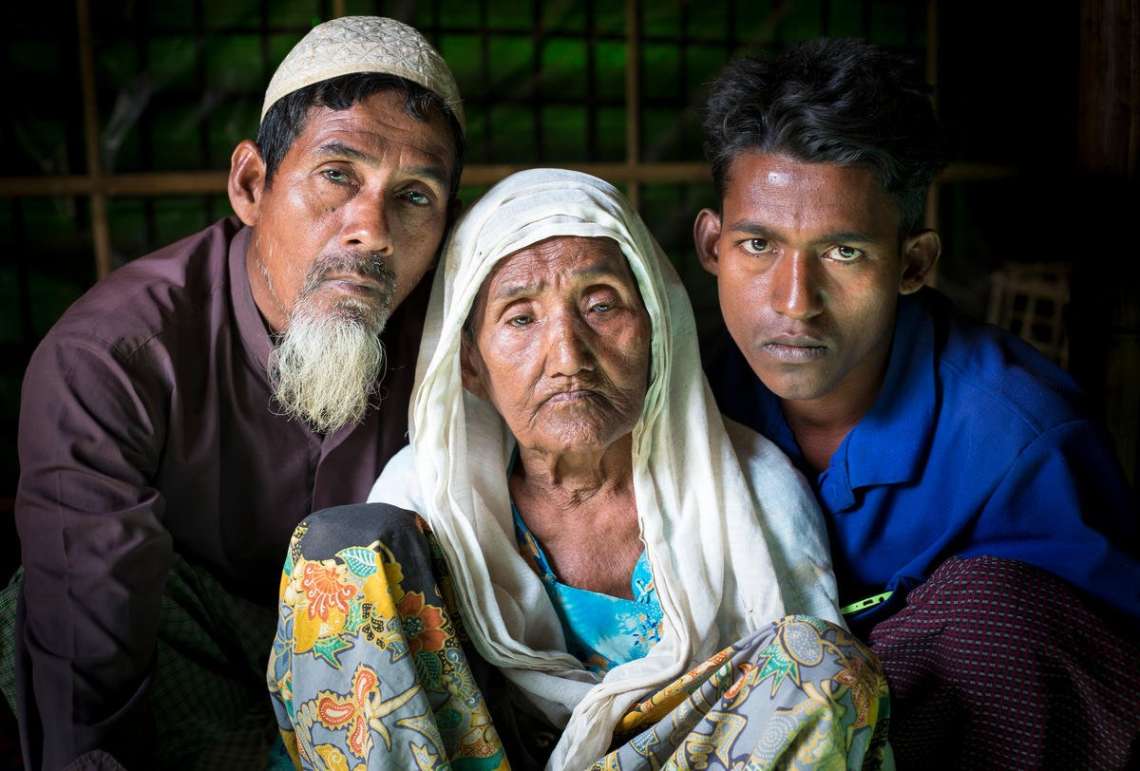
The world learnt of the Rohingyas in August 2017 when violence on a large scale, unprecedented human rights violations and armed attacks drove thousands from this ethnic community out of their homes in Myanmar’s Rakhine state.
Widely called a genocide, the Rohingya massacre is the ongoing persecution of the Rohingya people that are predominantly Muslim, by Myanmar’s military. This genocide has had two phases: The military crackdown that occurred from October 2016 to January 2017; and the second phase which is going on since August 2017.
When the largest wave of Rohingyas — 700,000 people, as per UN reports — fled Myanmar in 2017, this human exodus was the largest in Asia since the Vietnam War.
Over 960,000 of them fled to Bangladesh and a majority of them live in the Cox Bazar area, a port city, making it the world’s largest refugee camp. Several others fled to India, Thailand, Malaysia, and other parts of South and Southeast Asia to escape the ethnic cleansing.
The community, regarded by the UN as among “the most persecuted minorities in the world”, and “amongst the world’s least wanted”, have officially been denied Burmese citizenship since the Burmese nationality law was enacted in 1982. They have however been persecuted and marginalised since long before this legislation.
Some of the restrictions on them include signing a document to commit to not having more than two children, not being allowed to travel without official permission, no right to receive higher education nor essential services and means of support.
The persecution of Rohingya Muslims goes back to at least the 1970s, with their persecution at the hands of Buddhist Nationalists and the Burmese government.
The present refugee crisis was spurred by the crackdown by the Myanmar armed forces against the Rohingyas in the northwestern region of the country (Rakhine). This act of the military has been called ethnic cleansing and genocide by different UN agencies, International Criminal Court officials, human rights groups, journalists, governments etc.
Evidence against the Myanmar government of carrying out the genocide includes wide-scale violation of human rights, extrajudicial killings, gang rapes, infanticide, committing arson on Rohingya properties and institutions, as stated by the UN. The Burmese government, however, dismissed it and called it “exaggerations”.
It was in August 2017 when the persecution of the Rohingyas was launched in retaliation against the Arakan Rohingya Salvation Army attacks on Myanmar border posts.
In late September 2017, a seven-member panel of the Permanent Peoples’ Tribunal, an international human rights organisation based in Italy, found the Burmese military and authority guilty of genocide against the Rohingya and the Kachin minority groups (another ethnicity).

Celebrated political figure and Nobel laureate Aung San Suu Kyi was criticised for her silence over the issue and for supporting the military’s actions.
In August 2018, the United Nations High Commissioner for Human Rights declared that Burmese military generals should be tried for genocide. On 23 January 2020, the International Court of Justice ordered Myanmar to prevent genocidal violence against its Rohingya minority and to preserve evidence of past attacks.
The Rohingyas seek subsistence in the far off places they are moved to, and it is Bangladesh that has the largest concentration of them.
In May this year, when Cyclone Mocha, a most severe storm in the region in recent times, struck Bangladesh and Myanmar, it caused widespread destruction and had a devastating impact on infrastructure and millions of people across the two countries.
The storm impacted 2.3 million people in Bangladesh, which included 930,000 Rohingya refugees. The damage could not be repaired due to the monsoon rains that followed, leaving the refugees without shelter, exposed in the rain.
Arrangements for their food and water supplies, along with reasonable accommodation with proper amenities, remain a major challenge.
The Rohingya refugees continue to lack legal status, livelihood opportunities and with their movement beyond the camps restricted, leaving them entirely dependent on humanitarian assistance coming from anywhere
And until aid arrives and eases their survival a little, weather-related hazards continue to be a danger.
The only way forward is a political dialogue for their voluntary repatriation, but these stateless people living off humanitarian aid will eventually become a burden on their host countries, and there may come a time when they have to choose between their own citizens and these refugees.
ALSO READ: Aid Dwindles, Rohingya Crisis Deepens