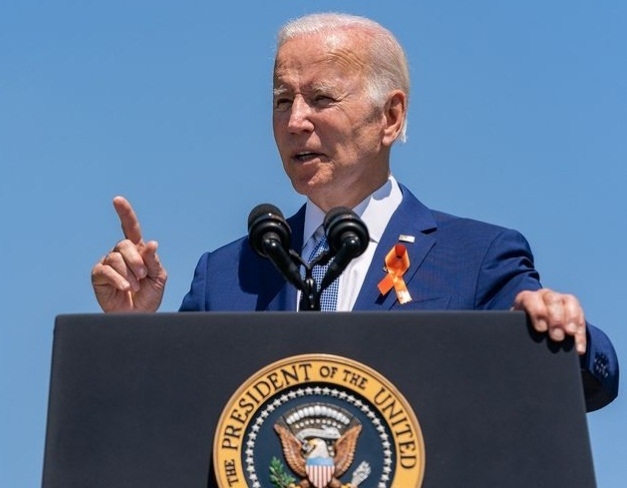
Biden insists that the system was safe after the second- and third-largest bank failures in the nation’s history happened in the span of 48 hours…reports Asian Lite News
Depositors withdrew savings and investors broadly sold off bank shares as the federal government raced to reassure Americans that the banking system was secure after two bank failures fed fears that more financial institutions could fall.
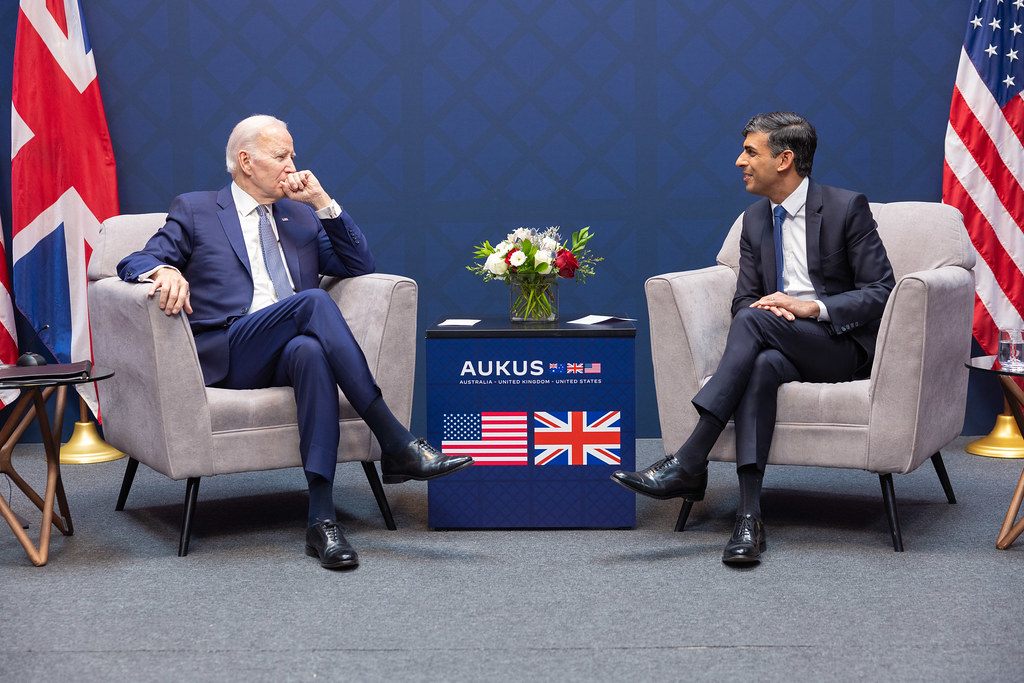
President Joe Biden insisted that the system was safe after the second- and third-largest bank failures in the nation’s history happened in the span of 48 hours. In response to the crisis, regulators guaranteed all deposits at the two banks and created a program that effectively threw a lifeline to other banks to shield them from a run on deposits.
“Your deposits will be there when you need them,” Biden told the public, seeking to project calm. He also said the banking executives responsible for the failures would be held accountable.
In other developments, the Federal Reserve announced that it would reassess its supervision of Silicon Valley Bank.
“We need to have humility and conduct a careful and thorough review of how we supervised and regulated this firm, and what we should learn from this experience,” said Michael Barr, the Fed’s vice chair for supervision, who will lead the effort.
Regulators closed the bank Friday after depositors rushed to withdraw their funds all at once. The only larger failure in U.S. banking history was the 2008 collapse of Washington Mutual. New York-based Signature Bank was seized by regulators late Sunday in third-largest failure in the U.S.
In both cases, the government agreed to cover deposits, even those that exceeded the federally insured limit of $250,000.
Despite the message from the White House, investors broadly dumped shares in bank stocks. Shares of First Republic Bank closed down more than 60% even after the bank said it was taking emergency funding from the Federal Reserve and additional money from JPMorgan Chase.
Shares in KeyCorp and Comerica plunged by nearly a third. The stock of well-known franchises such as Charles Schwab, Fifth Third Bank, Truist and Huntington Bancshares all dropped by double digits.
The selloff happened in part because the country woke up to a new banking system and investors had to find the winners and losers, banking experts said.
There was no guarantee that the anxiety would not spread. Customers at other banks with deposits over the $250,000 limit remained at risk of losing access to their money for a time.
Just because the government covered for Silicon Valley Bank and Signature Bank “doesn’t mean they are going to cover for these smaller banks,” said Chris Caulfield, a senior partner at West Monroe.
Further, the government’s actions suggested it would stand behind all deposits if doing so prevents damage to the broader economy.
Amid the selloff of midsize banks, investors kept relatively calm over the health of the nation’s biggest banking bulwarks, such as Citigroup, Bank of America and Wells Fargo. Investors apparently concluded that the only place to be safe in banking was with the nation’s most strictly regulated institutions.
Notably, shares in JPMorgan Chase — the nation’s biggest bank with more than $3 trillion in assets — fell a modest 1.8% on Monday.
Regional banks were seen as the riskiest, since they do not have the scale to compete against larger competitors. Large account balances — once seen as a positive sign that a bank’s clients are well off — were a liability since they could be withdrawn at the first sign of trouble.
International regulators also had to step in to ease fears. The Bank of England and U.K. Treasury said they facilitated the sale of a Silicon Valley Bank subsidiary in London to HSBC, Europe’s biggest bank. The deal protected 6.7 billion pounds ($8.1 billion) of deposits.
Under the plan announced by U.S. regulators, depositors at Silicon Valley Bank and Signature Bank were able to access their money. A new Fed program will allow banks to post certain high-quality securities as collateral and borrow from a government emergency fund.
The Treasury has set aside $25 billion to offset any losses. However, Fed officials said they do not expect to have to use that money, given that the securities posted as collateral have a very low risk of default.