Workers at the plant, which employs roughly a dozen women in their 30s and 40s as well as some men, are not allowed to leave….reports Asian Lite News
Nearly 90 Uyghur teenage girls are locked up in a Chinese-run garment factory in Xinjiang, where they are forced to work heavily 14 hours a day, seven days a week, and regularly face verbal and physical abuse, an investigation by Radio Free Asia (RFA) has found.
According to four sources, quoted by RFA including a village chief and the factory’s security chief, the Wanhe Garment Co Ltd in Maralbeshi county has a secret agreement with the nearby Yarkant 2nd Vocational High School under which female students aged 16 to 18 are sent to work at the factory against their will. Local authorities have pressed parents not to object to their children working at the plant, according to the village chief, a woman in charge of persuading the parents to let the girls go.
Workers at the plant, which employs roughly a dozen women in their 30s and 40s as well as some men, are not allowed to leave.
These girls are forced to sleep in dormitories on the factory compound. Most are Uyghurs, but only 15 are Chinese who came from somewhere else to work at the factory.
A village official said that the girls are kept in line by a middle-aged Uyghur woman named Tursungul Memtimin, whom the girls call “teacher.” She regularly insults and criticises these girls, and sometimes also hit them with a bat, as per RFA.
“The ‘teacher’ is known to have a very bad temper. She physically assaults the workers using a bat as a means of inflicting harm,” she said.
“The workers live in fear of her, and due to this intimidating environment, no one dares to make an escape,” the official told RFA.
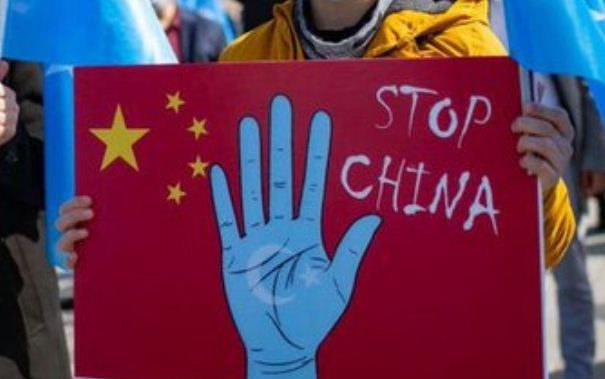
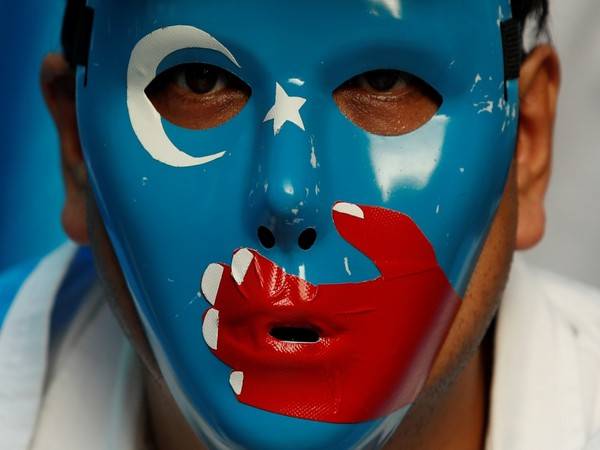
The revelation comes amid rising evidence of Uyghur forced labour in Xinjiang, as well as suspicions that forced labour is exploited in large corporations’ supply lines.
Inditex, the parent company of Zara and Uniqlo, as well as carmakers Volkswagen, Mercedes-Benz, and BMW, have all come under increasing scrutiny to verify that they are not utilising Uyghur forced labour.
The Uyghur Forced Labour Prevention Act, passed into law in December 2021, requires American enterprises who import goods from Xinjiang to demonstrate that they were not produced using Uyghur forced labour at any level of production. (ANI)