October 29, 2023
4 mins read

We have lost contact with our teams in Gaza: WFP Chief

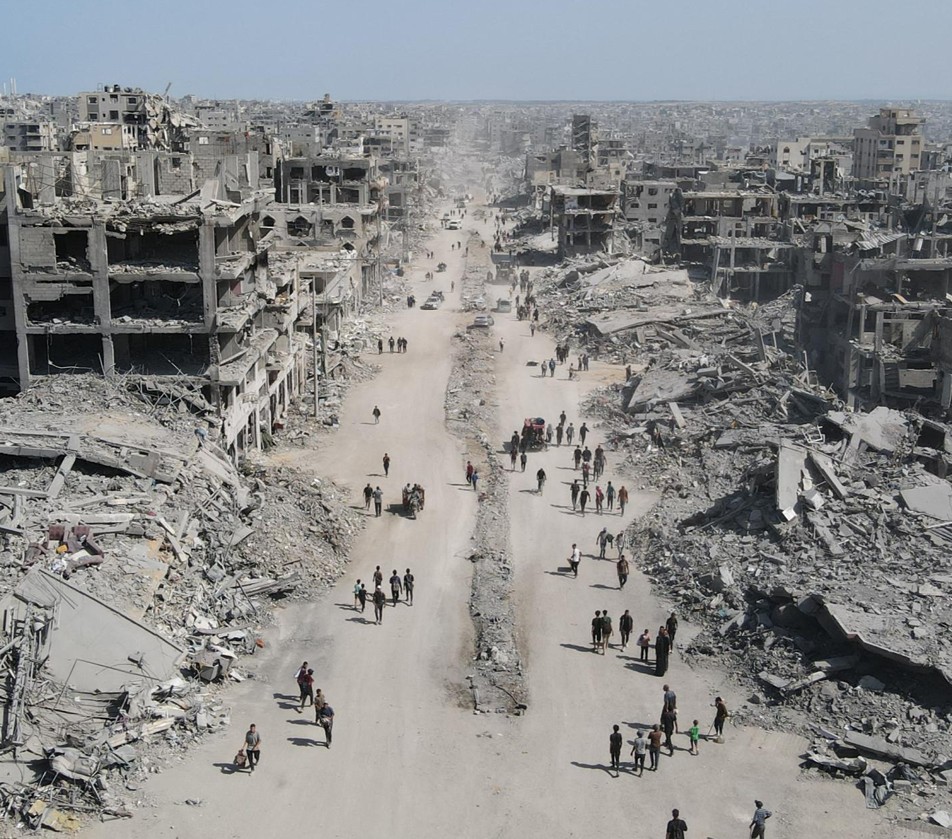
This comes at a time when Israel continues its ground operations in Gaza….reports Asian Lite News

United Nations World Food Programme Executive Director Cindy McCain on Saturday said that they lost contact with its teams in Gaza amid the ongoing conflict between Israel and Hamas.

Taking to X, Cindy McCain stated, “We have lost contact with our teams in #Gaza. The silence is deafening. As conflict rages on, I am extremely worried for the safety of all humanitarian workers and civilians. We are at a tipping point. Humanity must prevail.”

This comes at a time when Israel continues its ground operations in Gaza. Israeli Defence Minister Yoav Gallant on Saturday said that the IDF has stepped up its operations in Gaza and the fight will continue until they get any new orders, reported Israeli-based i24NEWS.

“I’ve now completed the daily situation assessment. I have summarized the directions of action regarding the main efforts, the military effort, the effort to free the hostages, the civilian effort, and the humanitarian effort,” he said.

Emphasizing that Israeli Defence Forces passed a stage in the war tonight, Gallant said that the grounding guards are shaken, reported i24 NEWS.”

In the other sectors, we are preparing to protect the civilians of Israel to maintain their safety. We do this in the north, in the centre, and everywhere else. And we begin this broadcast by heading down south,” he added.

Meanwhile, the Israel Defence Forces has issued an advisory for Gaza residents, warning them to relocate south “immediately”, saying that the window “to act” is closing as Israel continues to expand its operations in Gaza.

In a video posted on social media platform X, Rear Admiral Daniel Hagari, IDF Spokesman, has urged the residents of northern Gaza and Gaza City to temporarily relocate south and added that moving back to northern Gaza will be possible once the intense hostilities end.

He said, “Attention. Citizens of Gaza, listen carefully. This is an urgent military advisory from the Israel Defense Forces. For your immediate safety, we urge all residents of northern Gaza and Gaza City to temporarily relocate south. Let me repeat. We urge all residents of northern Gaza and Gaza City to locate south immediately. This is a temporary measure. Moving back to northern Gaza will be possible once the intense hostilities end.”

“Hamas puts your life in danger by placing weapons and forces within civilians in Gaza, including schools, mosques and hospitals,” he warned the residents, as he spoke.

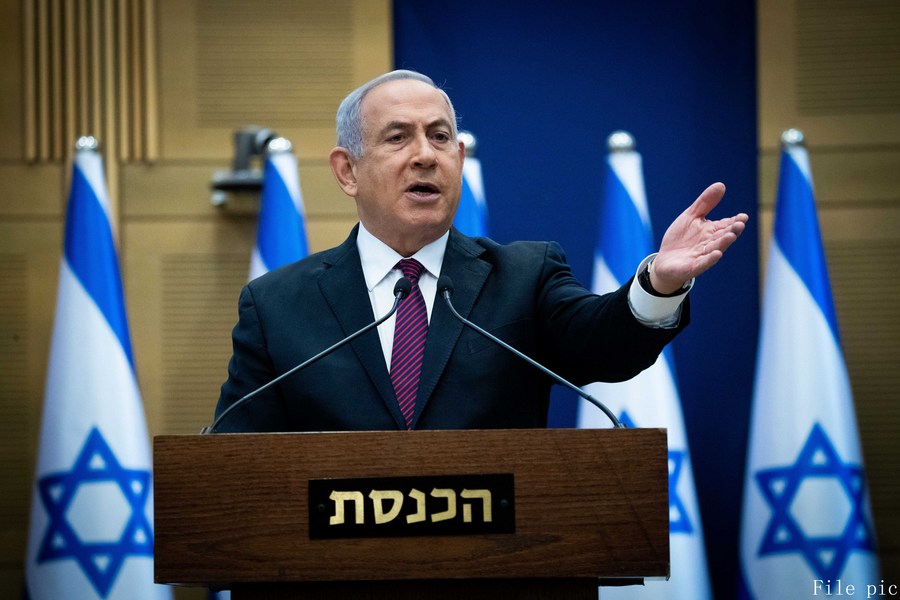
Israel Prime Minister Benjamin Netanyahu on Saturday met representatives of families whose loved ones have been held captive in Gaza. After meeting them, Netanyahu said that Israel “will exercise exhaust every possibility” to bring about their return, The Times of Israel reported.

He told the families that freeing the hostages was a chief goal of the war. He said, “The key is the level of pressure.” Netanyahu said, “The greater the pressure, the greater the chances [of freeing the captives]”, The Times of Israel reported. He also told them that there was no avoiding a major ground incursion, including to ratchet up pressure on Hamas.

On Friday, World Health Organization Director-General Tedros Adhanom Ghebreyesus said that WHO has lost touch with its staff, health facilities, health workers, and the rest of its humanitarian partners on the ground in Gaza. He called for immediate protection of all civilians and full humanitarian access.

Taking to X, Ghebreyesus stated, “We have lost touch with our staff in Gaza, with health facilities, health workers and the rest of our humanitarian partners on the ground. This siege makes me gravely concerned for their safety and the immediate health risks to vulnerable patients. We urge immediate protection of all civilians and full humanitarian access.”

Similarly, UNICEF Executive Director Catherine Russell said UNICEF lost touch with its colleagues in Gaza. Taking to X, Russell stated, “We have lost touch with our colleagues in Gaza. I’m extremely concerned about their safety and another night of unspeakable horror for 1M children in #Gaza. All humanitarians and the children and families they serve MUST be protected.”

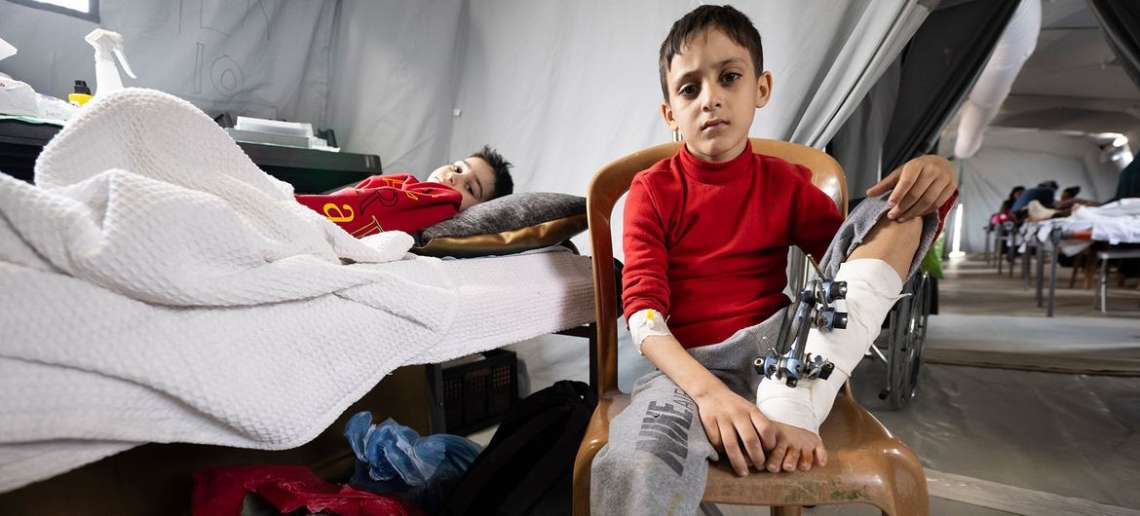
Meanwhile, United Nations Secretary-General Antonio Guterres said that the humanitarian situation in Gaza is facing a “total collapse with unimaginable consequences for more than 2 million civilians.”

In a post shared on X, Guterres stated, “The humanitarian system in Gaza is facing a total collapse with unimaginable consequences for more than 2 million civilians. Needs are growing ever more critical & colossal. Food, water, medicine & fuel must be allowed to reach all civilians swiftly, safely & at scale.”
ALSO READ: Israel moves to ‘next stage’ of war on Hamas

Previous Story

New York cops arrest hundreds at protest urging Gaza ceasefire

Next Story

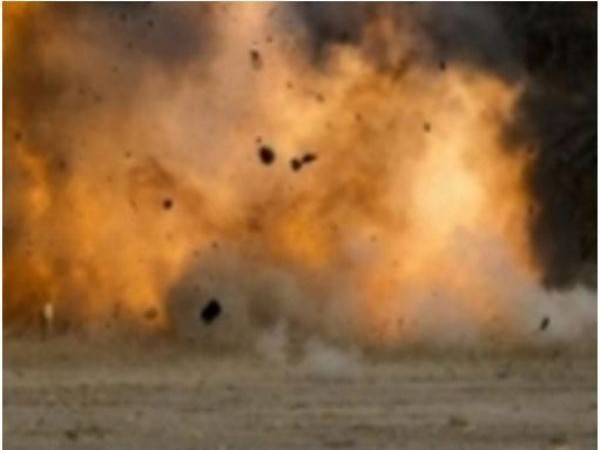
Explosions Shake Kerala Prayer Gathering, Leaving One Fatality

Previous Story

New York cops arrest hundreds at protest urging Gaza ceasefire

Next Story

Explosions Shake Kerala Prayer Gathering, Leaving One Fatality

Latest from -Top News

Pakistan Risks Overstretching Itself in Yemen War

Pakistan’s expanding military role in Saudi Arabia amid the Yemen conflict could strain its defence resources and fragile finances…reports Asian Lite News Desk Pakistan’s military involvement in the war in Yemen may prove unsustainable because of mounting financial pressures and competing security demands, according to a new report. Islamabad’s growing military presence in Saudi Arabia risks stretching its defence resources while exposing the country to greater strategic and economic challenges. An article by Andrew Wilson in One World Outlook describes Pakistan’s involvement as a case of “fiscal and strategic overreach”, arguing that the country lacks the financial flexibility to sustain an expanded military commitment. Pakistan’s external finances depend heavily on an International Monetary Fund (IMF) programme, financial support from Gulf countries and remittances from Pakistani workers in the region. The report argues that deeper military involvement in the conflict could place additional pressure on these sources of financial stability. It also warns that deploying troops and military equipment abroad could weaken Pakistan’s capacity to address security challenges along its eastern border and deal with two domestic insurgencies. The move could also draw Islamabad into a conflict it has sought to approach cautiously. A Reuters report in May, citing Pakistani security and government sources, said Islamabad had deployed around 8,000 troops, a squadron of approximately 16 aircraft, mostly JF-17 fighter jets, two drone squadrons and a Chinese HQ-9 air-defence battery to Saudi Arabia. According to those sources, Riyadh was financing the deployment, with Pakistani personnel operating the equipment. The sources also said a confidential agreement contemplated the possibility of deploying up to 80,000 troops. Islamabad has not confirmed those figures, although it has acknowledged its military presence in Saudi Arabia, including the deployment of fighter jets at King Abdulaziz Air Base from April. The One World Outlook article argues that Saudi financial support can cover allowances and operating expenses but cannot easily replace military equipment needed elsewhere or resolve the political and strategic challenges of participating in the Yemen conflict. Pakistan’s defence budget is another concern. For the 2026-27 financial year, the federal government allocated PKR 3 trillion, or approximately $10.8 billion, to defence services. The allocation represents an 18 per cent increase from the original PKR 2.55 trillion provision and amounts to around 2.1 per cent of projected gross domestic product (GDP). Defence spending accounts for approximately 16 per cent of the federal government’s PKR 18.8 trillion expenditure. Military pensions are budgeted separately at PKR 822 billion, while debt servicing costs stand at approximately PKR 8 trillion, more than two-and-a-half times the defence allocation. The report argues that these competing financial obligations leave little room for additional military expenditure without placing further pressure on public finances. Pakistan’s reliance on IMF assistance also limits its fiscal flexibility. The country must meet the conditions attached to the programme, including a primary budget surplus target of 2 per cent of GDP and continued restraint on development spending. According to the article, these requirements make it difficult for Islamabad to finance an additional military commitment without compromising other budgetary priorities. Pakistan’s economic indicators offer limited reassurance. Economic growth for the 2025-26 financial year is estimated at between 3.6 and 3.7 per cent, while inflation reached approximately 10.3 per cent in September following an energy price shock. Foreign exchange reserves stood at around $21.5 billion at the end of September. Although this marks an improvement from the low levels recorded in 2023, the report notes that the reserves cover only a few months of imports. Financial assistance from Gulf partners remains central to Pakistan’s external stability. The article says Islamabad holds approximately $8 billion in Saudi deposits at its central bank. In July, the State Bank of Pakistan said Riyadh had extended the maturity of $5 billion in deposits to December 2028, easing the country’s immediate external financing requirements. A further $3 billion deposit was also extended in the spring. However, the article argues that these arrangements provide temporary relief rather than long-term financial independence, particularly as regional conflict threatens the stability of the Gulf economies on which Pakistan relies. The report concludes that Pakistan faces a difficult balance between supporting Saudi Arabia militarily and preserving the financial and military resources needed to address its domestic and regional challenges.

UK and Germany Ratify Kensington Treaty

Britain and Germany ratify the Kensington Treaty, agreeing new cooperation on AI, quantum research, defence and security while targeting investment, jobs and Russian hybrid threats…reports Asian Lite News Desk Britain and Germany

Economic tide is turning in Bangladesh

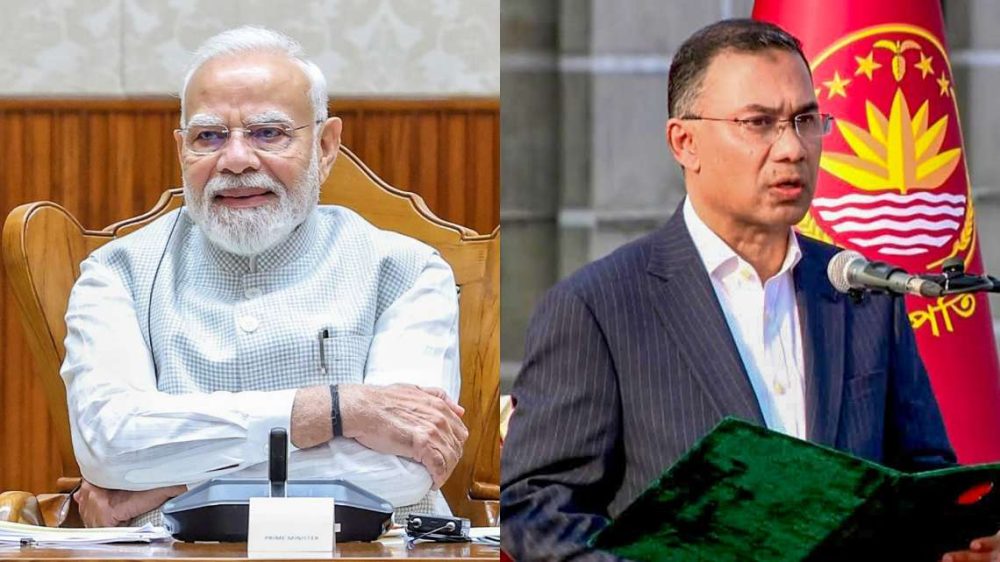
If there is one thing that can bring some comfort to the struggling Bangladeshi economy, it is good relations with India. Bangladesh should remember that Delhi’s backing, through easy supplies of essentials
Go toTop

Don't Miss

Gaza Launches Polio Vaccination Drive Amid Humanitarian Pause

To facilitate the campaign, 1.26 million doses of the nOPV2

No Intention to Send Troops to Israel or Gaza: Kamala

Harris, who has been engaged in discussions and phone conversations