Dr Kersi Chavda, Consultant Psychiatry, P.D. Hinduja Hospital & Medical Research Centre, Mahim told that very often the signs and symptoms of a brain tumour mimic a mental illness...reports Asian Lite News
Erratic mental health symptoms like aggression, confusion, altered behaviour, and persistent headaches may indicate the potential risk of a brain tumour, said experts on Friday, ahead of Brain Tumour Day. Brain Tumour Day is observed every year on June 8 to raise awareness about the debilitating disease that can make it hard for people to learn, plan, make decisions, concentrate, and make decisions.
Brain tumours are abnormal uncontrolled growth of cells in the brain. They can be malignant or non-malignant. “Brain tumours frequently mirror psychiatric symptoms, presenting as aggression, confusion, altered behaviour, irrelevant speech due to comprehension impairment, apathy, emotional instability, or disorientation,” Dr K Chandrasekar, Senior Consultant Neurosurgeon, Apollo Cancer Institutes, told. The complexity of these symptoms underlines the deceptive nature of such serious mental conditions as potential indicators of a brain tumour.
Dr Kersi Chavda, Consultant Psychiatry, P.D. Hinduja Hospital & Medical Research Centre, Mahim told that very often the signs and symptoms of a brain tumour mimic a mental illness. “Memory problems like difficulty with short-term memory and forming new memories; changes in behaviour or personality; difficulty understanding or producing speech; vision problems; persistent headaches; and loss of coordination and balance are some of the symptoms of brain tumour that mimic psychiatric issues,” he added. Dr Ashish Srivastava, Head of Neurosurgery at Dharamshila Narayana Hospital, told that often people do not pay attention to these symptoms of brain tumours, which can lead to severe consequences later. “Be alert about the changes happening in your body.
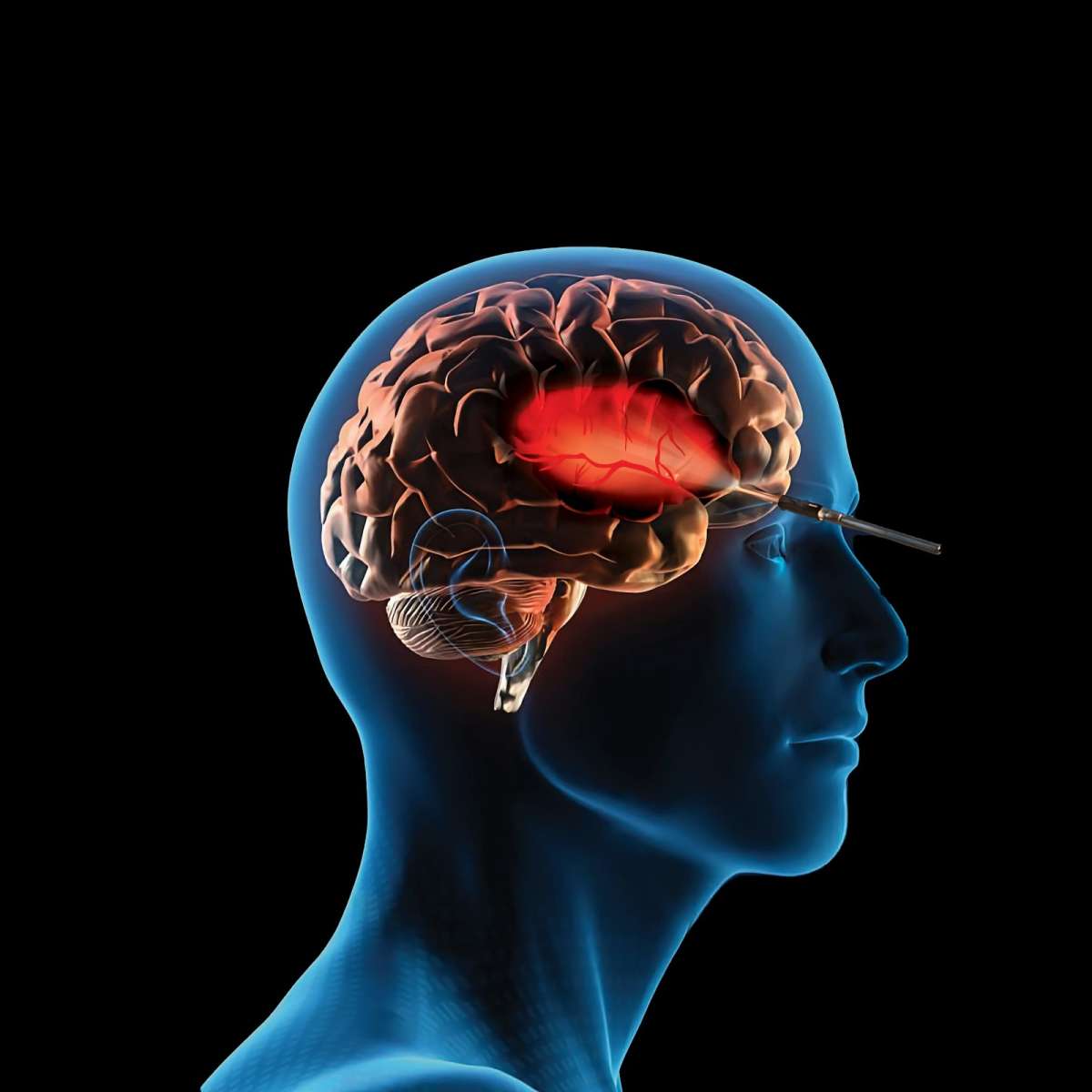
Gradually increasing headaches, frequent headaches, not getting enough sleep, difficulty in thinking and understanding, blurred vision, difficulty seeing distant objects, feeling sluggish and tired, and problems in performing daily tasks are symptoms that point towards a brain tumour,” he warned. Other common symptoms include vomiting, nausea, paralysis, vision loss, and walking difficulties. MRI and CT, as well as PET scans, can detect brain tumours. “Brain tumours which are non-cancerous can be treated with radiotherapy techniques like CyberKnife or Gamma Knife if less than 3.5 cms,” Dr Anshu Rohtagi, Senior Consultant, Department of Neurology at Sir Ganga Ram Hospital, told. Further, advanced technology like MRI-guided laser ablation and laser interstitial thermal therapy can help not only locate tumours in the brain but also precisely destroy the tumour cells with heat or lasers, she added.
ALSO READ-Bridging Beauty with Mental Health