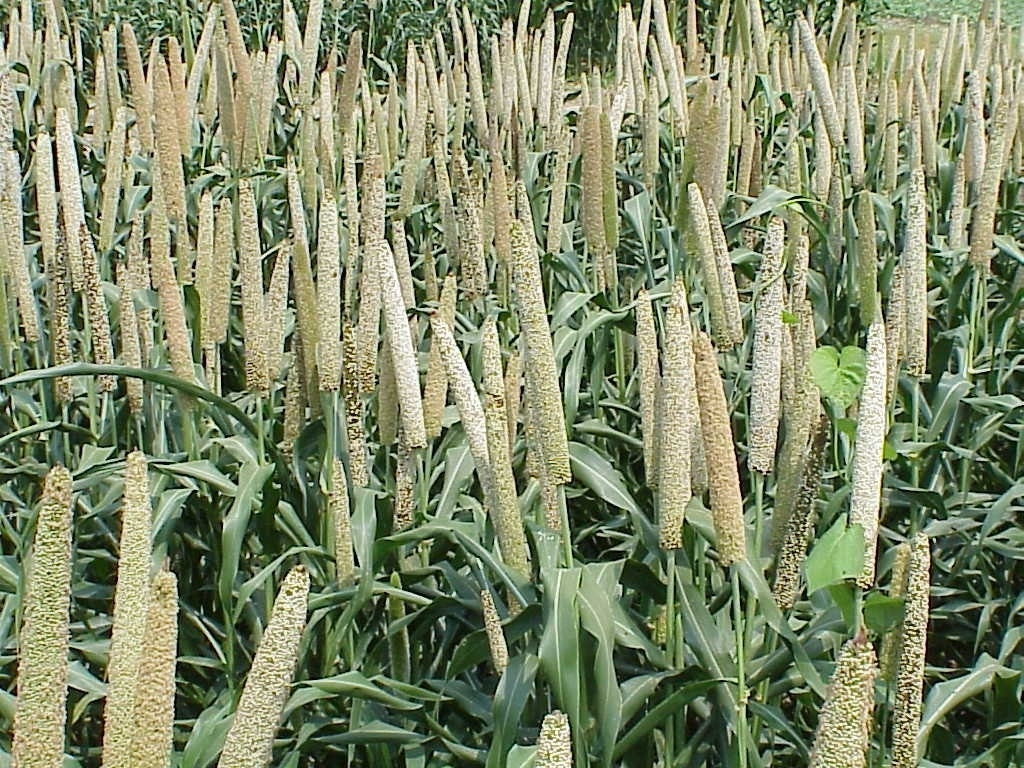
In comparison to other high-input crops, millets have a reduced carbon footprint, which implies they demand less irrigation and synthetic fertilizer, making them a good choice for farmers in developing countries, where poverty and environmental degradation are major factors…writes Dr. Siddharth Chaturvedi
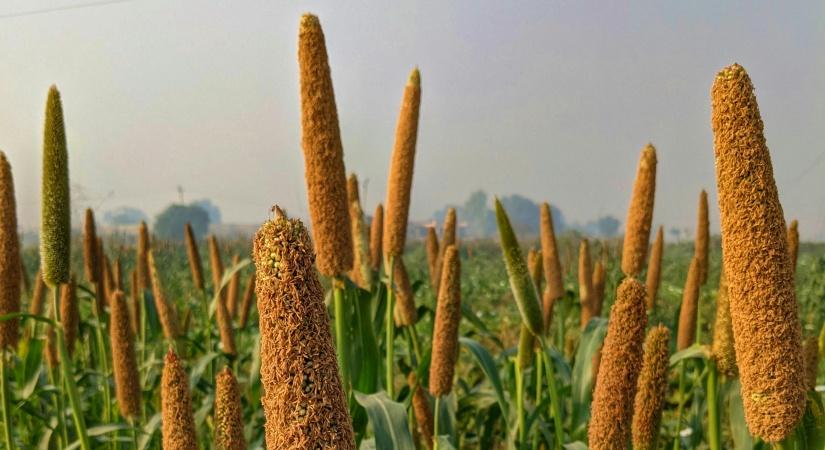
Millets, a diverse group of small-seeded, hardy grains, have been an integral part of India’s agricultural landscape and dietary traditions for thousands of years. Because of their resilience and suitability for India’s varied agro-climatic conditions, millets require little in the way of inputs and water to thrive. India is the highest producer and consumer of millets worldwide. Its leadership in mainstreaming millet production and consumption opens practical solutions to addressing global hunger and malnutrition.
Prime Minister Narendra Modi had declared 2023 as the Year of Millets as did the United Nations. The hardy grains have been at the front of the Indian government’s food push throughout this year. It was also the highlight during the G20 Summit. A special menu featuring Millets dishes was served to the delegates who attended the G20 Summit in Delhi. Recently, the government has announced that it plans to increase the procurement of millets threefold to 2 million tonnes in this financial year.
Here are 5 reasons why you should add millet into your daily diet:
Nutritional Significance: Millets are an excellent source of protein and dietary fibre, and they are high in important minerals including iron, calcium, and phosphorus. They are also a great option for people with dietary restrictions and gluten sensitivity as they are a healthier substitute for commonly used cereals like wheat flour and all-purpose flour.
Environmental Impact: In comparison to other high-input crops, millets have a reduced carbon footprint, which implies they demand less irrigation and synthetic fertilizer, making them a good choice for farmers in developing countries, where poverty and environmental degradation are major factors.
Promotes Sustainability: Beyond their nutritional value, millets contribute significantly to sustainable agriculture that enhances soil health and biodiversity. In addition to enhancing agricultural land’s long-term productivity, this serves to conserve the environment. Due to their low water requirement, their ability to thrive in semi-arid conditions makes them ideal for regions facing water scarcity, contributing to water conservation in agriculture and promoting food security.
Climate Resilience: As millets require little water, they are very tolerant of a wide range of environmental conditions, including drought and high temperatures. Because of their durability, they are less vulnerable to changes in the climate, which helps to maintain stable agricultural production even under adverse conditions. They are ideal for farmers with little land or water resources because of their short growth cycle.
Traditional and Cultural Importance: Millets have long been an integral part of diets in many cultures. They serve as the foundation for various traditional recipes and cuisines deeply rooted in cultural practices and celebrations, symbolizing fertility, abundance, and success. While millets have varied cultural significance across various regions, they are perpetually significant in many communities, customs, and practices, adding to their diverse cultural tapestry.
With the global recognition of the significance of nutritious and sustainable food supplies, millets have garnered renewed interest. They are regarded as an essential part of India’s farming and food future. The Indian government has taken several excellent initiatives to encourage the cultivation and consumption of millet.
Garnering these schemes, India has seen 80 plus new startups in the millet sector in the past year, highlighting the government’s commitment to using them as a catalyst for better nutrition, ecological balance, and economic growth.
ALSO READ-India Refutes Study Claiming 6.7M Kids Without Food