Citizenship Amendment Act: Supreme Court seeks Centre’s reply on pleas seeking stay on CAA Rules 2024…reports Asian Lite News
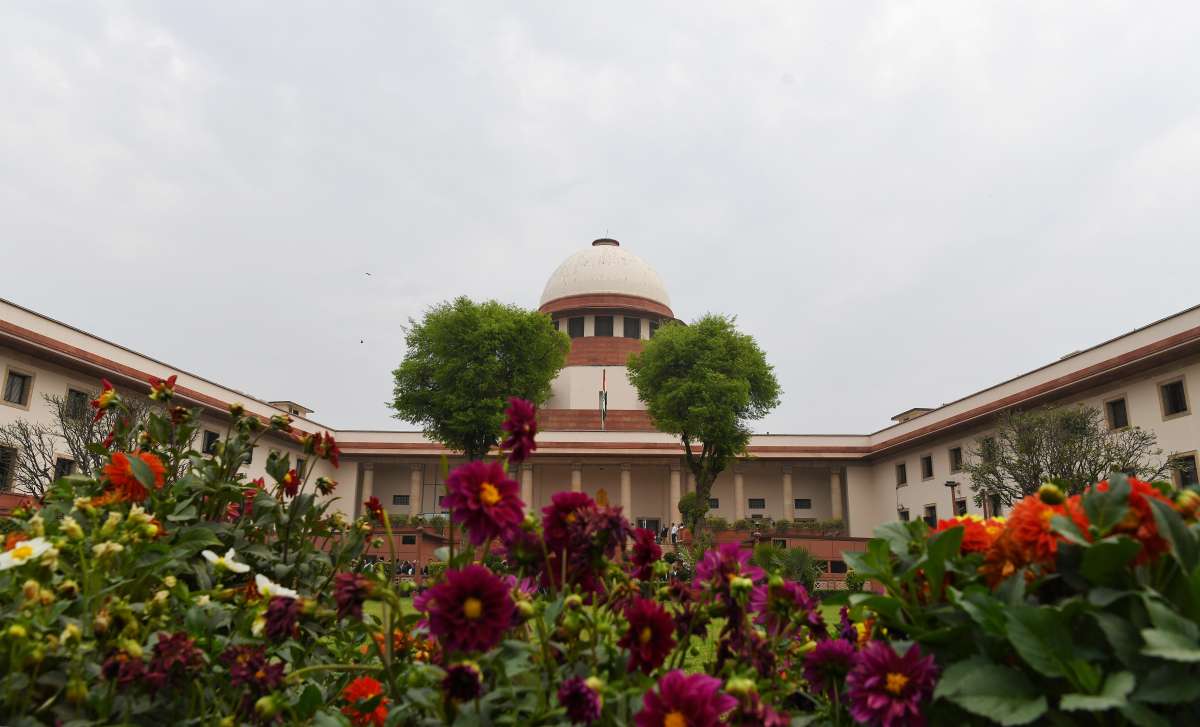
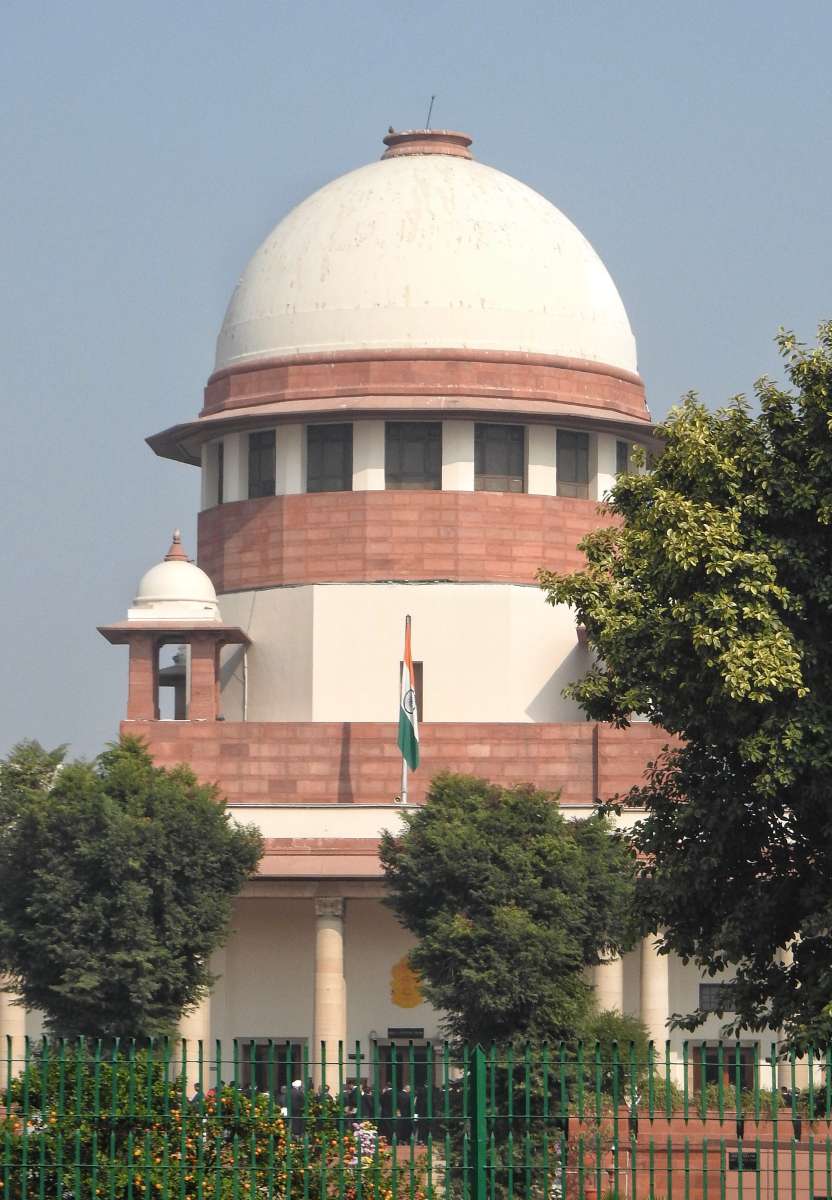
The Supreme Court on Tuesday issued notice to the Centre on the applications seeking stay on the Citizen Amendment Rules 2024, brought to implement the Citizenship Amendment Act (CAA), 2019.
A bench of Chief Justice of India DY Chandrachud, Justice JB Pardiwala and Manoj Misra asked the Centre to respond within three weeks and will take up the hearing on April 9, 2024.
Even though the petitioners were persistent on stay of rules in the meantime, the bench didn’t pass any such order.
Petitioners then said that Solicitor General Tushar Mehta, appearing for Centre, be asked to give an undertaking that rules will not be implemented and citizenship will not be granted till the petitions are pending before the apex court.
However, Mehta refused to make statement that Centre will not grant any citizenship in the meantime.
He said whether migrants are granted citizenship or not, none of the petitioners are affected. He clarified that the CAA doesn’t take away citizenship from anyone.
Senior advocate Kapil Sibal, representing one of the petitioners, asked what the sudden urgency was to notify the rules nearly four years after the CAA was passed.
“What’s the urgency after four years? If any process of citizenship starts and people get citizenship, it will be irreversible. So the process shouldn’t start. Once you grant citizenship, you can’t take it back,” Sibal said.
Senior advocate Ranjit Kumar, appearing for migrants, said, “I am from Balochistan, I came to India because I was persecuted. If I am given citizenship, how is it affecting them?”
Senior advocate Indira Jaising, appearing for one of the petitioners, replied, “They will get the right to vote.”
Jaising said, “This court must say that citizenship granted during this period will be subject to orders of this court. We cannot go on with hope and trust jurisprudence anymore.”
To this, the CJI replied, “But the infrastructure of state-level committees, etc., is not in place.” Sibal then said that if something happens, they will approach the top court.
In it’s order, the bench said, “Let submissions be made on the stay application limited to five pages till April 2. Let respondents file a 5-page reply to the application by April 8.”
The Central government on March 11 notified the Citizenship (Amendment) Rules, 2024 which effectively brought into force the controversial CAA of 2019.
The Rules opened implementation of CAA granting speedy citizenship to members of persecuted minority in Islamic countries of Pakistan, Bangladesh and Afghanistan.
A day after the Central government issued the Rules for the CAA, Kerala-based political party Indian Union Muslim League (IUML) approached the Supreme Court seeking a stay on the implementation of Rules.
The Kerala-based political party demanded that the impugned statute and regulations be stayed, and that no coercive steps be taken against persons belonging to Muslim community who have been deprived of the benefit of this law.
Apart from IUML, Democratic Youth Federation of India (DYFI), Leader of Opposition in the Assam Assembly, Debabrata Saika, and Congress MP from Assam, Abdul Khaleque, and others also filed applications seeking stay on rules.
The plea stated that rules are manifestly arbitrary and create an unfair advantage in favour of a class of persons solely on the ground of their religious identity, which is impermissible under articles 14 and 15 of the Indian Constitution.
CAA, passed by Parliament on December 11, 2019 and getting the President’s assent the following day, met with protests all across the country. The CAA came into effect on January 10, 2020.
The law fast-tracks the process of granting citizenship to Hindus, Sikhs, Buddhists, Jains, Parsis and Christians who fled religious persecution in Afghanistan, Bangladesh and Pakistan and took refuge in India on or before December 31, 2014.
The 2019 Act amended the Citizenship Act, 1955, which makes illegal migrants eligible for citizenship if they (a) belong to the Hindu, Sikh, Buddhist, Jain, Parsi or Christian communities, and (b) are from Afghanistan, Bangladesh or Pakistan. It only applies to migrants who entered India on or before December 31, 2014. As per the amendment, certain areas in the Northeast are exempted from the provision. (ANI)
ALSO READ-Understanding the Legal Foundation and Implications of the CAA