India’s First Secretary at United Nations for the Second Committee of UNGA, Petal Gahlot on Tuesday (local time), emphasised that UNDP was a knowledge partner on Digital Public Infrastructure during India’s G20 Presidency…reports Asian Lite News
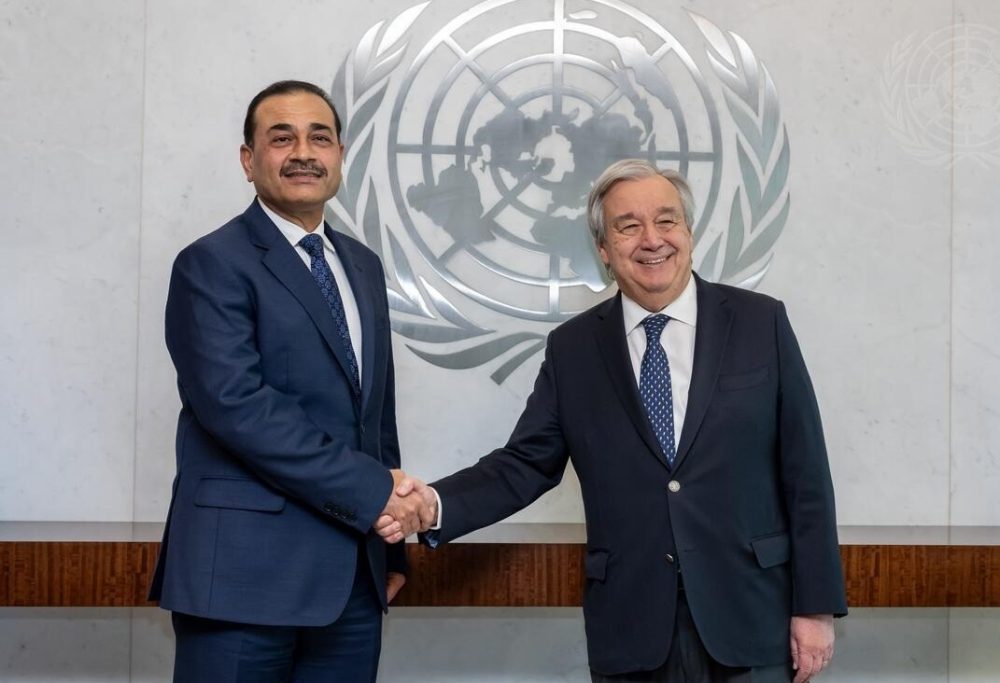
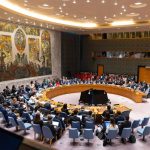
The UN General Assembly on Thursday elected Denmark, Greece, Pakistan, Panama and Somalia as non-permanent members of the Security Council for two-year terms beginning on Jan. 1, 2025.
The Security Council consists of 15 members. Five of them — China, France, Russia, the UK and the US — are permanent. Known as the P5, they have the power to veto any resolution, including those on the admission to the UN of new member states, and nominees for the position of secretary-general.
The remaining 10 members are elected for a term of two years, with five replaced each year. To be elected, candidates must receive at least two-thirds of all votes cast for the seat. This can result in deadlocks if there are two evenly matched candidates.
However the newly elected members all ran unopposed. Denmark received 184 votes, Panama 183, Pakistan 182, Greece 182 and Somalia 179. Pakistan has previously served seven times on the council, Panama five, Denmark four, Greece twice and Somalia once. They will replace Ecuador, Japan, Malta, Switzerland and Mozambique
The Security Council is one of the six principal organs of the UN. It is charged with maintaining international peace and security, recommending the admission of new members, and approving any changes to the UN Charter. Its powers also include the authority to establish peacekeeping operations, impose international sanctions and authorize military action.
It is the only UN body whose resolutions carry the force of international law and are therefore binding on all member states.
The seats for the 10 nonpermanent members are allocated on the basis of regional groups: the African group is represented by three members; Latin America and the Caribbean by two; Asia-Pacific by two; the Western European and Others group by two; and the Eastern European group by one.
Traditionally, one of the seats assigned to either the Asia-Pacific Group or the African Group is filled by a nation from the Arab world, alternating between the two.
Meanwhile, India has highlighted its significant contribution to the United Nations Development Programme (UNDP) resources during an interactive dialogue at the world body.
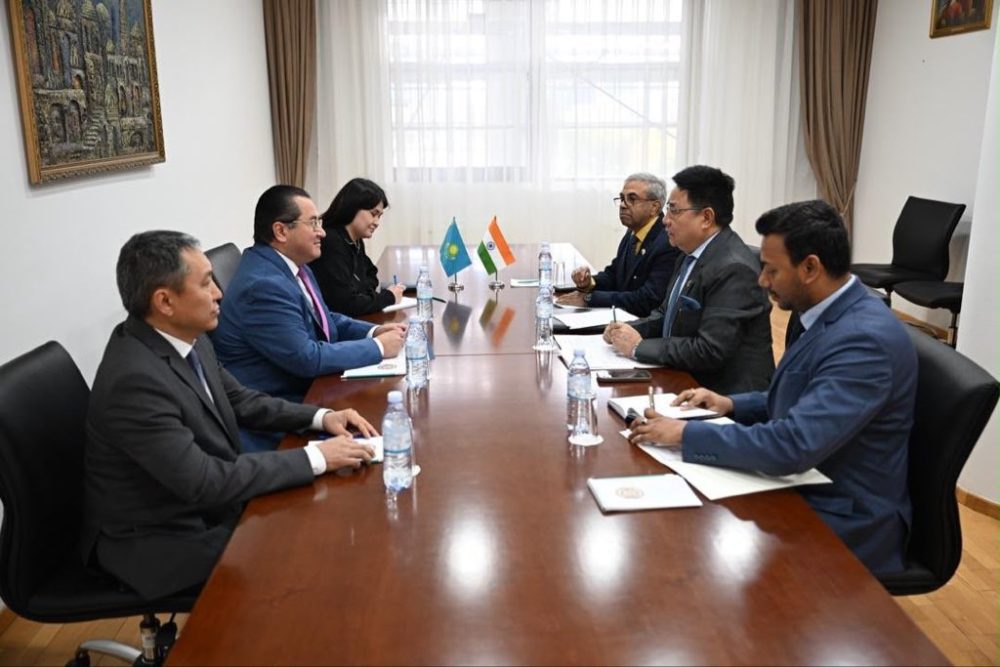
India’s First Secretary at United Nations for the Second Committee of UNGA, Petal Gahlot on Tuesday (local time), emphasised that UNDP was a knowledge partner on Digital Public Infrastructure during India’s G20 Presidency.
She also pointed out the joint work by India and UNDP on SDG (Sustainable Development Goals) localisation and the multidimensional poverty index in India.
“Participated in an interactive dialogue today with the Administrator of @UNDP @ASteiner and highlighted India’s partnership with the organisation through:- India’s significant contribution to UNDP resources- UNDP as a knowledge partner on DPI during India’s G20 Presidency- joint work on SDG localisation and the multidimensional poverty index in India,” the Indian diplomat posted on social media platform X.
In April, United Nation’s First International Conference on Digital Public Infrastructure was held under India’s leadership.
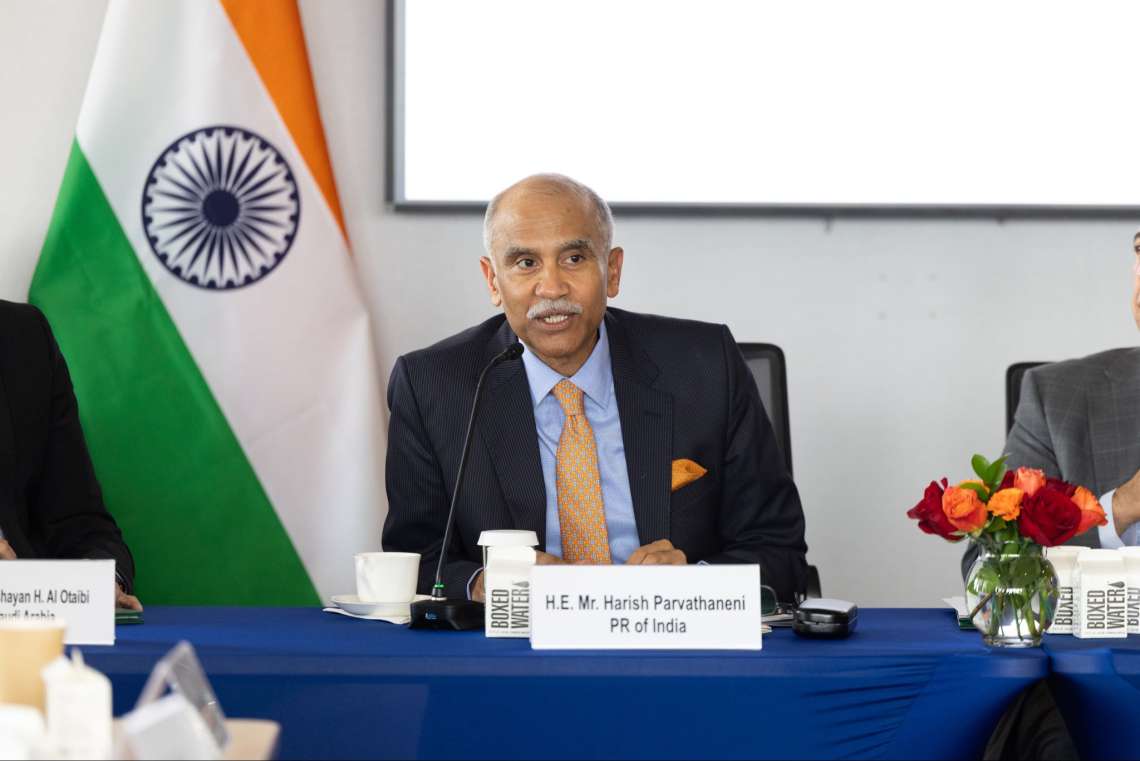
India’s Permanent Representative to UN, Ruchira Kamboj, said that the conference was aimed to harness the technology to propel Sustainable Development Goals (SDGs) and foster inclusivity.
The conference prominently featured India’s pioneering Citizen Stack initiative, inspired by the transformative India Stack, showcasing the nation’s successful integration of technology into citizen services. This event marked a significant step in promoting international cooperation for the development of digital infrastructure globally.
The session hosted by the Permanent Mission of India and the Ministry of Electronics and Information Technology, in collaboration with iSPIRT, the inaugural United Nations conference on Digital Public Infrastructure: Citizen Stack brought together global leaders, technology innovators, and policy experts to explore the global implementation of digital public infrastructure, said the Permanent of India to the UN said in a statement.