April 30, 2024
3 mins read

Biden talks with leaders from Qatar, Egypt on Gaza truce

The White House confirmed Biden’s commitment to working with Egypt and Qatar to ensure the full implementation of the ceasefire proposal’s terms….reports Asian Lite News

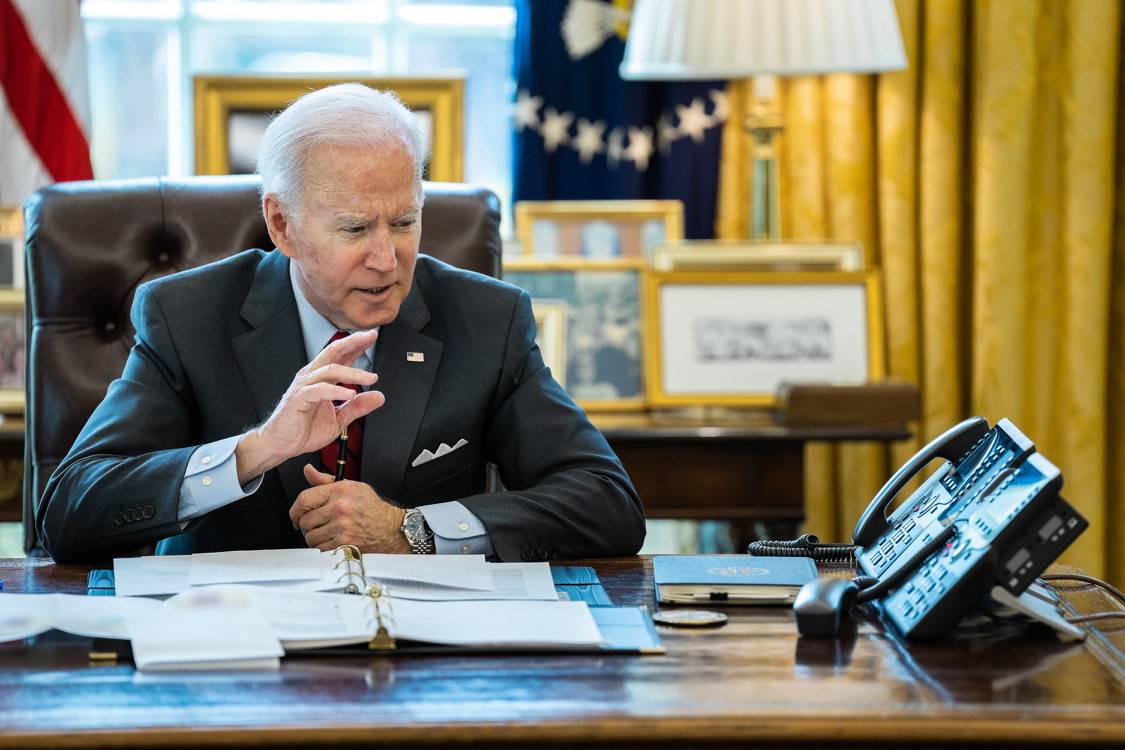
US President Joe Biden engaged in separate phone conversations with the leaders of Qatar and Egypt, discussing a proposal for a ceasefire in the Gaza Strip. The discussions with Qatari Emir Tamim Bin Hamad al-Thani and Egyptian President Abdel Fattah al-Sisi centred on a potential deal to secure the release of hostages along with an immediate and sustained cessation of hostilities in Gaza.

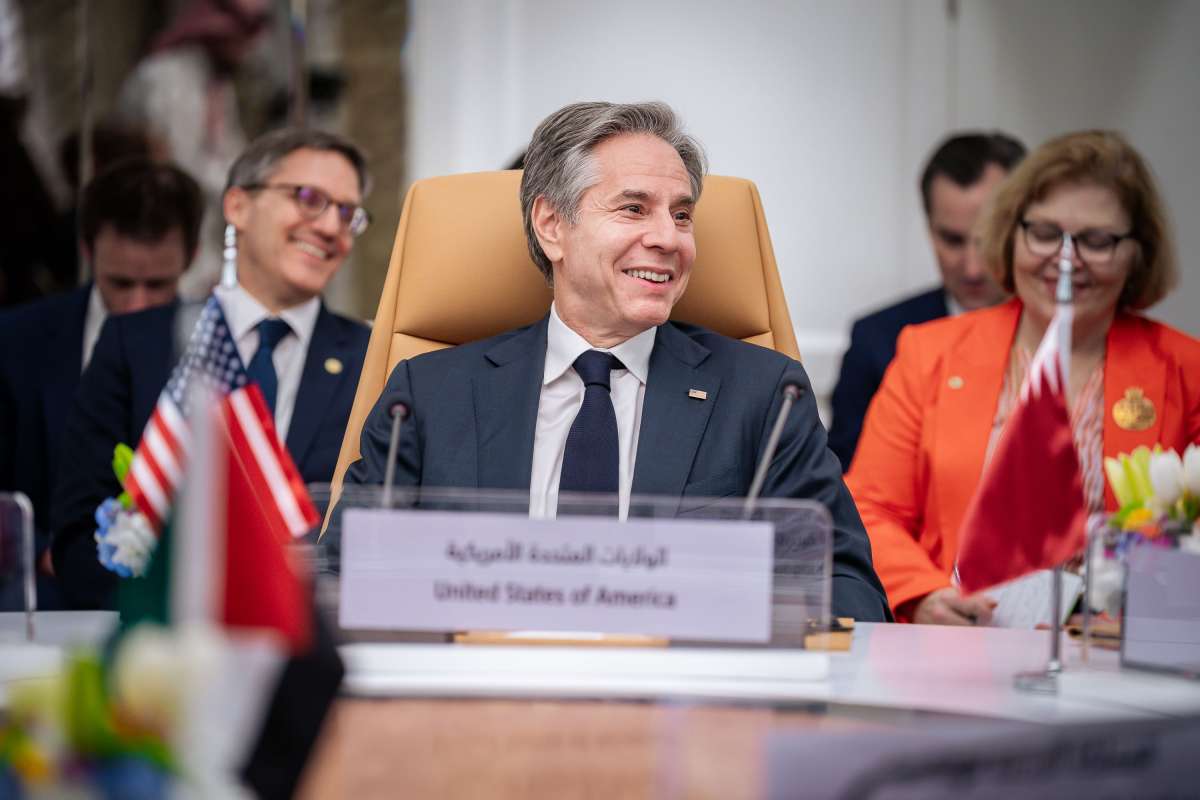
The White House confirmed Biden’s commitment to working with Egypt and Qatar to ensure the full implementation of the ceasefire proposal’s terms. These conversations followed Egypt’s announcement of a new truce proposal for Gaza during a meeting of the World Economic Forum in Saudi Arabia.

Indirect negotiations between Israel and Hamas, facilitated by Egypt and Qatar, aim to reach an agreement encompassing a prisoner exchange. Tel Aviv estimates that over 130 Israelis are held in Gaza, while Israel detains approximately 9,100 Palestinians.

During the phone calls, Biden urged Qatar and Egypt to intensify efforts to secure the release of hostages held by Hamas, emphasizing that this remains the primary obstacle to an immediate ceasefire and relief for the people of Gaza. Additionally, the leaders discussed ongoing initiatives to increase humanitarian aid delivery to Gaza’s civilian population.

Israel’s military offensive in Gaza, which commenced following a cross-border attack by Hamas on October 7, has resulted in significant casualties and widespread destruction. The conflict has led to a humanitarian crisis, with a large portion of Gaza’s population displaced and essential services severely disrupted.

The United Nations has reported extensive damage to Gaza’s infrastructure and critical shortages of food, water, and medical supplies. Amid allegations of genocide, the International Court of Justice issued an interim ruling directing Israel to cease genocidal acts and ensure the provision of humanitarian assistance to Gaza’s civilians.

US opposes World court probe

The United States declared its opposition to the International Criminal Court’s (ICC) investigation into Israel’s actions in Gaza, amid concerns within Israeli circles about potential arrest warrants being issued by the Hague-based tribunal. Israeli Prime Minister Benjamin Netanyahu reportedly discussed this matter with US President Joe Biden during a recent call.

White House Press Secretary Karine Jean-Pierre reiterated the US stance, stating that they do not support the ICC investigation and question its jurisdiction. Reports suggested that Netanyahu himself might face charges, with the court also considering allegations against Hamas leaders.

Jean-Pierre declined to confirm whether Netanyahu had urged Biden to intervene to prevent the issuance of warrants during their call, emphasizing that the focus was on securing a ceasefire and humanitarian aid for Gaza.

There were also reports that the US had reached out to the ICC, warning that arrest warrants could disrupt efforts to broker a ceasefire and hostage deal between Israel and Hamas. Israeli officials vehemently opposed any ICC action, asserting their country’s right to self-defense against terrorism.

ICC’s arrest warrants would probably be considered a humbling moral rebuke, particularly to Israel, as the nation has faced backlash over its military action in Gaza, including from US President Joe Biden, who described it “over the top.”

The arrest warrants could impact Israel’s policies as the country continues to conduct its counter-offensive against Hamas. The Israeli and foreign officials said they did not know about the stage of the process.

Any warrants would need approval from a panel of judges and would not necessarily lead to a trial or even the target’s immediate arrest. ICC’s chief prosecutor Karim Khan has previously said that his team is carrying out investigation into incidents during the war, The New York Times reported.

Earlier on April 26, Netanyahu said that any intervention by the ICC “would set a dangerous precedent that threatens the soldiers and officials of all democracies fighting savage terrorism and wanton aggression,” The New York Times reported. Although he did not mention what prompted his statement.

ALSO READ: Blinken arrives in Saudi Arabia to discuss post-war Gaza

Previous Story

Blinken: Hamas received ‘extraordinarily generous’ truce offer

Next Story

German FM Calls for Gaza Aid, Two-State Solution

Previous Story

Blinken: Hamas received ‘extraordinarily generous’ truce offer

Next Story

German FM Calls for Gaza Aid, Two-State Solution

Latest from -Top News

Pakistan Risks Overstretching Itself in Yemen War

Pakistan’s expanding military role in Saudi Arabia amid the Yemen conflict could strain its defence resources and fragile finances…reports Asian Lite News Desk Pakistan’s military involvement in the war in Yemen may prove unsustainable because of mounting financial pressures and competing security demands, according to a new report. Islamabad’s growing military presence in Saudi Arabia risks stretching its defence resources while exposing the country to greater strategic and economic challenges. An article by Andrew Wilson in One World Outlook describes Pakistan’s involvement as a case of “fiscal and strategic overreach”, arguing that the country lacks the financial flexibility to sustain an expanded military commitment. Pakistan’s external finances depend heavily on an International Monetary Fund (IMF) programme, financial support from Gulf countries and remittances from Pakistani workers in the region. The report argues that deeper military involvement in the conflict could place additional pressure on these sources of financial stability. It also warns that deploying troops and military equipment abroad could weaken Pakistan’s capacity to address security challenges along its eastern border and deal with two domestic insurgencies. The move could also draw Islamabad into a conflict it has sought to approach cautiously. A Reuters report in May, citing Pakistani security and government sources, said Islamabad had deployed around 8,000 troops, a squadron of approximately 16 aircraft, mostly JF-17 fighter jets, two drone squadrons and a Chinese HQ-9 air-defence battery to Saudi Arabia. According to those sources, Riyadh was financing the deployment, with Pakistani personnel operating the equipment. The sources also said a confidential agreement contemplated the possibility of deploying up to 80,000 troops. Islamabad has not confirmed those figures, although it has acknowledged its military presence in Saudi Arabia, including the deployment of fighter jets at King Abdulaziz Air Base from April. The One World Outlook article argues that Saudi financial support can cover allowances and operating expenses but cannot easily replace military equipment needed elsewhere or resolve the political and strategic challenges of participating in the Yemen conflict. Pakistan’s defence budget is another concern. For the 2026-27 financial year, the federal government allocated PKR 3 trillion, or approximately $10.8 billion, to defence services. The allocation represents an 18 per cent increase from the original PKR 2.55 trillion provision and amounts to around 2.1 per cent of projected gross domestic product (GDP). Defence spending accounts for approximately 16 per cent of the federal government’s PKR 18.8 trillion expenditure. Military pensions are budgeted separately at PKR 822 billion, while debt servicing costs stand at approximately PKR 8 trillion, more than two-and-a-half times the defence allocation. The report argues that these competing financial obligations leave little room for additional military expenditure without placing further pressure on public finances. Pakistan’s reliance on IMF assistance also limits its fiscal flexibility. The country must meet the conditions attached to the programme, including a primary budget surplus target of 2 per cent of GDP and continued restraint on development spending. According to the article, these requirements make it difficult for Islamabad to finance an additional military commitment without compromising other budgetary priorities. Pakistan’s economic indicators offer limited reassurance. Economic growth for the 2025-26 financial year is estimated at between 3.6 and 3.7 per cent, while inflation reached approximately 10.3 per cent in September following an energy price shock. Foreign exchange reserves stood at around $21.5 billion at the end of September. Although this marks an improvement from the low levels recorded in 2023, the report notes that the reserves cover only a few months of imports. Financial assistance from Gulf partners remains central to Pakistan’s external stability. The article says Islamabad holds approximately $8 billion in Saudi deposits at its central bank. In July, the State Bank of Pakistan said Riyadh had extended the maturity of $5 billion in deposits to December 2028, easing the country’s immediate external financing requirements. A further $3 billion deposit was also extended in the spring. However, the article argues that these arrangements provide temporary relief rather than long-term financial independence, particularly as regional conflict threatens the stability of the Gulf economies on which Pakistan relies. The report concludes that Pakistan faces a difficult balance between supporting Saudi Arabia militarily and preserving the financial and military resources needed to address its domestic and regional challenges.

UK and Germany Ratify Kensington Treaty

Britain and Germany ratify the Kensington Treaty, agreeing new cooperation on AI, quantum research, defence and security while targeting investment, jobs and Russian hybrid threats…reports Asian Lite News Desk Britain and Germany

Economic tide is turning in Bangladesh

If there is one thing that can bring some comfort to the struggling Bangladeshi economy, it is good relations with India. Bangladesh should remember that Delhi’s backing, through easy supplies of essentials
Go toTop

Don't Miss

Biden hikes tariffs on imports from China

The White House said that the decision has come in

Yellen urges US Congress to raise debt limit

“The vast majority of the debt subject to the debt