May 31, 2024
4 mins read

EU, 26 countries support Taiwan at World Health Assembly

Germany’s federal health minister, Karl Lauterbach, said the health organization should reduce its bureaucracy and use Taiwan’s professional expertise…reports Asian Lite News

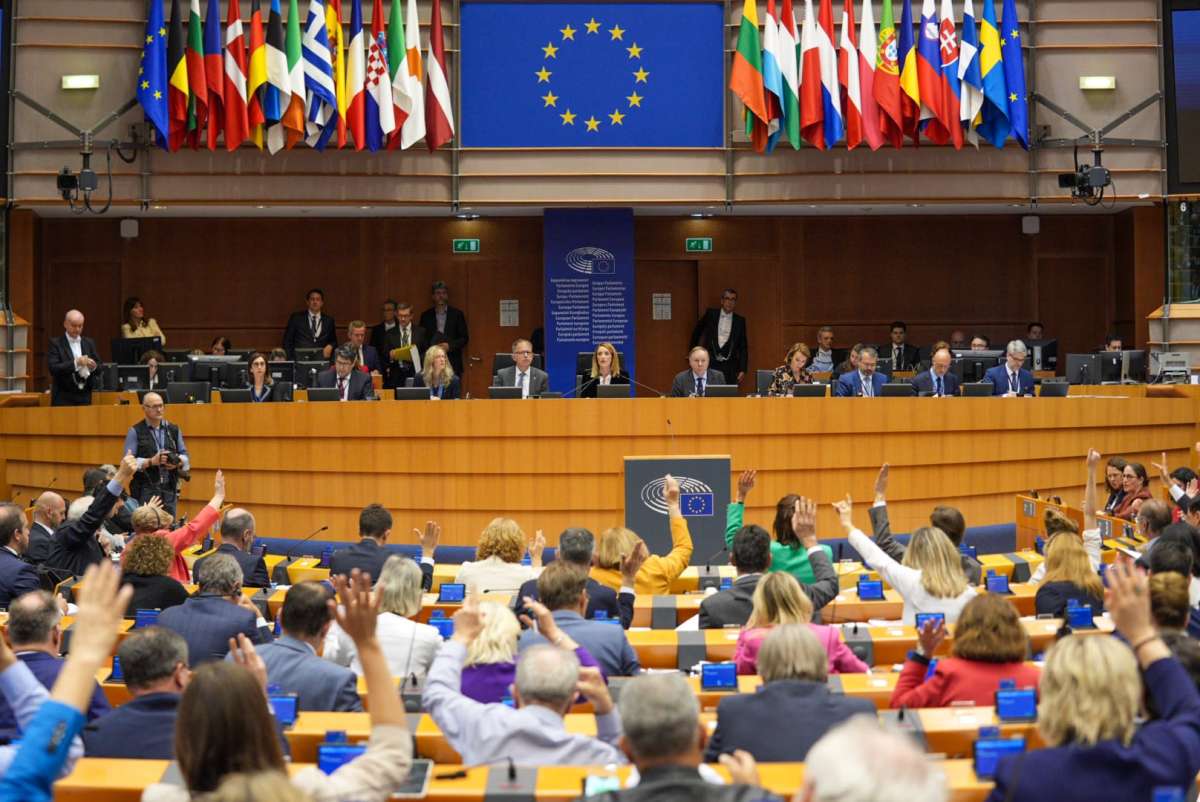
The European Union and 26 countries have raised support for Taiwan’s participation during the 77th Edition of the World Health Assembly (WHA) in Geneva after China exerted pressure to prevent Taiwan from being invited to the conference in previous years, reported Taiwan News.

In past years, China pressurised to prevent Taiwan from being invited to the annual World Health Organization (WHO) conference in Switzerland.

However, since the COVID-19 pandemic, the number of countries saying the group’s “Health For All” slogan should also apply to Taiwan has been growing.

During the May 27-June 1 event, EU Representative Marc Pecsteen de Buytswerve said the WHO needed to promote international negotiation and cooperation, leaving nobody and no area behind, Taiwan News reported.

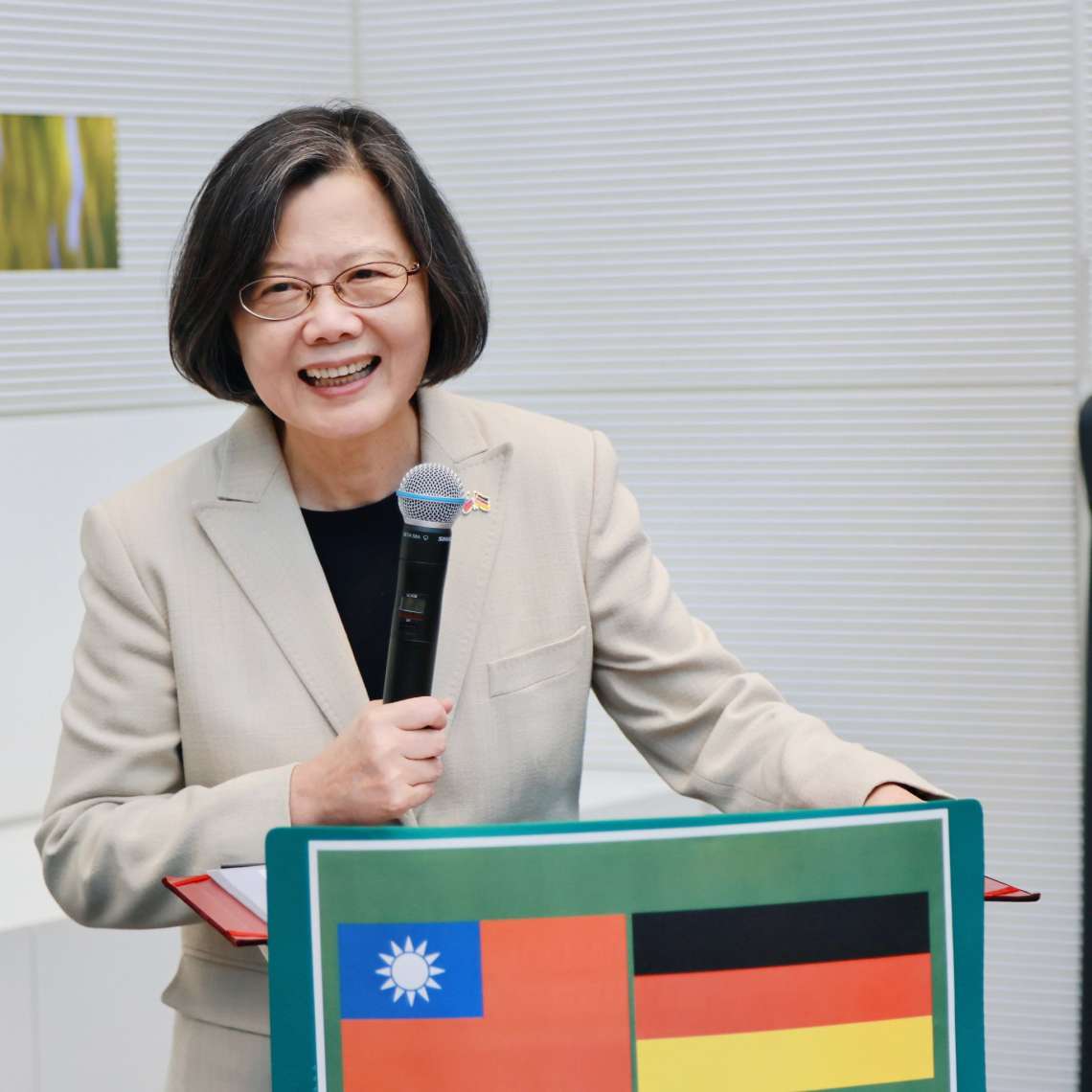
Germany’s federal health minister, Karl Lauterbach, said the health organization should reduce its bureaucracy and use Taiwan’s professional expertise.

Moreover, compared to last year, five more regions and countries have joined those, who are raising their voice in support of Taiwan.

The newcomers included, the EU, the Netherlands, Latvia, New Zealand, and Israel, reported Taiwan News citing a report.

Health ministers and government representatives from the United States, Canada, Japan, Australia, the United Kingdom, the Czech Republic, and Luxembourg also defended the case for Taiwan’s attendance.

The 26 countries and regions included 10 of Taiwan’s 11 diplomatic allies.

Taipei has not been invited, however, Health and Welfare Minister Chiu Tai-yuan visited Geneva for bilateral meetings with other delegations and for news conferences and exhibitions to support Taiwan’s case.

Tensions between Taiwan and China have been rising in the past few months. Last week, China launched two-day-long military drills on May 23, surrounding Taiwan in what it called “punishment” for so-called “separatist acts.

However, as tensions continue to escalate in the region, Taiwan remains steadfast in its commitment to safeguarding its sovereignty and territorial integrity against potential threats, utilising a combination of strategic foresight and robust defence capabilities, Focus Taiwan reported. (ANI)

EU states agree ‘prohibitive’ tariffs on Russia grain imports

EU states agreed on Thursday to impose “prohibitive” duties on grain imports from Russia in a bid to cut off revenues to Moscow for its war on Ukraine.

The European Union has hit Russia with multiple rounds of sanctions to inflict damage on Russia’s war chest following its all-out invasion of Ukraine in 2022.

The latest measure will “tackle illegal Russian exports of stolen Ukraine grain into EU markets,” the EU’s trade commissioner, Valdis Dombrovskis, said on social media.

The tariffs will also be applied to products from Belarus, which served as a staging ground for Russia’s attack on Ukraine.

But the tariffs will not apply to Russian grain transiting through the EU to countries outside the bloc, to ensure that food supplies for elsewhere, notably Africa and Asia, are not impacted. Russian fertilizer supplies were not targeted.

The European Commission proposed the measure in March. Under World Trade Organization rules, virtually all Russian grain has until now been exempt from EU import duties.

From July 1, the EU will increase “duties on cereals, oilseeds and derived products from Russia and Belarus to a point that will in practice halt imports of these products,” the council representing the EU’s 27 member states said.

The EU set this at a level of either around 90 euros (around $97) per ton for most cereals, or 50 percent of the value for other products.

“These measures will therefore prevent the destabilization of the EU’s grain market (and) halt Russian exports of illegally appropriated grain produced in the territories of Ukraine,” said Vincent Van Peteghem, Belgian minister for finance.

“This is yet another way in which the EU is showing steady support to Ukraine,” he added.

Russian agricultural imports into the EU burgeoned in 2023.

Last year, Russia exported 4.2 million tons of cereals and related agricultural products to the EU worth 1.3 billion euros.

And Russian grain exports to the EU rose from 960,000 tons in 2022 to 1.5 million tons last year after a surge in Russian production.

Despite the figures, it comprises only a very small share of the EU’s supply of such products, around one percent of the European market.

In stark contrast, domestic suppliers provide 300 million tons annually.

The EU has approached punitive action against Russia’s agricultural or fertilizer sector with great caution, fearing any moves that could hurt the global cereal market as well as food security in Africa and Asia.

But Ukrainian President Volodymyr Zelensky complained to EU leaders earlier this year, arguing it was unfair Russian grain maintained unrestricted access to their markets while Ukrainian imports faced limits.

Russia at the time warned against the tariffs. “Consumers in Europe would definitely suffer,” Kremlin spokesman Dmitry Peskov said in March.
ALSO READ-US lawmakers visit Taiwan in signal to China

Previous Story

Belarus suspends participation in arms treaty  

Next Story

Iran-Syria Unity Urged to Defy Western Pressure

Previous Story

Belarus suspends participation in arms treaty  

Next Story

Iran-Syria Unity Urged to Defy Western Pressure

Latest from -Top News

Pakistan Risks Overstretching Itself in Yemen War

Pakistan’s expanding military role in Saudi Arabia amid the Yemen conflict could strain its defence resources and fragile finances…reports Asian Lite News Desk Pakistan’s military involvement in the war in Yemen may prove unsustainable because of mounting financial pressures and competing security demands, according to a new report. Islamabad’s growing military presence in Saudi Arabia risks stretching its defence resources while exposing the country to greater strategic and economic challenges. An article by Andrew Wilson in One World Outlook describes Pakistan’s involvement as a case of “fiscal and strategic overreach”, arguing that the country lacks the financial flexibility to sustain an expanded military commitment. Pakistan’s external finances depend heavily on an International Monetary Fund (IMF) programme, financial support from Gulf countries and remittances from Pakistani workers in the region. The report argues that deeper military involvement in the conflict could place additional pressure on these sources of financial stability. It also warns that deploying troops and military equipment abroad could weaken Pakistan’s capacity to address security challenges along its eastern border and deal with two domestic insurgencies. The move could also draw Islamabad into a conflict it has sought to approach cautiously. A Reuters report in May, citing Pakistani security and government sources, said Islamabad had deployed around 8,000 troops, a squadron of approximately 16 aircraft, mostly JF-17 fighter jets, two drone squadrons and a Chinese HQ-9 air-defence battery to Saudi Arabia. According to those sources, Riyadh was financing the deployment, with Pakistani personnel operating the equipment. The sources also said a confidential agreement contemplated the possibility of deploying up to 80,000 troops. Islamabad has not confirmed those figures, although it has acknowledged its military presence in Saudi Arabia, including the deployment of fighter jets at King Abdulaziz Air Base from April. The One World Outlook article argues that Saudi financial support can cover allowances and operating expenses but cannot easily replace military equipment needed elsewhere or resolve the political and strategic challenges of participating in the Yemen conflict. Pakistan’s defence budget is another concern. For the 2026-27 financial year, the federal government allocated PKR 3 trillion, or approximately $10.8 billion, to defence services. The allocation represents an 18 per cent increase from the original PKR 2.55 trillion provision and amounts to around 2.1 per cent of projected gross domestic product (GDP). Defence spending accounts for approximately 16 per cent of the federal government’s PKR 18.8 trillion expenditure. Military pensions are budgeted separately at PKR 822 billion, while debt servicing costs stand at approximately PKR 8 trillion, more than two-and-a-half times the defence allocation. The report argues that these competing financial obligations leave little room for additional military expenditure without placing further pressure on public finances. Pakistan’s reliance on IMF assistance also limits its fiscal flexibility. The country must meet the conditions attached to the programme, including a primary budget surplus target of 2 per cent of GDP and continued restraint on development spending. According to the article, these requirements make it difficult for Islamabad to finance an additional military commitment without compromising other budgetary priorities. Pakistan’s economic indicators offer limited reassurance. Economic growth for the 2025-26 financial year is estimated at between 3.6 and 3.7 per cent, while inflation reached approximately 10.3 per cent in September following an energy price shock. Foreign exchange reserves stood at around $21.5 billion at the end of September. Although this marks an improvement from the low levels recorded in 2023, the report notes that the reserves cover only a few months of imports. Financial assistance from Gulf partners remains central to Pakistan’s external stability. The article says Islamabad holds approximately $8 billion in Saudi deposits at its central bank. In July, the State Bank of Pakistan said Riyadh had extended the maturity of $5 billion in deposits to December 2028, easing the country’s immediate external financing requirements. A further $3 billion deposit was also extended in the spring. However, the article argues that these arrangements provide temporary relief rather than long-term financial independence, particularly as regional conflict threatens the stability of the Gulf economies on which Pakistan relies. The report concludes that Pakistan faces a difficult balance between supporting Saudi Arabia militarily and preserving the financial and military resources needed to address its domestic and regional challenges.

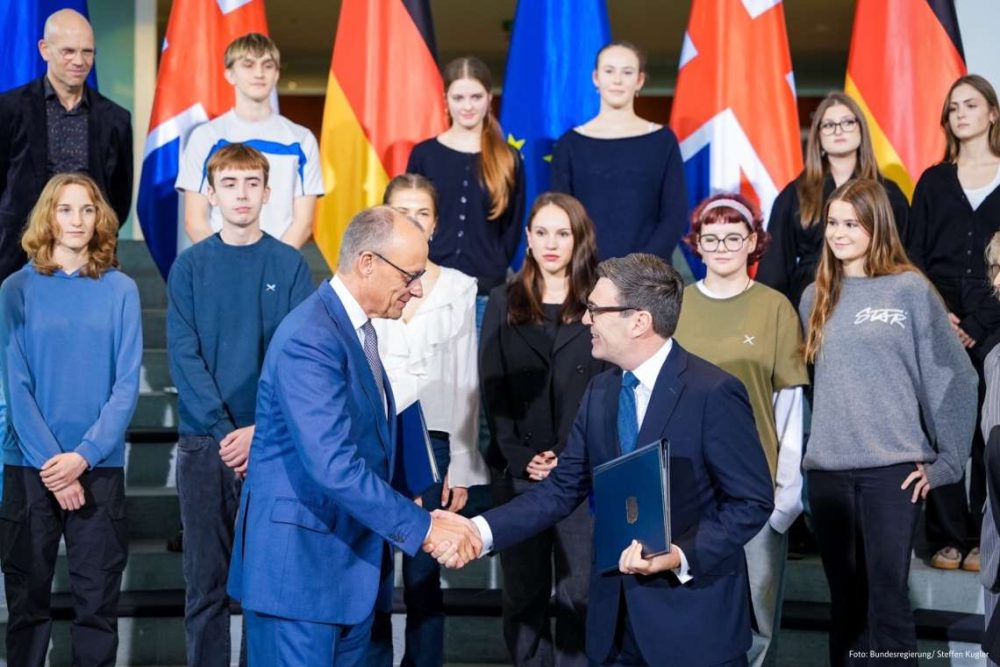
UK and Germany Ratify Kensington Treaty

Britain and Germany ratify the Kensington Treaty, agreeing new cooperation on AI, quantum research, defence and security while targeting investment, jobs and Russian hybrid threats…reports Asian Lite News Desk Britain and Germany

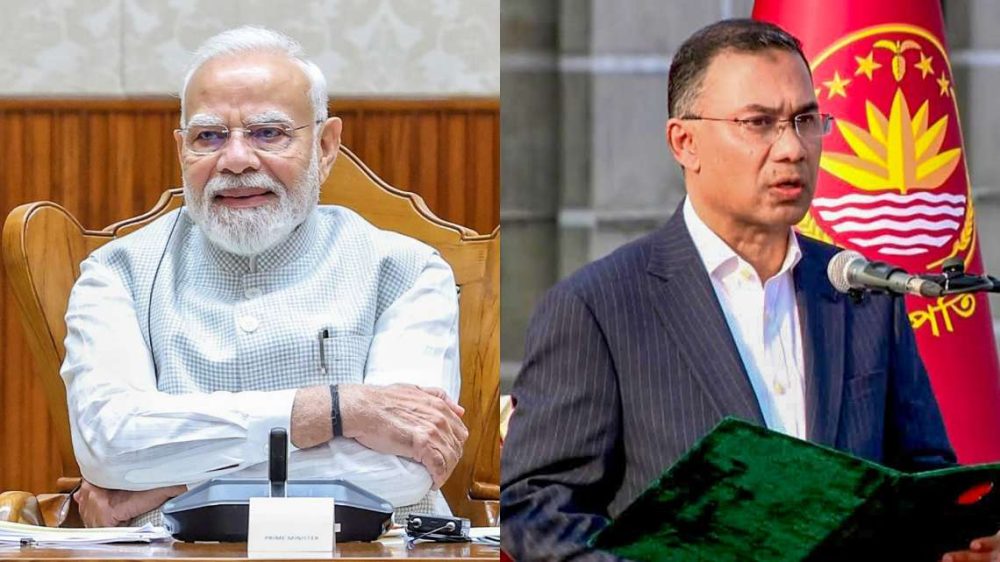
Economic tide is turning in Bangladesh

If there is one thing that can bring some comfort to the struggling Bangladeshi economy, it is good relations with India. Bangladesh should remember that Delhi’s backing, through easy supplies of essentials

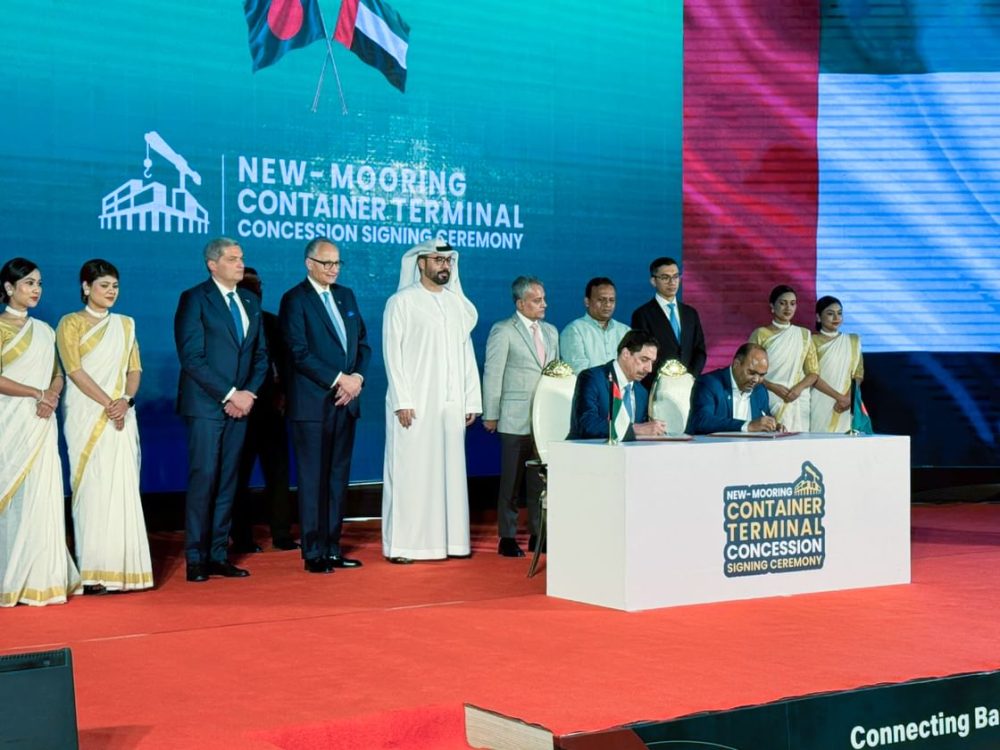
DP World Lands 15-Year Bangladesh Port Deal

The agreement between the Chittagong Port Authority (CPA) and DP World covers the New Mooring Container Terminal…reports Asian Lite News Desk Bangladesh has signed a 15-year concession agreement with global ports operator
Go toTop

Don't Miss

Iran slams EU’s ‘double-standard behaviour’

Iranian Foreign Minister made the remarks in a phone conversation

Highest-ever EU trade deficit recorded in 2022

The lowest share of intra-EU exports was reported in Cyprus