May 17, 2024
4 mins read

US slams China for ties with Russia

Vedant Patel says China cannot have stronger ties with Europe and other countries while supporting Russia in its ongoing war against Ukraine…reports Asian Lite News

The United States said on Thursday that China cannot have stronger ties with Europe and other countries while supporting Russia in its ongoing war against Ukraine.

“The People’s Republic of China can’t have its cake and eat it too. You cannot have it both ways. You want to have good, further stronger, deeper relationships with Europe and other countries. While simultaneously continuing to fuel the biggest threat to European security in a long time. It’s important of this is not just the US position, it is one that is shared by our partners in the G7, our partners at NATO and our partners in the EU,” State Department Principal Deputy Spokesperson Vedant Patel said at a daily press briefing.

“Fuelling Russia’s defence base as the PRC has not only threatened Ukrainian security, it threatens European security. And Beijing can’t achieve better relations with Europe will also continuing to support something like this,” he added.

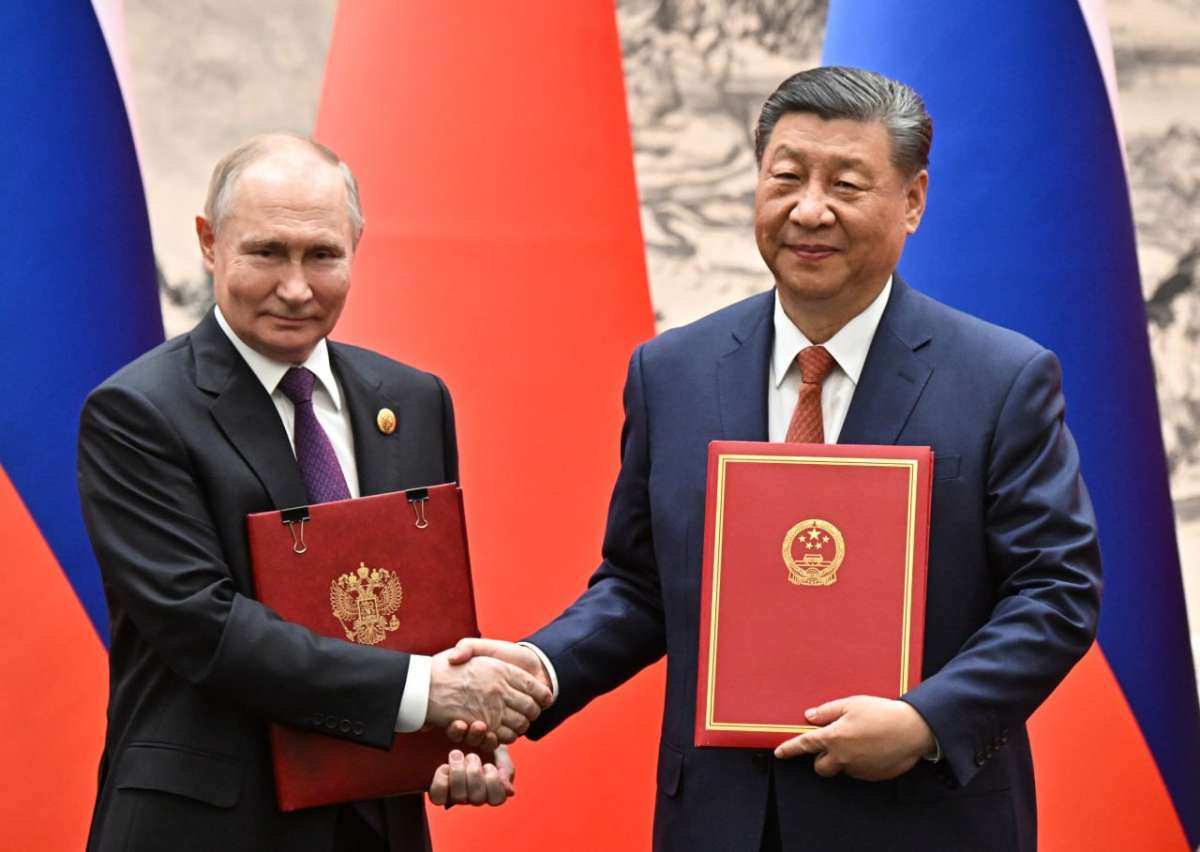
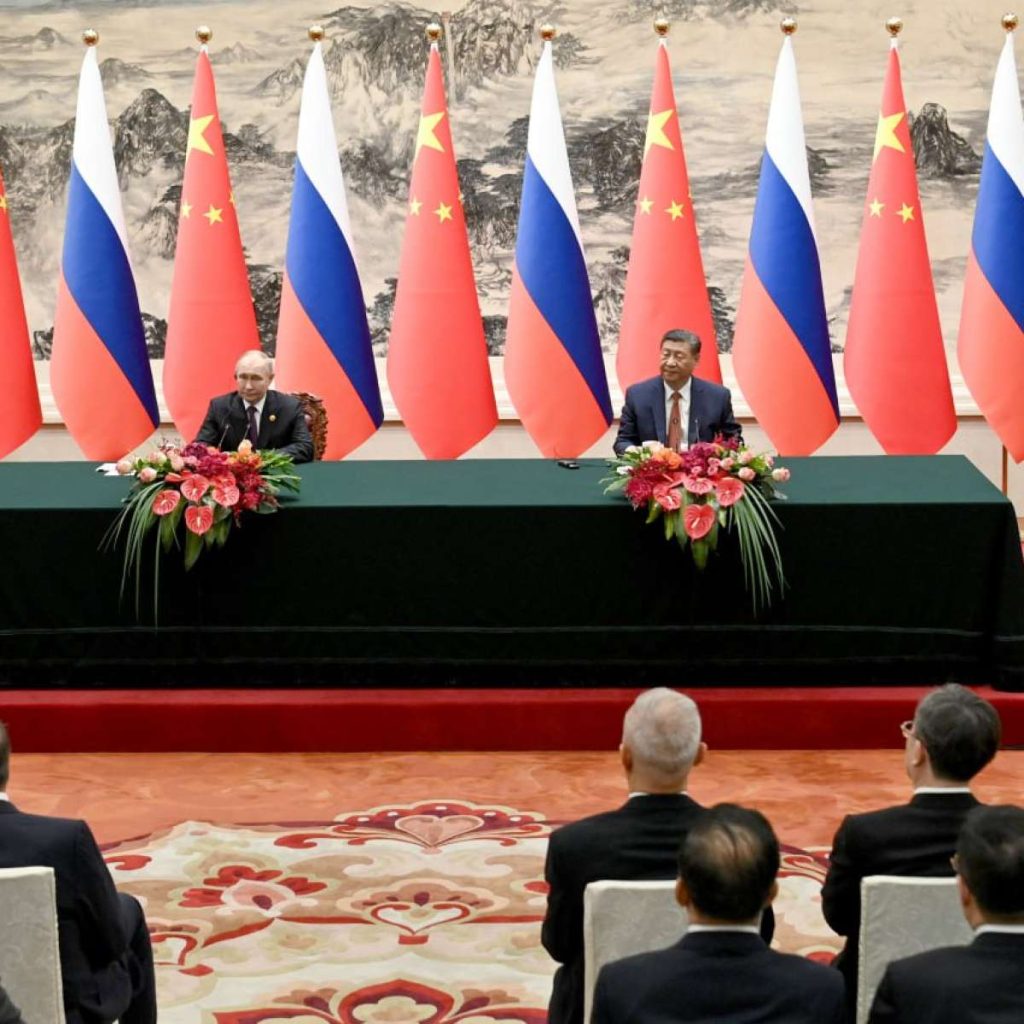
This comes as Russian President Vladimir Putin’s arrives in Beijing for a state visit, China’s President Xi Jinping expressed readiness to work with the Russian leader to jointly steer the future direction of bilateral relations between the two countries, reported Xinhua.

During large-group talks at the Great Hall of the People in Beijing, China’s President said that the two sides should take the 75th anniversary of diplomatic ties as a new starting point, further synergize development strategies, and continue to enrich bilateral cooperation, to bring greater benefits to the two countries and peoples.

Xi expressed his readiness to make new plans for cooperation between the two countries in various fields. China’s leader, Xi, noted that this year marks the 75th anniversary of the founding of China and said that the country is advancing Chinese modernization on all fronts and moving faster to foster new productive forces through high-quality development, which will add new drivers to global economic growth.

He further stressed that both China and Russia are permanent members of the United Nations Security Council and major emerging markets.

On May 10, Chinese President Xi Jinping concluded a five-day tour of Europe, after visiting France, Serbia and Hungary, where he touted Beijing’s vision of a multipolar world and held talks on trade, investments and Russia’s war in Ukraine.

In France, President Emmanuel Macron feted Xi with gifts of luxury bottles of cognac and a trip to a childhood haunt in the Pyrenees mountains, while in Serbia, President Aleksandar Vucic organised a grand welcome, gathering a crowd of tens of thousands of people, who chanted “China, China” and waved Chinese flags in front of the Serbian presidential palace.

Xi’s main aim with the visit, analysts say, was pushing for a world where the United States is less dominant, and controlling damage to China’s ties with the European Union as trade tensions grow amid a threat of European tariffs and a probe into Chinese subsidies for electric vehicles that officials say are hurting local industries, Al Jazeera reported.
‘Russians, Chinese are brothers forever’

Meanwhile, on the closing day of his two-day China visit, Russian President Vladimir Putin spoke highly of the people-to-people ties between the two countries, saying that the Russians and the Chinese are “brothers forever.”

Weighing in on the relations between Moscow and Beijing, the Russian President compared it to a song from the 1940s.

Speaking ahead of a concert dedicated to the 75th anniversary of the establishment of diplomatic relations between the two countries and the start of the Cross-Cultural Years, Putin expressed confidence in the continuation of cordial ties between the two countries.

“The event is dedicated to the 75th anniversary of the establishment of diplomatic relations. There is a famous song from that time, it was created 75 years ago, but is often sung today: there is a quite famous line in it: ‘Russian and Chinese are brothers forever,” Putin said.

He further expressed confidence in boosting the fraternal, spirit of the Russia-China partnership, according to TASS.

“I am sure that we will continue to strengthen the fraternal spirit of the harmonious Russian-Chinese partnership,” the Russian President said.

The audience, whom the Russian President addressed in Russian before a Chinese translation followed, applauded Putin’s speech on both occasions.

On Friday, Putin arrived in Harbin, the second city the Russian President was scheduled to be in on his State visit to China, reported TASS.

The Russian President opened the 8th Russian-Chinese Expo and the 4th Russia-China Forum on Interregional Cooperation in Harbin. The visit followed an extremely busy day in Beijing where Putin held several rounds of talks with Chinese President Xi Jinping, the state news agency reported.

The two leaders discussed Russian-Chinese relations and the pressing international issues, according to TASS.

The Russian President is also expected to visit the capital of China’s northeastern Heilongjiang province, where he will attend trade and cooperation forums.

The region, historically plagued by border tensions between China and Russia, has seen increased connectivity in recent years, fostering closer economic and cultural ties between the two neighbours, according to TASS. (ANI)

ALSO READ: Biden hikes tariffs on imports from China
Previous Story

UAE sending flood aid to Brazil

Next Story

US bars imports from 26 Chinese textile firms

Previous Story

UAE sending flood aid to Brazil

Next Story

US bars imports from 26 Chinese textile firms

Latest from -Top News

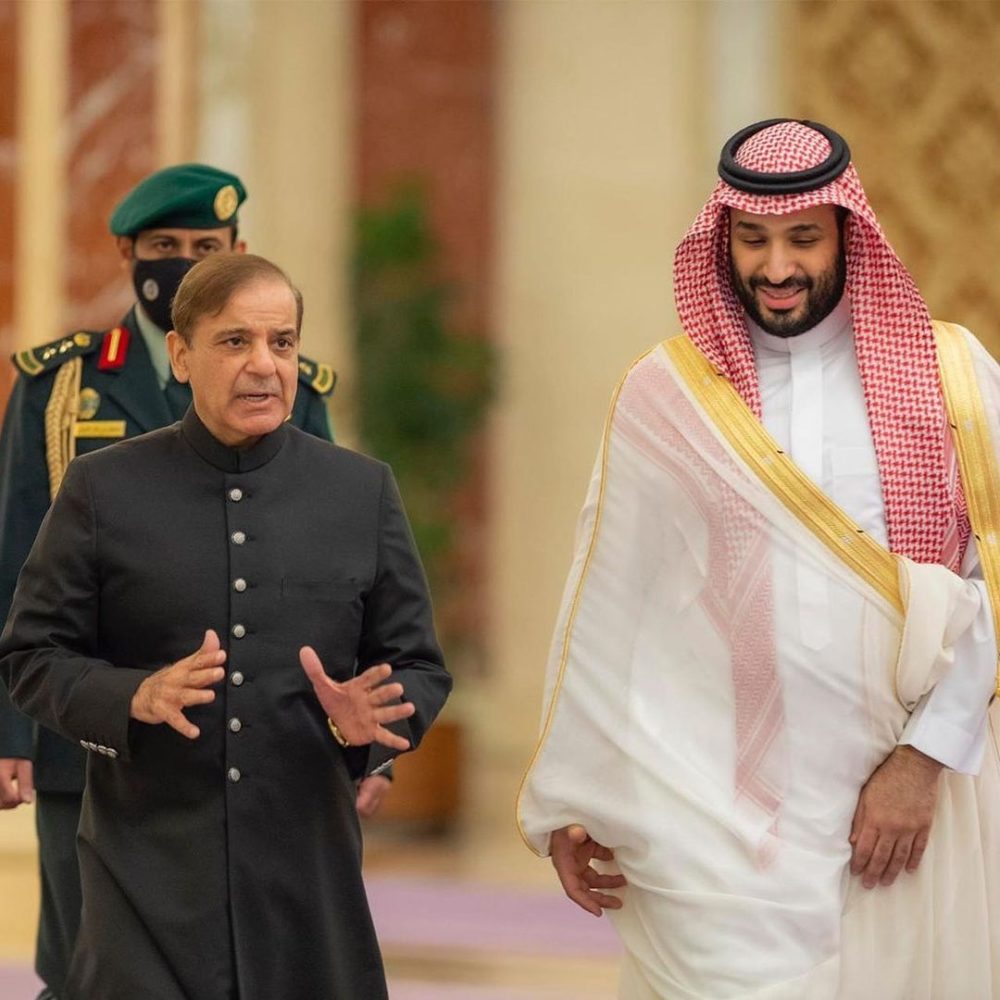
Pakistan Risks Overstretching Itself in Yemen War

Pakistan’s expanding military role in Saudi Arabia amid the Yemen conflict could strain its defence resources and fragile finances…reports Asian Lite News Desk Pakistan’s military involvement in the war in Yemen may prove unsustainable because of mounting financial pressures and competing security demands, according to a new report. Islamabad’s growing military presence in Saudi Arabia risks stretching its defence resources while exposing the country to greater strategic and economic challenges. An article by Andrew Wilson in One World Outlook describes Pakistan’s involvement as a case of “fiscal and strategic overreach”, arguing that the country lacks the financial flexibility to sustain an expanded military commitment. Pakistan’s external finances depend heavily on an International Monetary Fund (IMF) programme, financial support from Gulf countries and remittances from Pakistani workers in the region. The report argues that deeper military involvement in the conflict could place additional pressure on these sources of financial stability. It also warns that deploying troops and military equipment abroad could weaken Pakistan’s capacity to address security challenges along its eastern border and deal with two domestic insurgencies. The move could also draw Islamabad into a conflict it has sought to approach cautiously. A Reuters report in May, citing Pakistani security and government sources, said Islamabad had deployed around 8,000 troops, a squadron of approximately 16 aircraft, mostly JF-17 fighter jets, two drone squadrons and a Chinese HQ-9 air-defence battery to Saudi Arabia. According to those sources, Riyadh was financing the deployment, with Pakistani personnel operating the equipment. The sources also said a confidential agreement contemplated the possibility of deploying up to 80,000 troops. Islamabad has not confirmed those figures, although it has acknowledged its military presence in Saudi Arabia, including the deployment of fighter jets at King Abdulaziz Air Base from April. The One World Outlook article argues that Saudi financial support can cover allowances and operating expenses but cannot easily replace military equipment needed elsewhere or resolve the political and strategic challenges of participating in the Yemen conflict. Pakistan’s defence budget is another concern. For the 2026-27 financial year, the federal government allocated PKR 3 trillion, or approximately $10.8 billion, to defence services. The allocation represents an 18 per cent increase from the original PKR 2.55 trillion provision and amounts to around 2.1 per cent of projected gross domestic product (GDP). Defence spending accounts for approximately 16 per cent of the federal government’s PKR 18.8 trillion expenditure. Military pensions are budgeted separately at PKR 822 billion, while debt servicing costs stand at approximately PKR 8 trillion, more than two-and-a-half times the defence allocation. The report argues that these competing financial obligations leave little room for additional military expenditure without placing further pressure on public finances. Pakistan’s reliance on IMF assistance also limits its fiscal flexibility. The country must meet the conditions attached to the programme, including a primary budget surplus target of 2 per cent of GDP and continued restraint on development spending. According to the article, these requirements make it difficult for Islamabad to finance an additional military commitment without compromising other budgetary priorities. Pakistan’s economic indicators offer limited reassurance. Economic growth for the 2025-26 financial year is estimated at between 3.6 and 3.7 per cent, while inflation reached approximately 10.3 per cent in September following an energy price shock. Foreign exchange reserves stood at around $21.5 billion at the end of September. Although this marks an improvement from the low levels recorded in 2023, the report notes that the reserves cover only a few months of imports. Financial assistance from Gulf partners remains central to Pakistan’s external stability. The article says Islamabad holds approximately $8 billion in Saudi deposits at its central bank. In July, the State Bank of Pakistan said Riyadh had extended the maturity of $5 billion in deposits to December 2028, easing the country’s immediate external financing requirements. A further $3 billion deposit was also extended in the spring. However, the article argues that these arrangements provide temporary relief rather than long-term financial independence, particularly as regional conflict threatens the stability of the Gulf economies on which Pakistan relies. The report concludes that Pakistan faces a difficult balance between supporting Saudi Arabia militarily and preserving the financial and military resources needed to address its domestic and regional challenges.

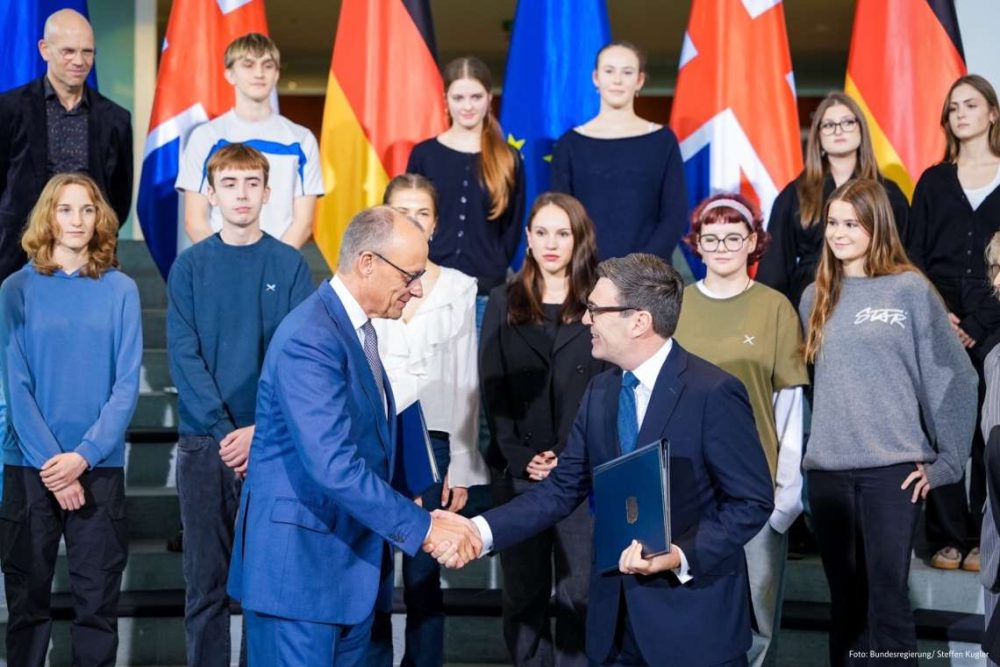
UK and Germany Ratify Kensington Treaty

Britain and Germany ratify the Kensington Treaty, agreeing new cooperation on AI, quantum research, defence and security while targeting investment, jobs and Russian hybrid threats…reports Asian Lite News Desk Britain and Germany

Economic tide is turning in Bangladesh

If there is one thing that can bring some comfort to the struggling Bangladeshi economy, it is good relations with India. Bangladesh should remember that Delhi’s backing, through easy supplies of essentials
Go toTop

Don't Miss

Trump’s letter to Iran on nuke talks delivered by UAE envoy 

While details of the letter remain undisclosed, reports suggest it

US general calls Chinese activity across Ladakh

China has been establishing other infrastructure such as roads and