November 28, 2024
4 mins read

Al Fayed may have raped, abused over 111 women  

Scale of the criminality would make Fayed, who died last year at the age of 94, one of Britain’s most notorious sex offenders…reports Asian Lite News

Police believe Mohamed Al Fayed may have raped and abused more than 111 women over nearly four decades, with his youngest victim said to have been just 13 years old. 

The scale of the criminality would make Fayed, who died last year at the age of 94, one of Britain’s most notorious sex offenders, and raises urgent questions about how he got away with his crimes. 

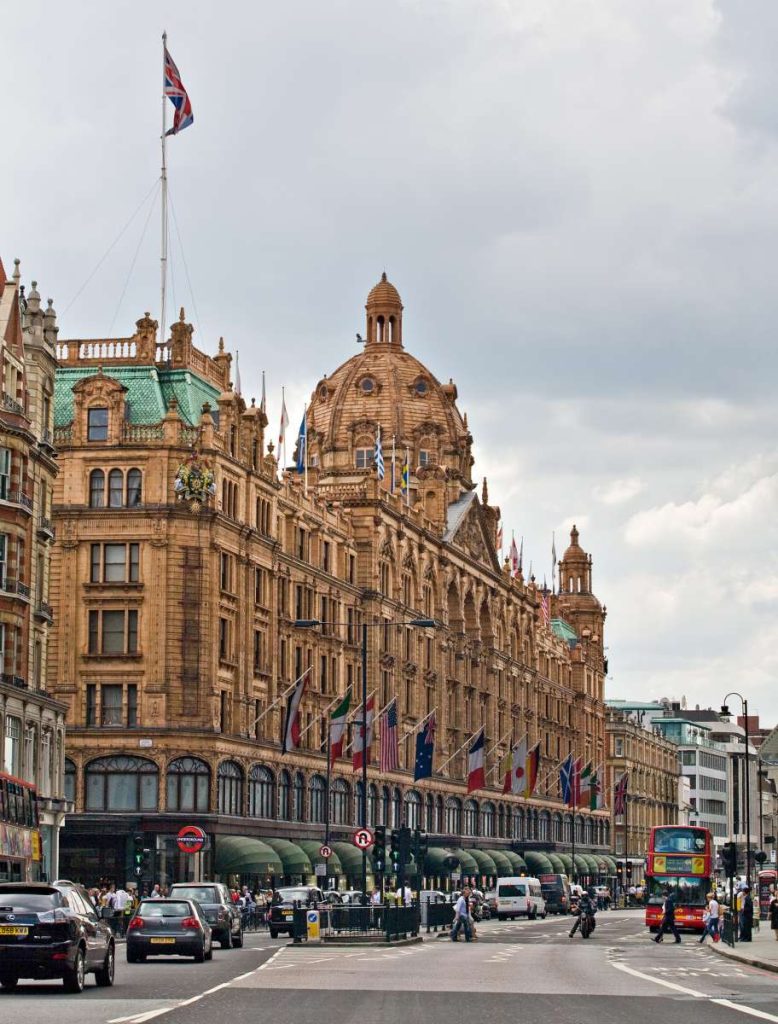
Five unnamed individuals suspected of facilitating Fayed, the former owner of the luxury Knightsbridge store Harrods, are being investigated as potential “facilitators”, Scotland Yard said. 

A huge review is also being undertaken into whether opportunities were missed in past police investigations and whether there are grounds to pursue past or current officers over historical corruption claims. 

Last month, it was reported that corrupt police officers had helped Fayed in persecuting members of his staff, including a young woman who allegedly rebuffed the Harrods owner’s sexual advances. 

The 111 alleged cases of abuse involving Fayed include 21 alleged victims who reported crimes to the police between 2005 and his death, and 90 women who have come forward since the BBC aired a documentary on Fayed in September. 
It is understood that as soon as next week, the Met will find out if it faces an independent investigation into whether it bungled the claims of sexual violence against the Harrods boss. The police watchdog, the Independent Office for Police Conduct, is considering whether its own investigators should investigate Britain’s biggest force. 

A Met spokesperson said: “Following complaints from two women about the quality of investigations conducted in 2008, the Met has voluntarily referred these cases to the Independent Office for Police Conduct. 

“While these cases date back over a decade and we cannot change what happened in the past, we are committed to understanding, being open about any shortcomings and improving our response to survivors moving forward.” 

Cmdr Stephen Clayman, of the Met’s Specialist Crime Command, said he recognised that trust in the police may have been eroded by its past conduct but called for any other survivors to come forward.  

He said: “I recognise the bravery of every victim-survivor who has come forward to share their experiences, often after years of silence. This investigation is about giving survivors a voice, despite the fact that Mohamed Al Fayed is no longer alive to face prosecution. However, we are now pursuing any individuals suspected to have been complicit in his offending, and we are committed to seeking justice. We are aware that past events may have impacted the public’s trust and confidence in our approach, and we are determined to rebuild that trust by addressing these allegations with integrity and thoroughness. We encourage anyone who has information or was affected by Al Fayed’s actions to reach out to us. Your voice matters, and we are here to listen and to help.” 

The crimes of which Fayed is accused span between 1977 and 2014. The Met said they had already reviewed more than 50,000 pages of evidence, including victim and impact statements, and retrieved “significant amounts of material from these investigations” stored in their archives. 

As part of the inquiry, detectives from the Directorate of Professional Standards are seeking to establish if any serving or former officers at the Met were involved in any misconduct. 

Detectives have been examining a witness statement from a former security director at the Knightsbridge store, Bob Loftus, who had claimed that one ex-Met commander received luxury hampers “whenever he had been a particularly great help to Harrods”. 

Loftus had further claimed that a detective constable, who was accused of regularly taking cash bribes to carry out Fayed’s wishes, was secretly given a mobile phone from Harrods to facilitate his illicit work. 

“It’s amazing what they will do for just a few readies,” John Macnamara, Fayed’s longtime security chief and an ex-detective, was said to have remarked about the police. 

Loftus, 83, who worked for Fayed as the director of security at Harrods between 1987 and 1996, was unable to comment due to ill health, but Eamon Coyle, 70, who was Loftus’s deputy, said he recognised the allegations contained in the statement to be true. 

Coyle said: “I knew that there was a tame policeman. He was under the direct control of Macnamara. He was on tap. He was on the payroll.” 

It is understood that detectives have interviewed a number of potential witnesses as part of the investigation into potential misconduct. 

A Met spokesperson said: “The Metropolitan police is committed to thoroughly reviewing all information relating to historical allegations in the case of Mohamed Al Fayed, which includes our Directorate of Professional Standards assessing any indication of police misconduct. In line with this, we always look to acquire relevant documents, including witness statements, and other materials which we will actively review.” 

ALSO READ: Tibetan Parliament-in-exile calls for UK’s action  

ALSO READ: Starmer welcomes ceasefire deal 

Previous Story

India Shines, Rankings Soar 

Next Story

3 ex-Tory PM’s against assisted dying bill 

Previous Story

India Shines, Rankings Soar 

Next Story

3 ex-Tory PM’s against assisted dying bill 

Latest from -Top News

Pakistan Risks Overstretching Itself in Yemen War

Pakistan’s expanding military role in Saudi Arabia amid the Yemen conflict could strain its defence resources and fragile finances…reports Asian Lite News Desk Pakistan’s military involvement in the war in Yemen may prove unsustainable because of mounting financial pressures and competing security demands, according to a new report. Islamabad’s growing military presence in Saudi Arabia risks stretching its defence resources while exposing the country to greater strategic and economic challenges. An article by Andrew Wilson in One World Outlook describes Pakistan’s involvement as a case of “fiscal and strategic overreach”, arguing that the country lacks the financial flexibility to sustain an expanded military commitment. Pakistan’s external finances depend heavily on an International Monetary Fund (IMF) programme, financial support from Gulf countries and remittances from Pakistani workers in the region. The report argues that deeper military involvement in the conflict could place additional pressure on these sources of financial stability. It also warns that deploying troops and military equipment abroad could weaken Pakistan’s capacity to address security challenges along its eastern border and deal with two domestic insurgencies. The move could also draw Islamabad into a conflict it has sought to approach cautiously. A Reuters report in May, citing Pakistani security and government sources, said Islamabad had deployed around 8,000 troops, a squadron of approximately 16 aircraft, mostly JF-17 fighter jets, two drone squadrons and a Chinese HQ-9 air-defence battery to Saudi Arabia. According to those sources, Riyadh was financing the deployment, with Pakistani personnel operating the equipment. The sources also said a confidential agreement contemplated the possibility of deploying up to 80,000 troops. Islamabad has not confirmed those figures, although it has acknowledged its military presence in Saudi Arabia, including the deployment of fighter jets at King Abdulaziz Air Base from April. The One World Outlook article argues that Saudi financial support can cover allowances and operating expenses but cannot easily replace military equipment needed elsewhere or resolve the political and strategic challenges of participating in the Yemen conflict. Pakistan’s defence budget is another concern. For the 2026-27 financial year, the federal government allocated PKR 3 trillion, or approximately $10.8 billion, to defence services. The allocation represents an 18 per cent increase from the original PKR 2.55 trillion provision and amounts to around 2.1 per cent of projected gross domestic product (GDP). Defence spending accounts for approximately 16 per cent of the federal government’s PKR 18.8 trillion expenditure. Military pensions are budgeted separately at PKR 822 billion, while debt servicing costs stand at approximately PKR 8 trillion, more than two-and-a-half times the defence allocation. The report argues that these competing financial obligations leave little room for additional military expenditure without placing further pressure on public finances. Pakistan’s reliance on IMF assistance also limits its fiscal flexibility. The country must meet the conditions attached to the programme, including a primary budget surplus target of 2 per cent of GDP and continued restraint on development spending. According to the article, these requirements make it difficult for Islamabad to finance an additional military commitment without compromising other budgetary priorities. Pakistan’s economic indicators offer limited reassurance. Economic growth for the 2025-26 financial year is estimated at between 3.6 and 3.7 per cent, while inflation reached approximately 10.3 per cent in September following an energy price shock. Foreign exchange reserves stood at around $21.5 billion at the end of September. Although this marks an improvement from the low levels recorded in 2023, the report notes that the reserves cover only a few months of imports. Financial assistance from Gulf partners remains central to Pakistan’s external stability. The article says Islamabad holds approximately $8 billion in Saudi deposits at its central bank. In July, the State Bank of Pakistan said Riyadh had extended the maturity of $5 billion in deposits to December 2028, easing the country’s immediate external financing requirements. A further $3 billion deposit was also extended in the spring. However, the article argues that these arrangements provide temporary relief rather than long-term financial independence, particularly as regional conflict threatens the stability of the Gulf economies on which Pakistan relies. The report concludes that Pakistan faces a difficult balance between supporting Saudi Arabia militarily and preserving the financial and military resources needed to address its domestic and regional challenges.

UK and Germany Ratify Kensington Treaty

Britain and Germany ratify the Kensington Treaty, agreeing new cooperation on AI, quantum research, defence and security while targeting investment, jobs and Russian hybrid threats…reports Asian Lite News Desk Britain and Germany

Economic tide is turning in Bangladesh

If there is one thing that can bring some comfort to the struggling Bangladeshi economy, it is good relations with India. Bangladesh should remember that Delhi’s backing, through easy supplies of essentials
Go toTop

Don't Miss

UKIBC welcomes move to resume FTA talks 

UK Prime Minister, Keir Starmer made the announcement following a

Jaishankar and Lammy discuss advancing bilateral ties 

Jaishankar is on an official visit to the United Kingdom